What to Read After the Interactive Brokers IPO Parent Page? A Chained Reading Path for Broker Listing Terms (2026)
Broker listing terms depend on each other. Read them in order—IPO basics, listing process, post-listing disclosure and risk—to build a complete framework faster.
Answer: Don't look up broker listing terms one by one. Read them along this path—"IPO basics → listing process → post-listing disclosure and risk"—to build the framework first and fill in details later. It's faster and sticks better.
#Why should broker listing terms be read as a chained path?
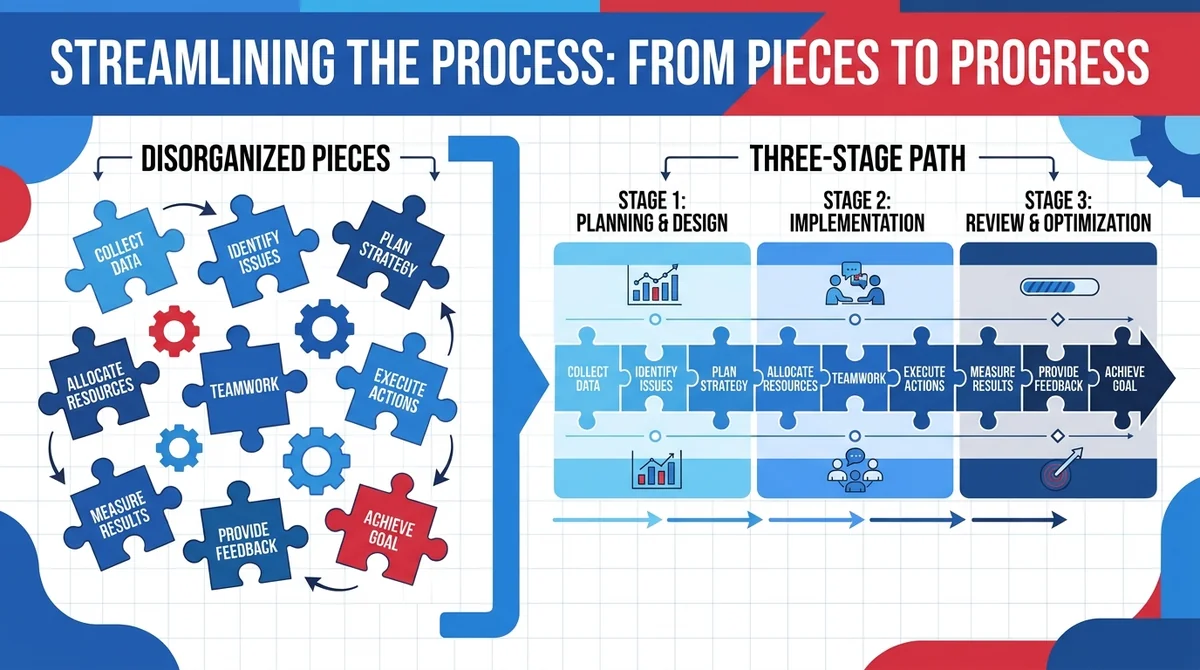
Terms depend on each other. Without understanding an IPO, you can't understand underwriters; without understanding underwriters, you can't understand a broker's own listing. Looking up terms piecemeal is like picking up scattered puzzle pieces—the more you look up, the more confused you get.
A sensible order is: first understand what an IPO is, then look at the broker's role in the process, and finally read about post-listing disclosure and lock-up periods. Reading along the process gives your memory anchor points.
#What does IPO itself mean?
IPO stands for Initial Public Offering, meaning a company issues shares to the public for the first time.
Analogy: a small shop originally funded by just a few partners; an IPO is like opening share subscriptions to the public for the first time, letting ordinary people become minority shareholders.
An IPO is a key step in the listing process, but the two are not entirely the same. Listing is the state in which a company's shares begin trading on a public market; an IPO is the core issuance step toward that state.
#What role does a broker play in an IPO and the listing process?
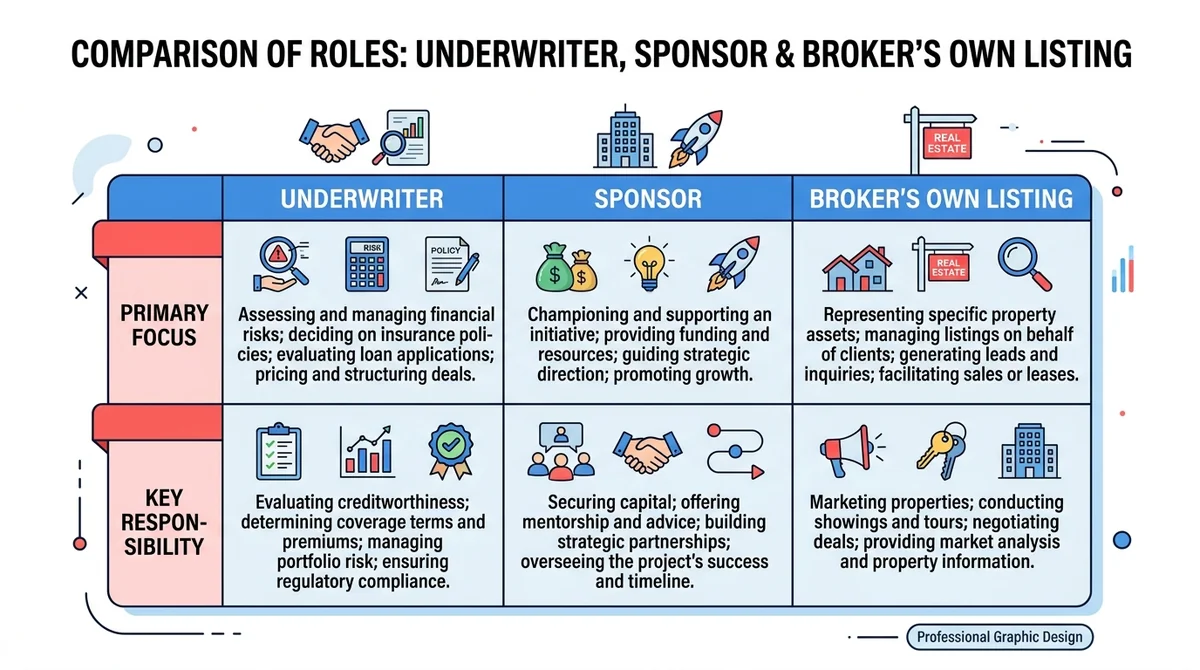
The underwriter handles issuance organization and sales. A sponsor focuses on compliance and recommendation duties. The two are often handled by the same institution, but the responsibilities differ; who takes them on and how work is divided depends on the regulatory rules of the listing venue, and varies widely across markets.
A broker can be both a service provider and the entity being listed. When a broker IPOs itself, it shifts from helping others list to being the company going public.
- Underwriter: organizes issuance, connects with investors
- Sponsor: verifies compliance, issues recommendation opinions
- Broker's own listing: the service provider becomes the listed entity
#What other common terms come up after a company lists?
A prospectus is the core document in the issuance stage, disclosing the company's business, finances, and risks. A lock-up period restricts certain shareholders from selling for a period after listing; the specific duration and who it applies to are set by the listing venue's rules and the offering documents, and this article does not list specific periods. Ongoing disclosure is a basic requirement of public markets for investor transparency.
Read together, these three terms form a complete chain: "explain clearly at issuance, control selling after listing, and keep disclosing publicly over the long term."
#After reading along this path, what risks and boundaries should you keep in mind?
Understanding the terms only builds a cognitive framework; it does not mean you can judge investment value. Listing-related concepts are easily oversimplified and misread—for example, equating an IPO with listing, or treating a lock-up period as a negative signal.
This article is only conceptual education and reading-path planning. It does not constitute any investment advice, nor does it involve security recommendations or market analysis. Content involving securities issuance, trading, and tokenized assets news carries market risk and regulatory uncertainty; readers should verify local regulations themselves.
This article covers concepts only; if you want to learn about related tools, you can consult the product documentation on the main MSX site.
FAQ
In what order should broker listing terms be read?
We recommend reading them in the order "IPO basics → listing process and the broker's role → post-listing disclosure and risk." Terms depend on each other, so building the framework first and filling in details later makes them easier to remember.
Are an IPO and a listing the same thing?
No. An IPO refers to an initial public offering, the step in which a company issues shares to the public for the first time; a listing is the state in which shares begin trading on a public market. An IPO is a key step in the listing process, but the two are not equivalent.
What is the difference between an underwriter and a sponsor?
An underwriter handles issuance organization and sales and connects with investors; a sponsor focuses on compliance verification and recommendation duties. The two are often handled by the same institution but have different responsibilities, and the specific division of work depends on the regulatory rules of the listing venue.
What does lock-up period mean?
A lock-up period means that after a company lists, certain shareholders may not sell their shares for a set period, which reduces the impact of concentrated selling shortly after listing. The specific duration and who it applies to are set by the listing venue's rules and the offering documents; this article does not list specific periods.
Does understanding listing terms mean you can judge investment value?
No. Understanding the terms only builds a cognitive framework; it does not mean you can judge investment value. This article is conceptual education only and does not constitute any investment advice.
Related Terms
Want to see the real data for this concept?
After you sign up, you can view live prices, funding rates, and fees for the related assets.
View live prices and fees →