Crypto Tutorials
Understand the concepts but not sure what to do next? These guides walk through the key steps for spot, perpetual futures, tokenized stocks, and RWA.
Popular Articles
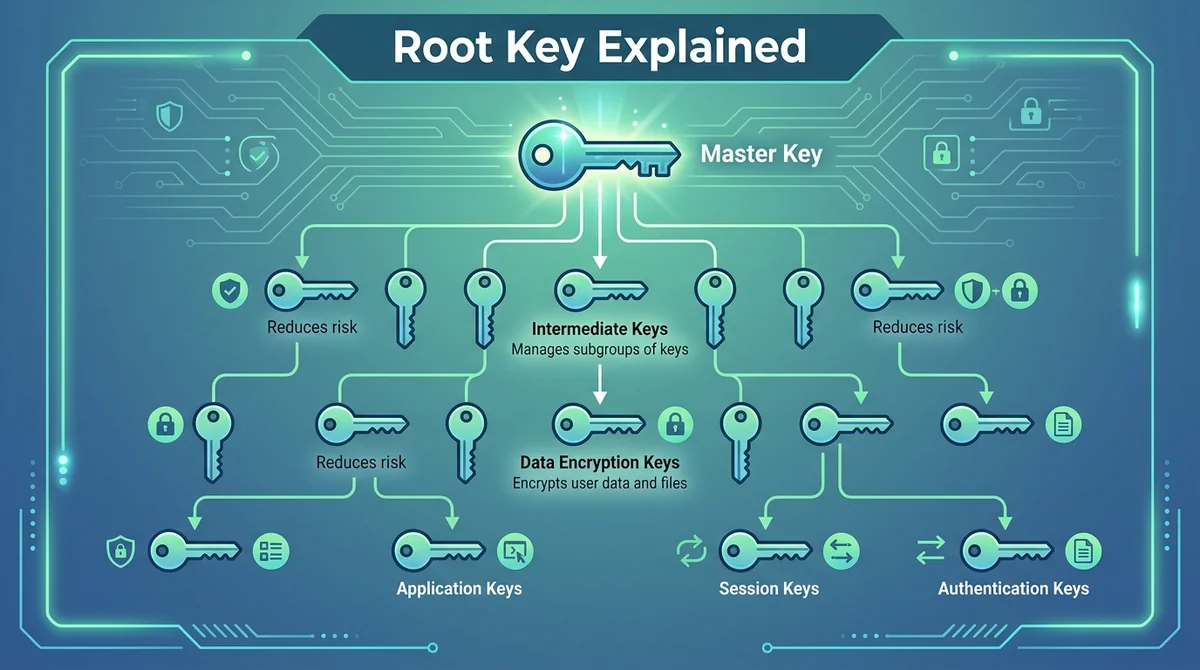
What is a root key in crypto wallets
A root key is the master private key in an HD wallet, generated from your seed phrase. It controls all derived keys. Learn how it works and how to protect it.

RSI超买超卖如何解读?加密货币交易实战指南(2026)
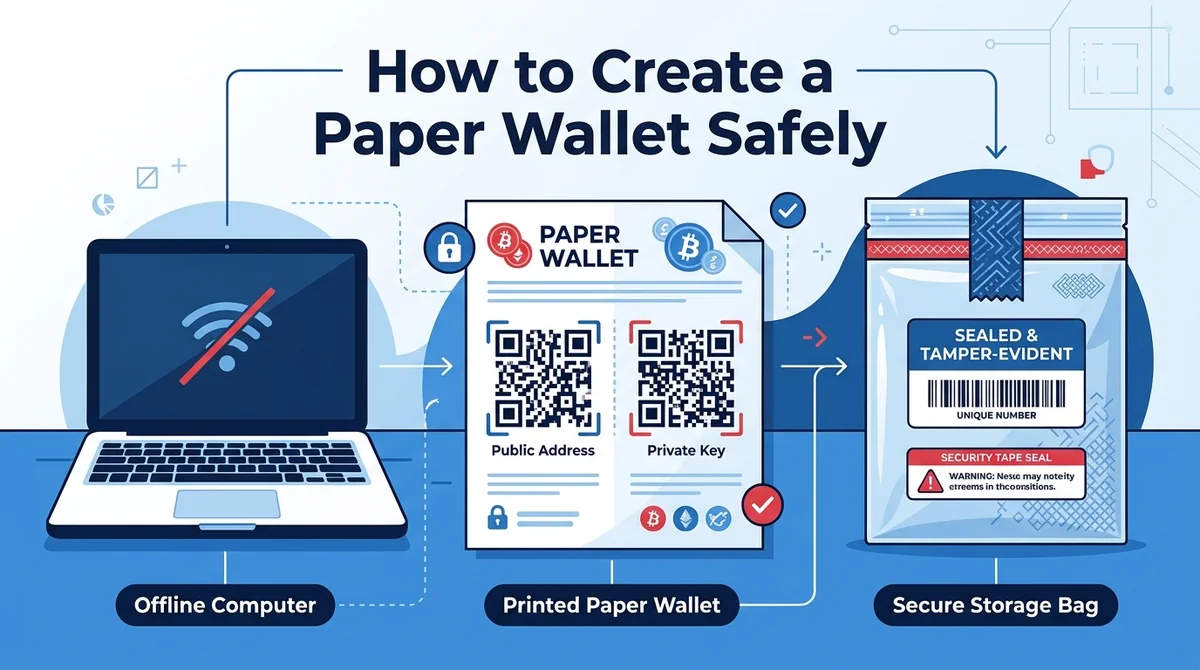
How to Create a Paper Wallet Safely
Learn what a paper wallet is, how to generate keys offline, print and verify them, plus its risks and how it compares to seed phrase backups.
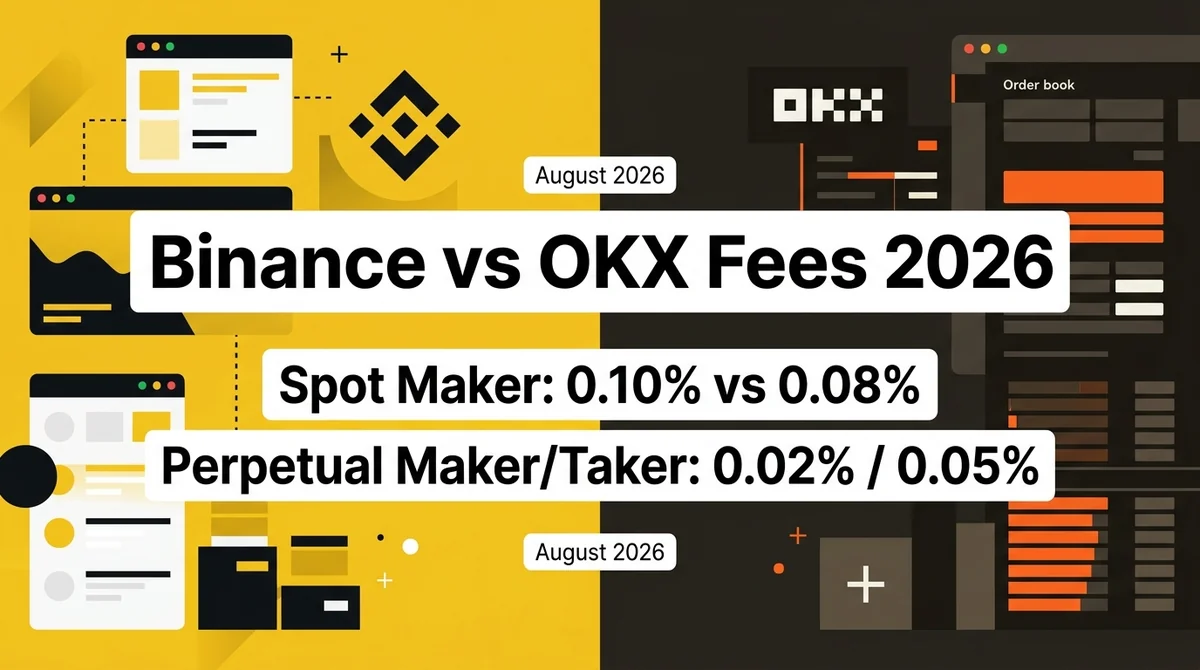
Binance vs OKX Fees: A 2026 Guide to Calculating Spot and Perpetual Trading Costs for Regular Users with Equal Capital
Compare Binance and OKX fees in August 2026. Calculate spot and USDT perpetual costs on 10,000 USDT, including Binance BNB discounts.
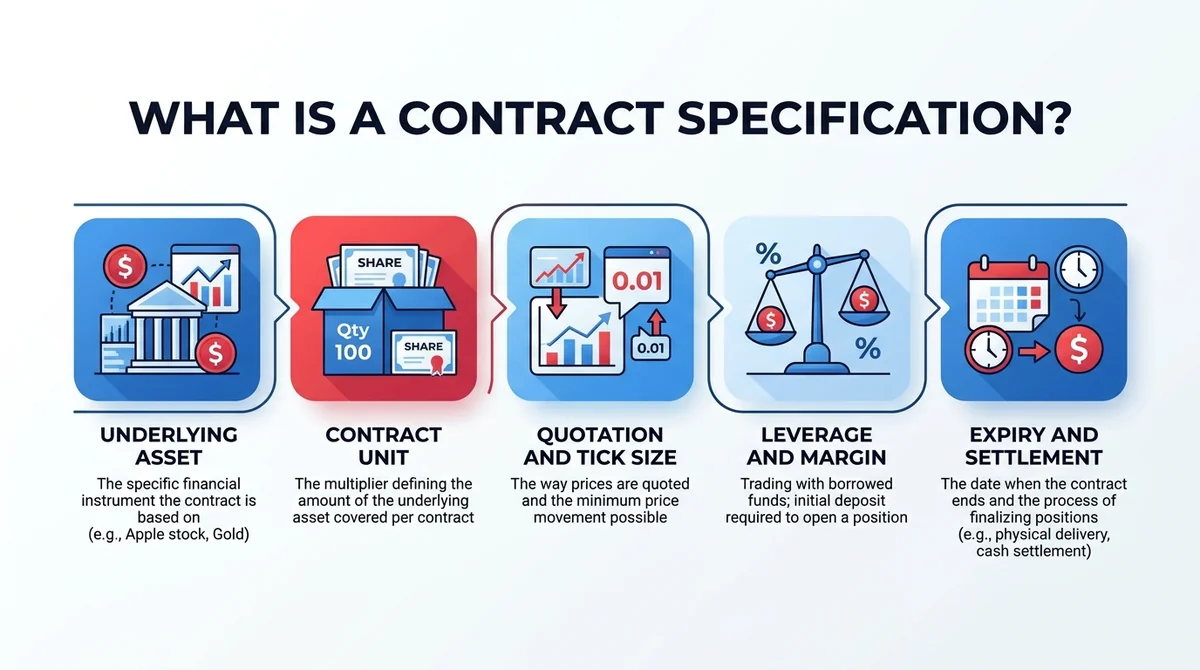
What Does a Contract Specification Include?
A contract specification is a trading platform's standardized definition of a contract, covering the underlying asset, contract size, quotation and tick size, perpetual futures leverage and margin, expiry and settlement.
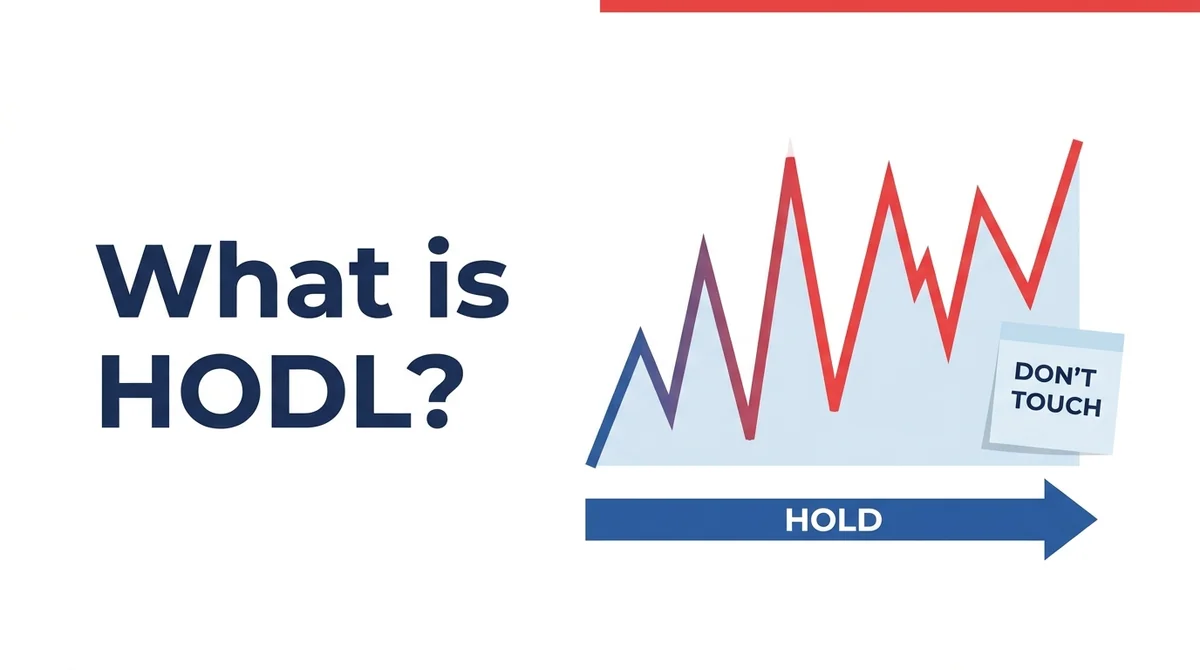
What is HODL
HODL means holding digital assets long term instead of trading on short-term price swings. It comes from a forum typo. Learn its meaning, origin, rationale, risks and beginner steps.
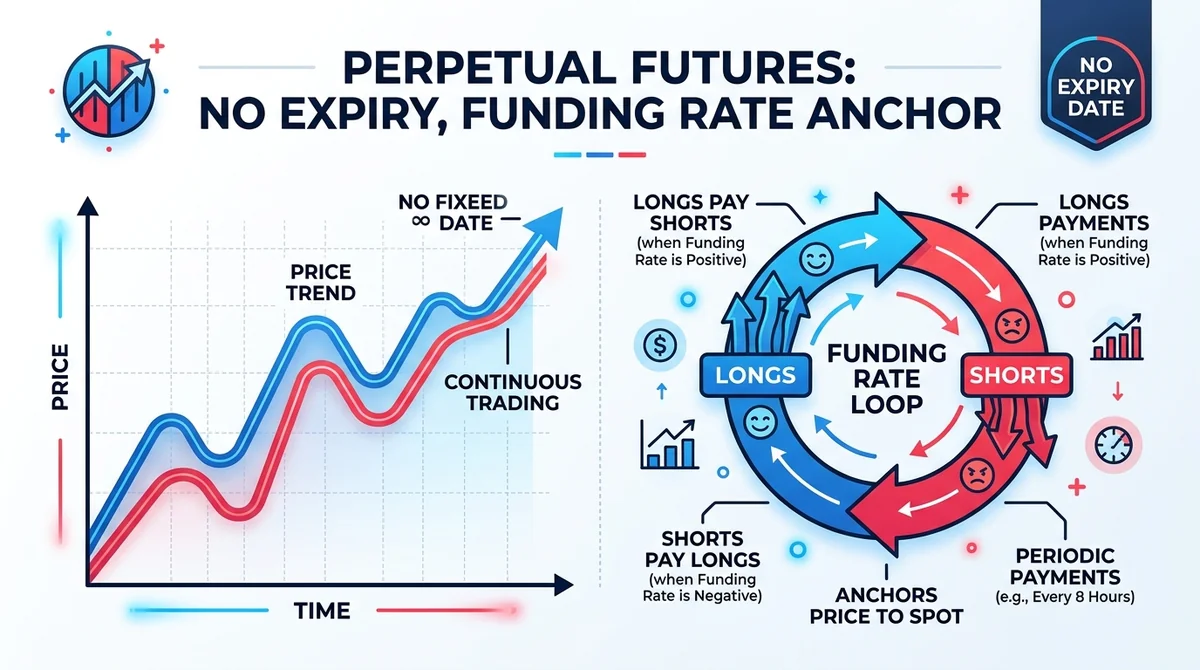
What Are Perpetual Futures?
Perpetual futures are derivatives with no expiry, anchored to spot prices by funding rates. Learn the mechanics, USDT-margined vs inverse contracts, and leverage risks.
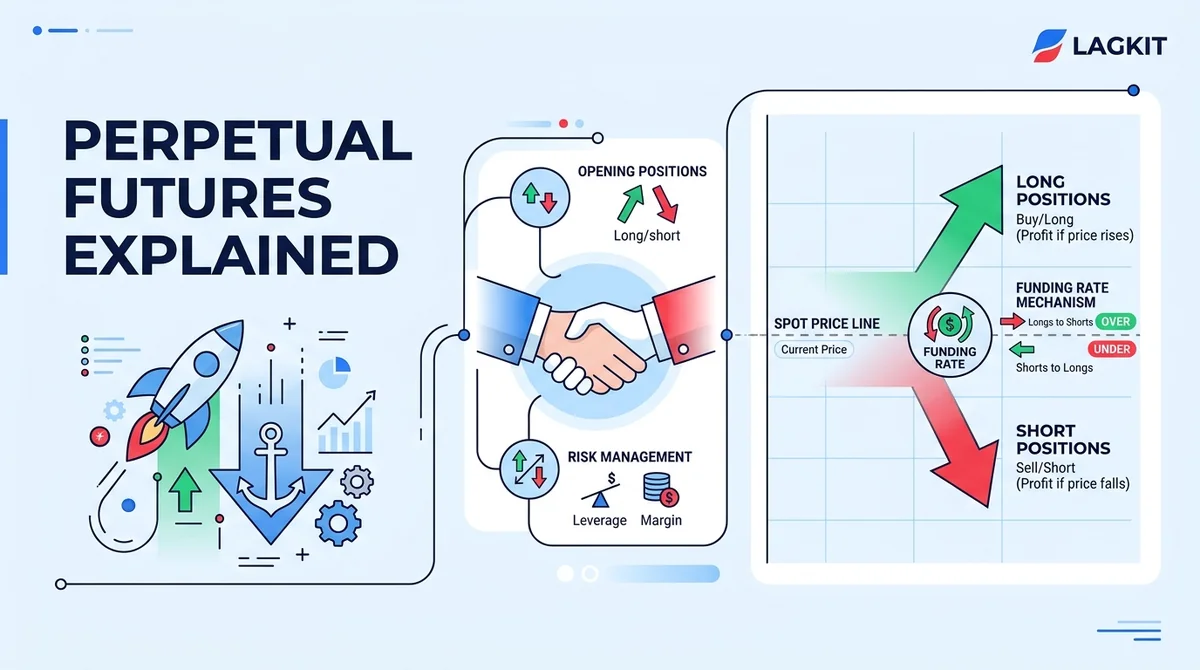
What Are Perpetual Futures in Crypto? A Beginner's Guide to Perpetual Contracts
Perpetual futures are crypto derivatives with no expiry that track spot prices via funding rates. Learn how they differ from spot and delivery contracts, plus leverage risk.
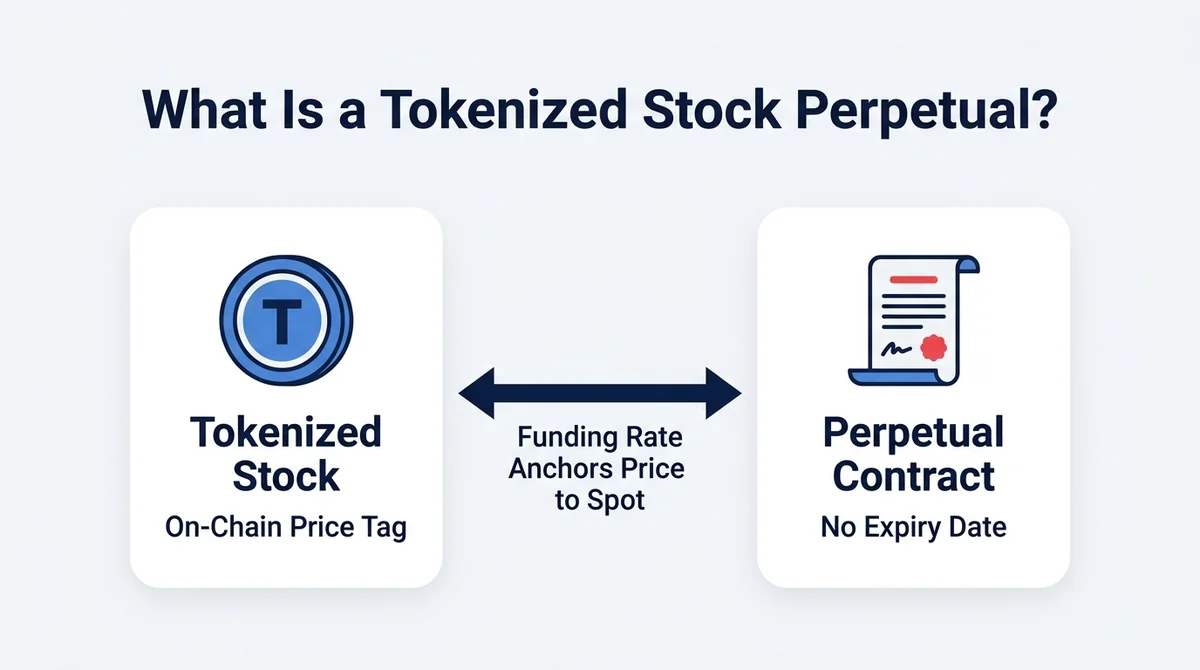
What Is a Tokenized Stock Perpetual?
A tokenized stock perpetual is a no-expiry derivative that tracks tokenized stock spot prices via funding rates. Learn the mechanics, differences, and risks.
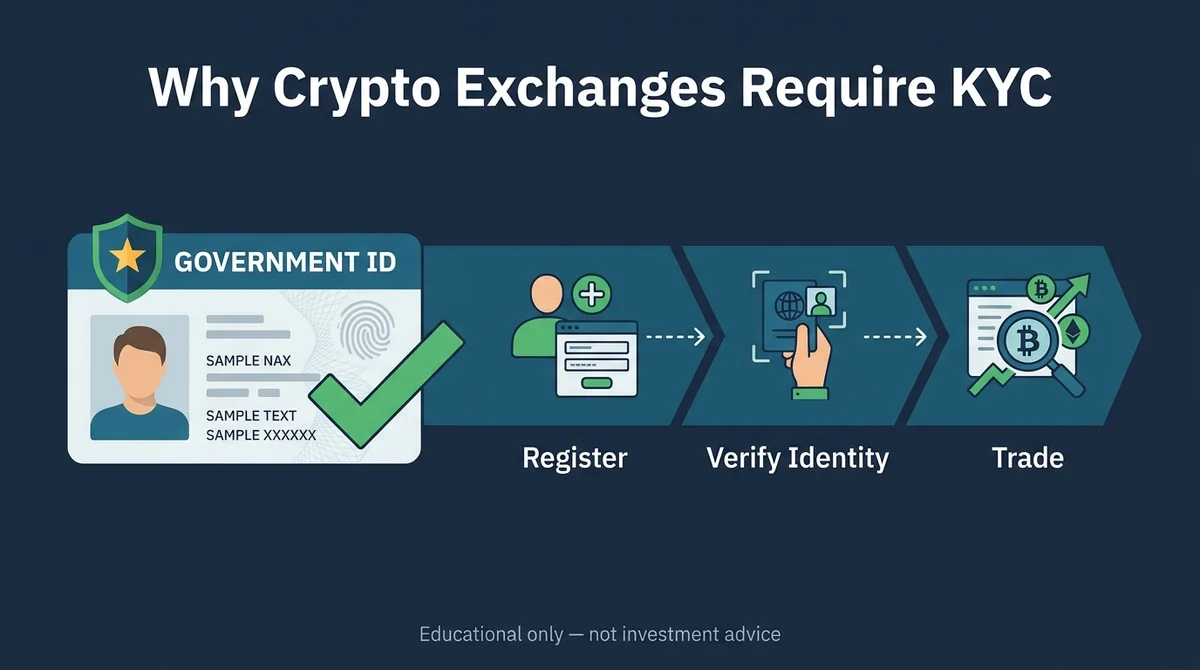
Why Crypto Exchanges Require KYC
KYC means Know Your Customer, the identity verification process exchanges use. Learn why exchanges require KYC, its benefits, the steps, and privacy tips.
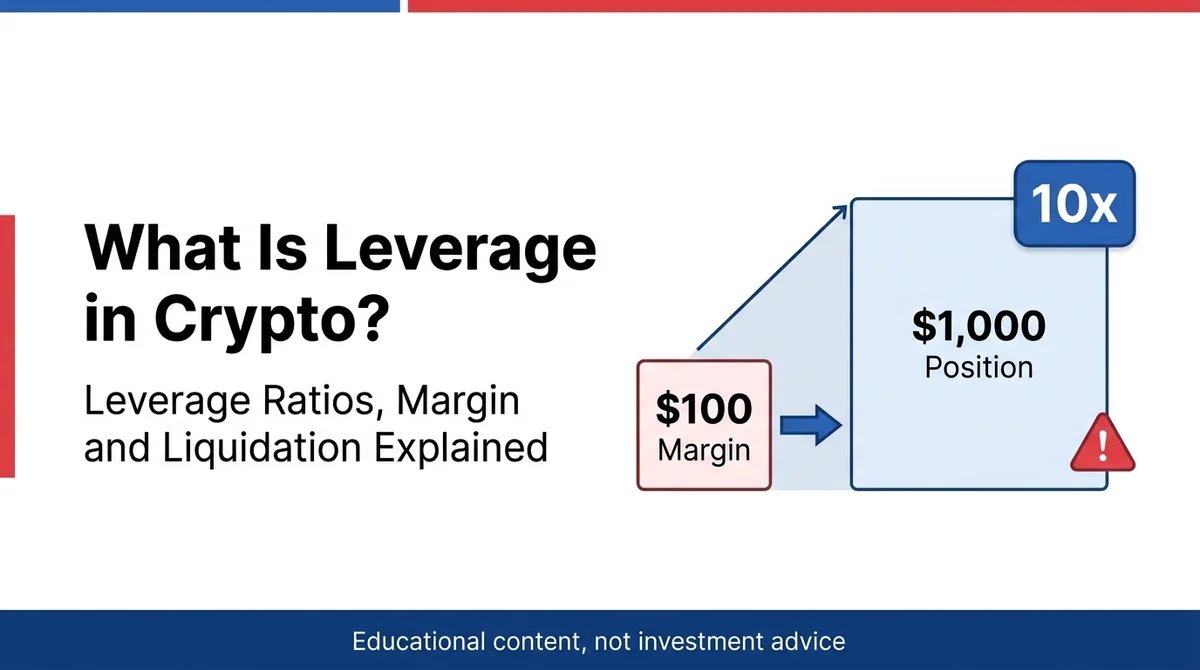
What Is Leverage in Crypto? Leverage Ratios, Margin and Liquidation Explained
Crypto leverage lets you control a larger position with less of your own capital (margin), amplifying both gains and losses. Learn leverage ratios, margin and liquidation.
What Is Ethereum?
Ethereum is a public blockchain platform for smart contracts, and ETH is its native token. A plain-English guide to Ethereum, wallets, and seed phrase safety for beginners.
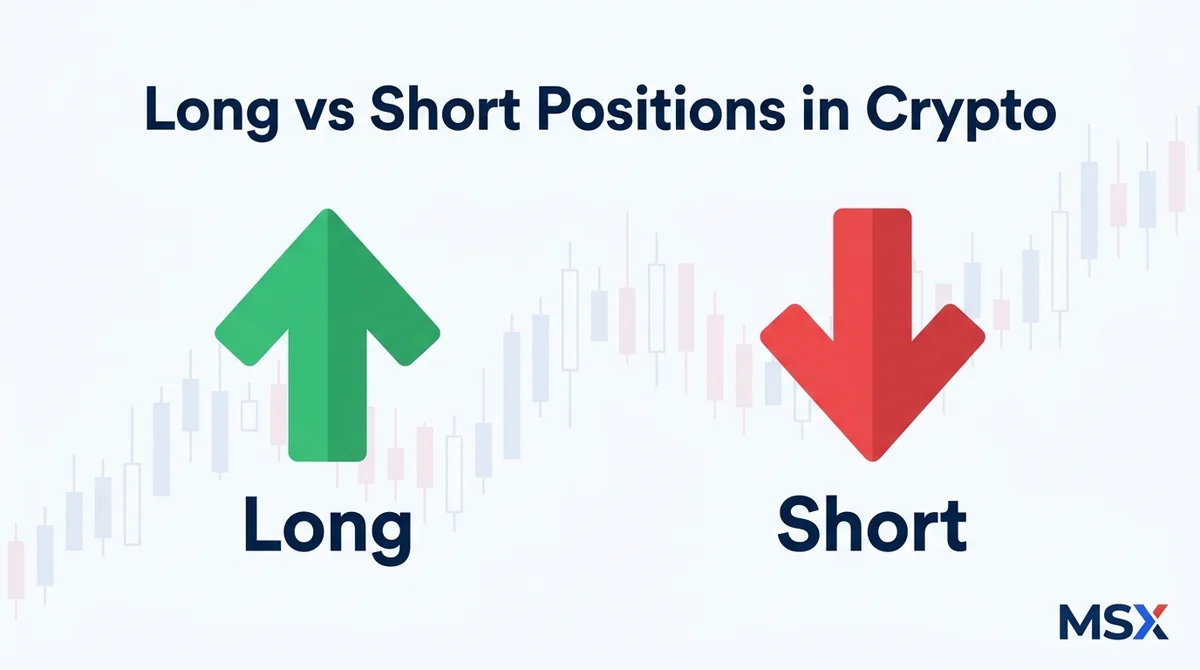
What is a long position
A long position is a bullish bet that profits from price gains. Learn long vs short, how crypto going long and short works, PnL, risks, and tips for beginners.
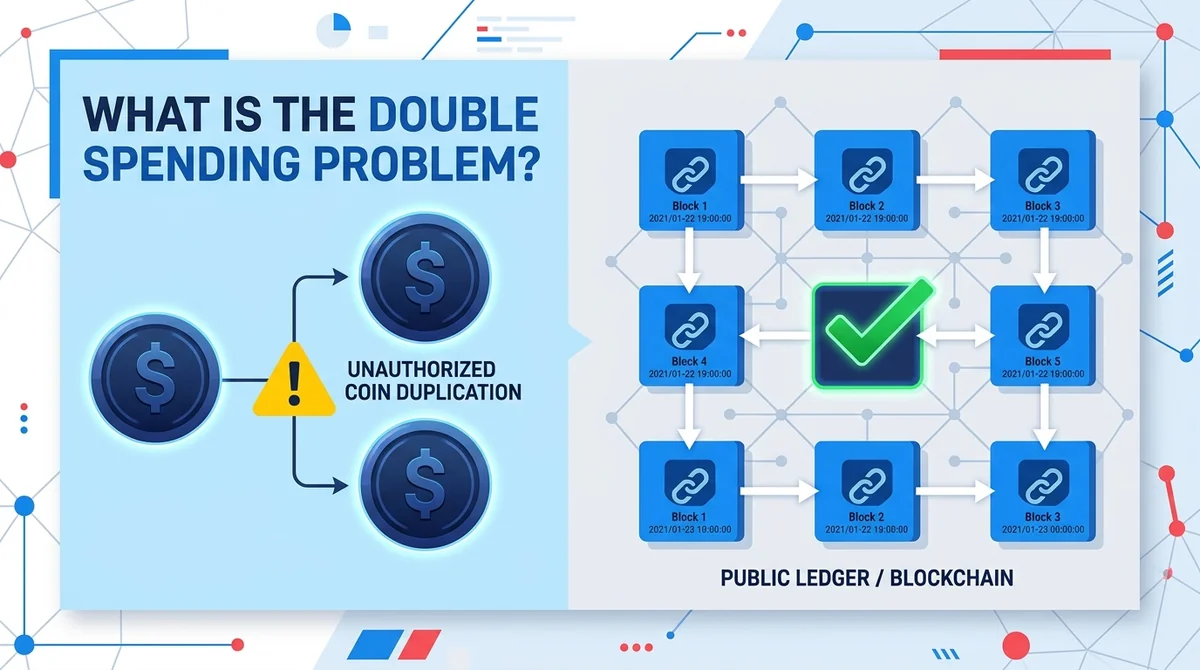
What Is the Double Spending Problem?
Double spending is the risk of spending the same digital asset twice. Learn how bank ledgers and blockchain consensus prevent duplicate payments.
MSX Learn Beginner Tutorial
MSX Learn is a crypto knowledge base for absolute beginners. It explains terms and concepts in plain language and offers no market analysis or investment advice.
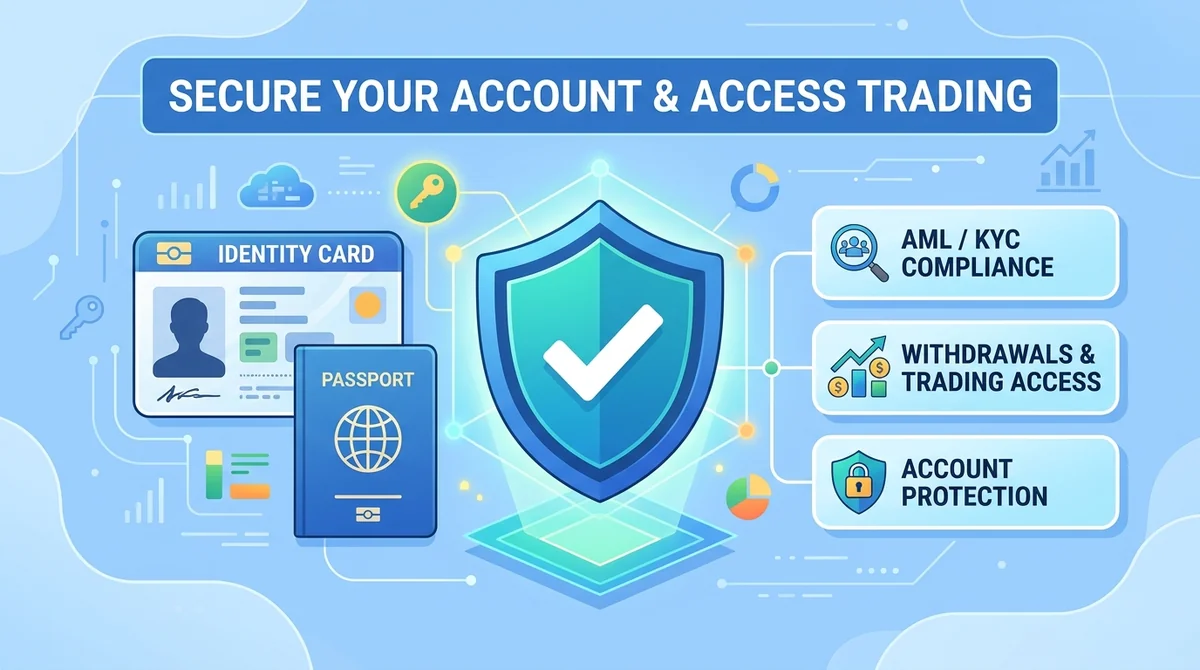
Why Is Account Verification Required?
Account verification confirms your real identity for AML/KYC compliance and unlocks full features. Learn required documents, steps, and anti-scam tips.
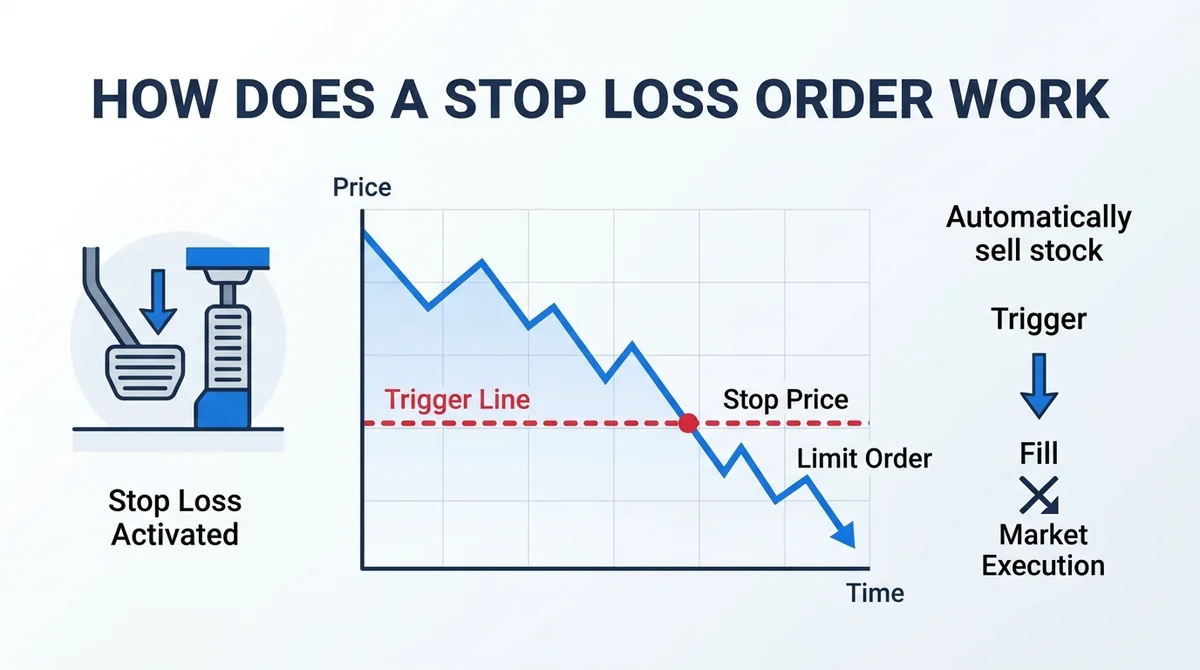
How Does a Stop Loss Order Work
A stop loss order triggers a sell or close order at a preset price to cap losses. Learn how stop loss orders work, how to set them, and why fills can slip.
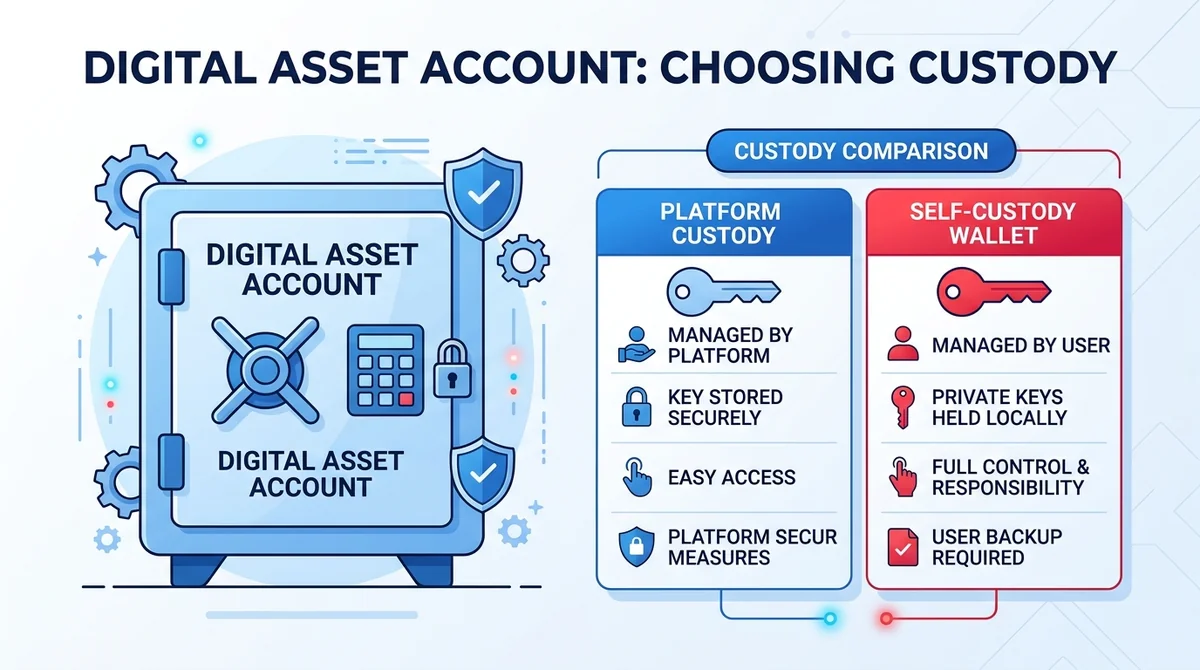
What Is a Digital Asset Account? A Beginner's Guide to Opening and Securing One
A digital asset account is your personal account on a trading platform, recording balances and trade history while the platform holds custody. Learn account structure, sign-up steps, common pitfalls and security settings. Not investment advice.
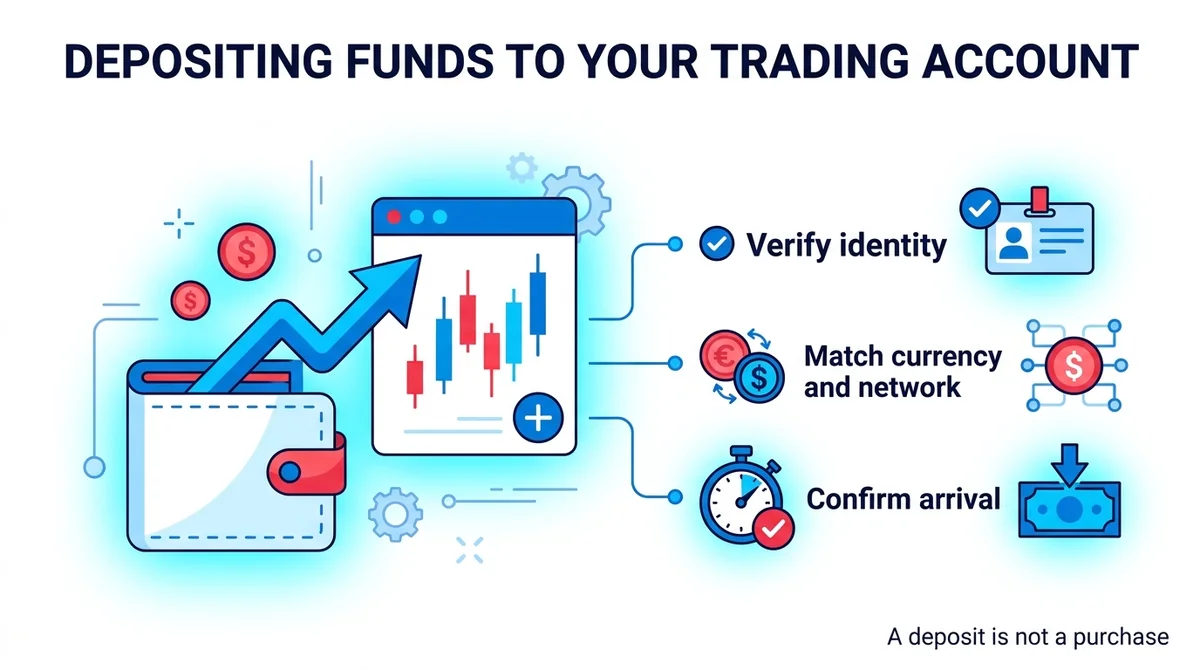
How to Deposit Funds into a Trading Account
A deposit moves money from your bank or wallet into your trading account so you can place orders. Covers prep, bank vs on-chain transfers, steps, risks, and missing funds.

What Is Pre-IPO?
Pre-IPO is financing or share transfers before a company's official IPO. Learn what Pre-IPO means, how it differs from an IPO, how to buy pre IPO stock, and key risks.
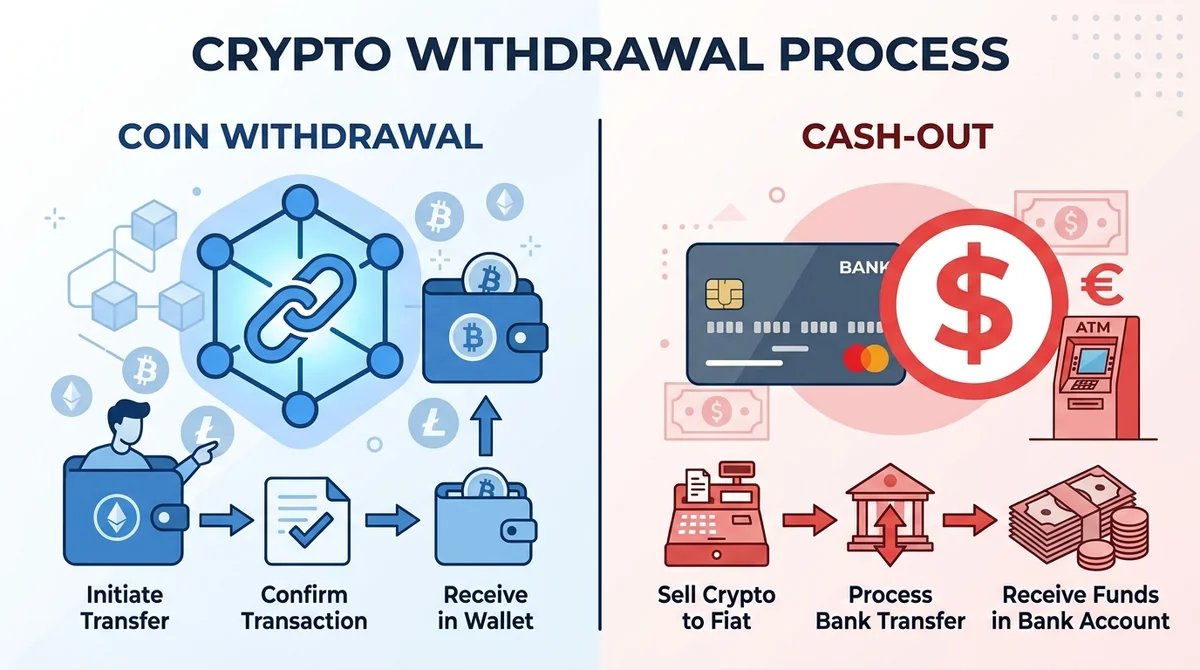
Crypto Withdrawal Process
Crypto withdrawal has two paths: withdraw coins via blockchain to a wallet, or cash out by selling to fiat and sending to your bank card. Key steps and risks.
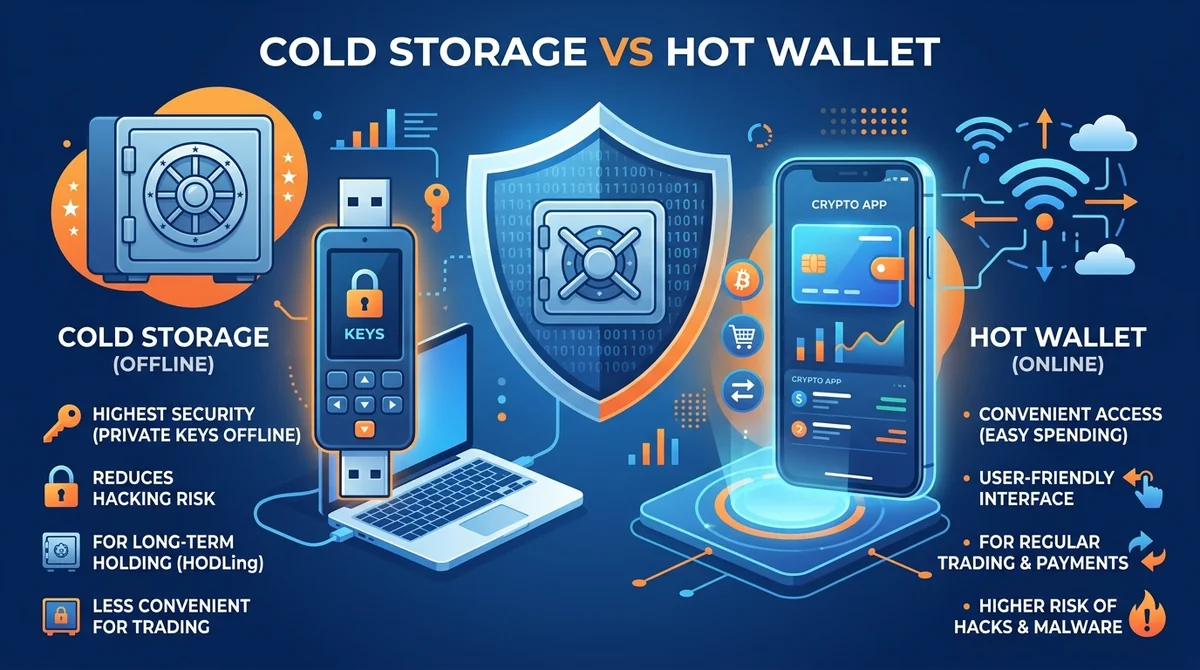
What Is Cold Storage and How to Create a Crypto Wallet
Learn the differences between cold storage and hot wallets, and how to securely create a crypto wallet, back up your seed phrase, and use a hardware wallet.
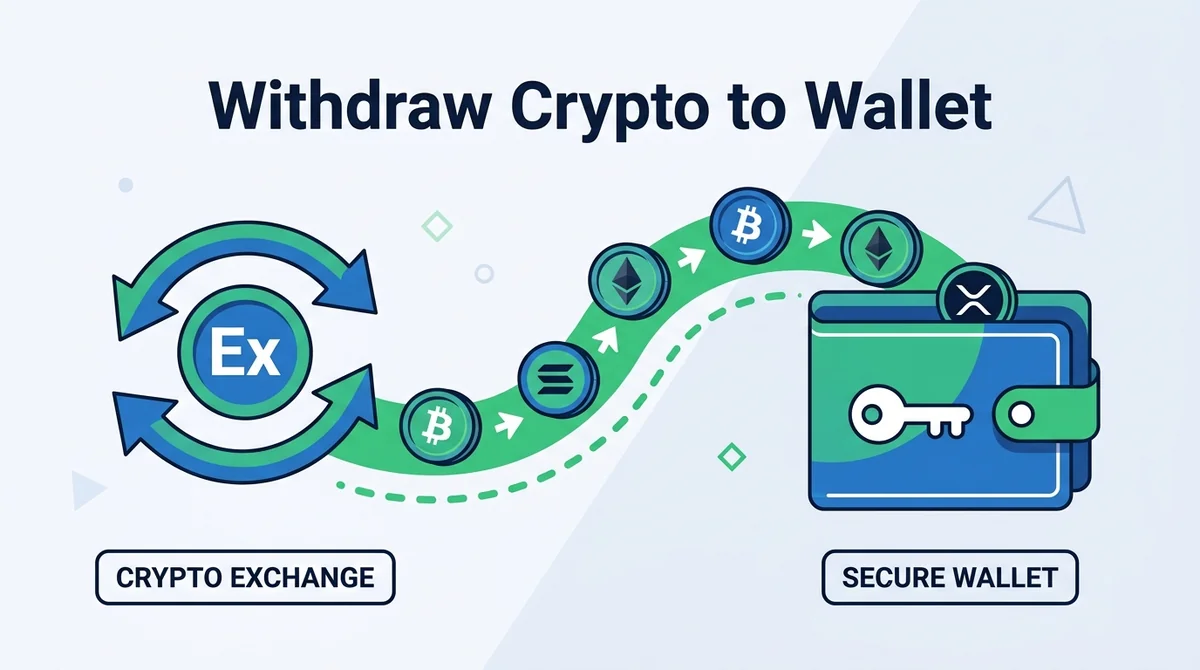
How to withdraw cryptocurrency to wallet
Withdrawal moves crypto from exchange to personal wallet. Plain-language steps, network selection, common mistakes, and security tips to control your assets.
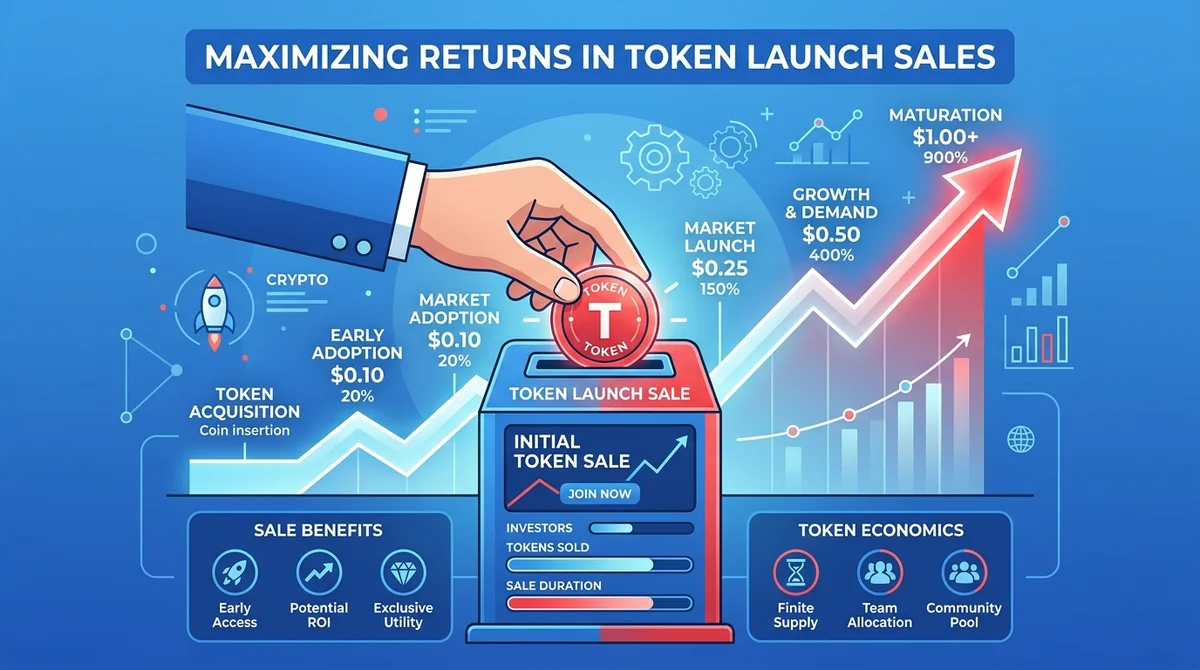
How to Participate in Token Launch Sales
Token launch sales let you buy new tokens at issue price before listing. Learn what they are, requirements, steps, and risks to start safely.
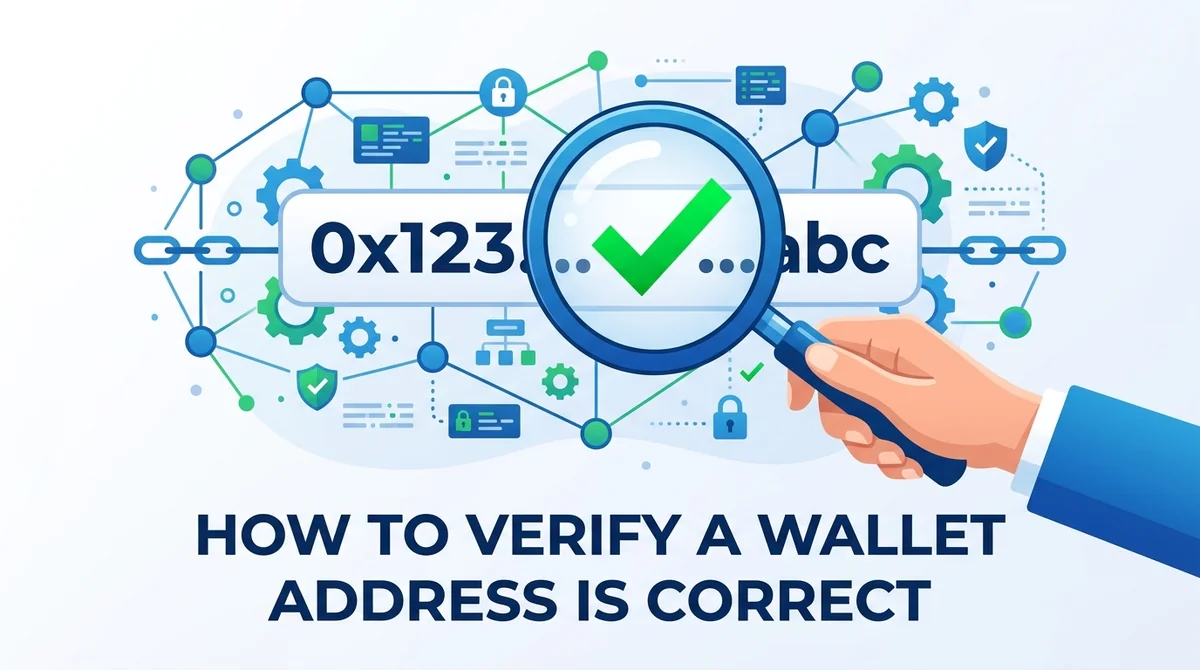
How to Verify a Wallet Address Is Correct
Wrong wallet addresses are usually irreversible. Learn manual checks, checksum verification, small test transfers, and avoid clipboard hijacking scams.
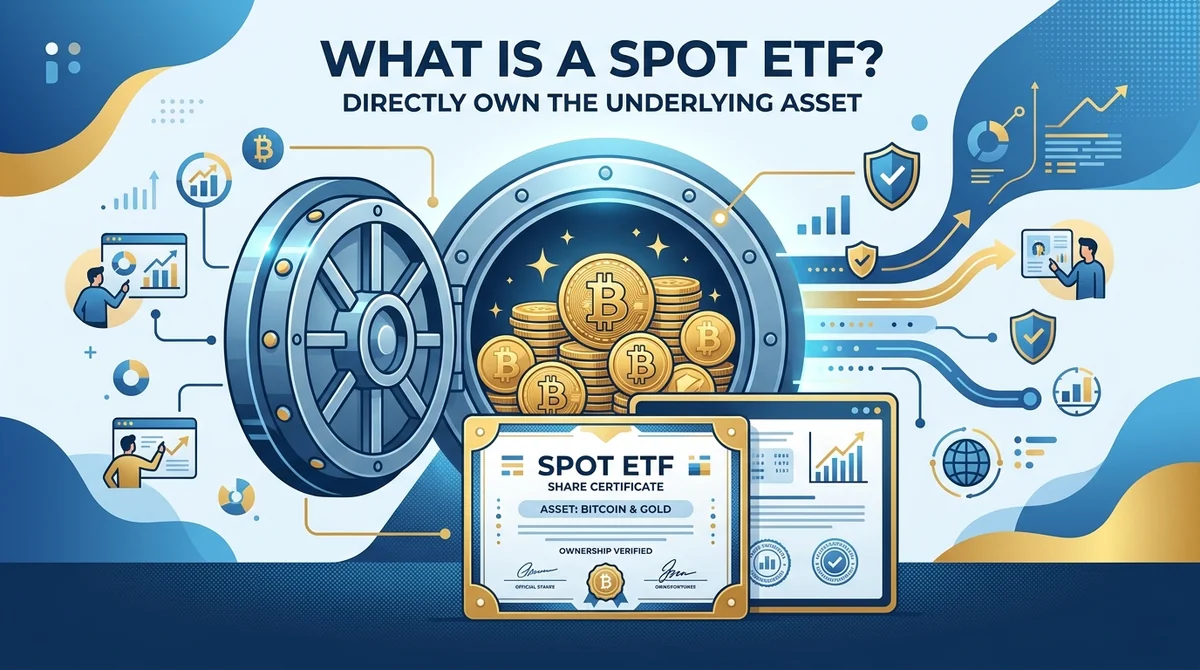
what is a spot ETF
Spot ETFs directly hold assets like Bitcoin or gold. Buying shares means indirect ownership. Learn how spot ETFs work, their differences from futures ETFs, and risks.
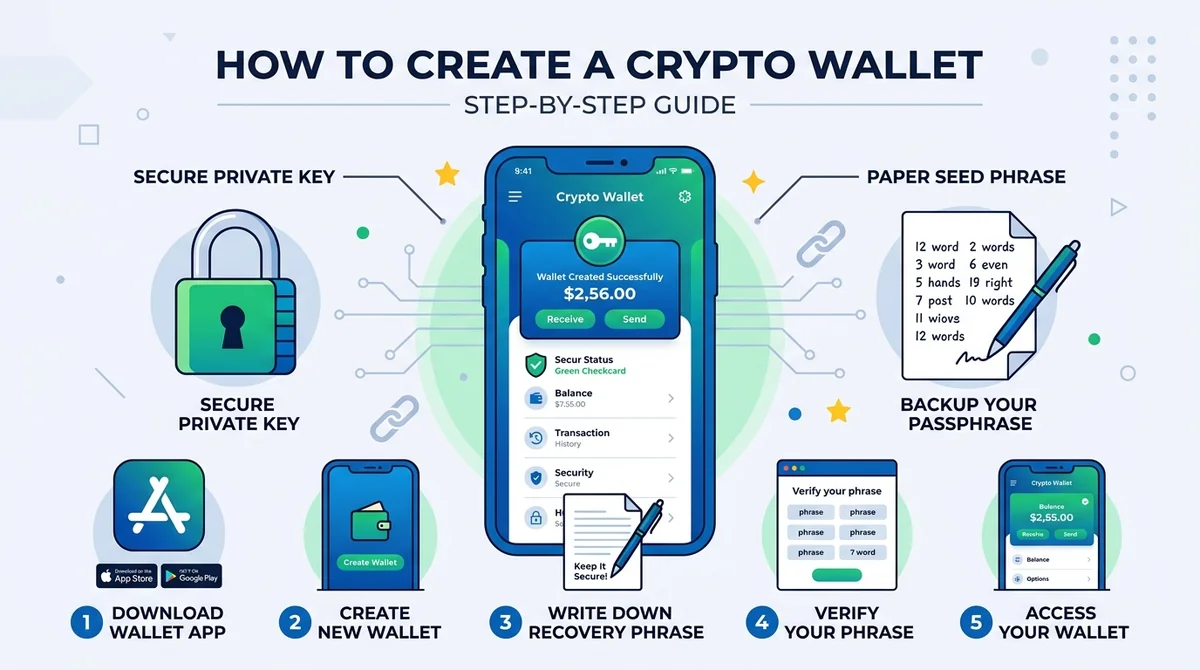
How to Create a Crypto Wallet
Creating a crypto wallet means generating public/private keys and backing up a seed phrase. Learn wallet types, steps, and security tips to store digital assets safely.
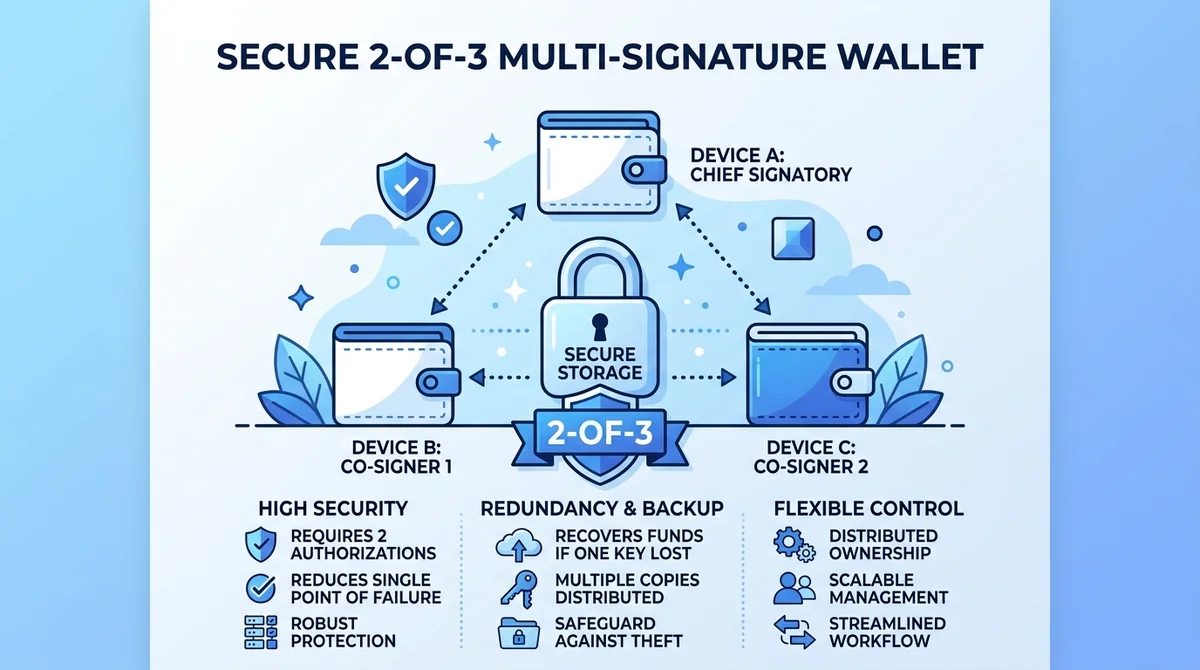
How to Create a Multisig Wallet with a Cold Wallet
A multisig wallet requires multiple private keys to sign a transaction. This guide shows how to create a 2-of-3 multisig wallet with cold wallets.
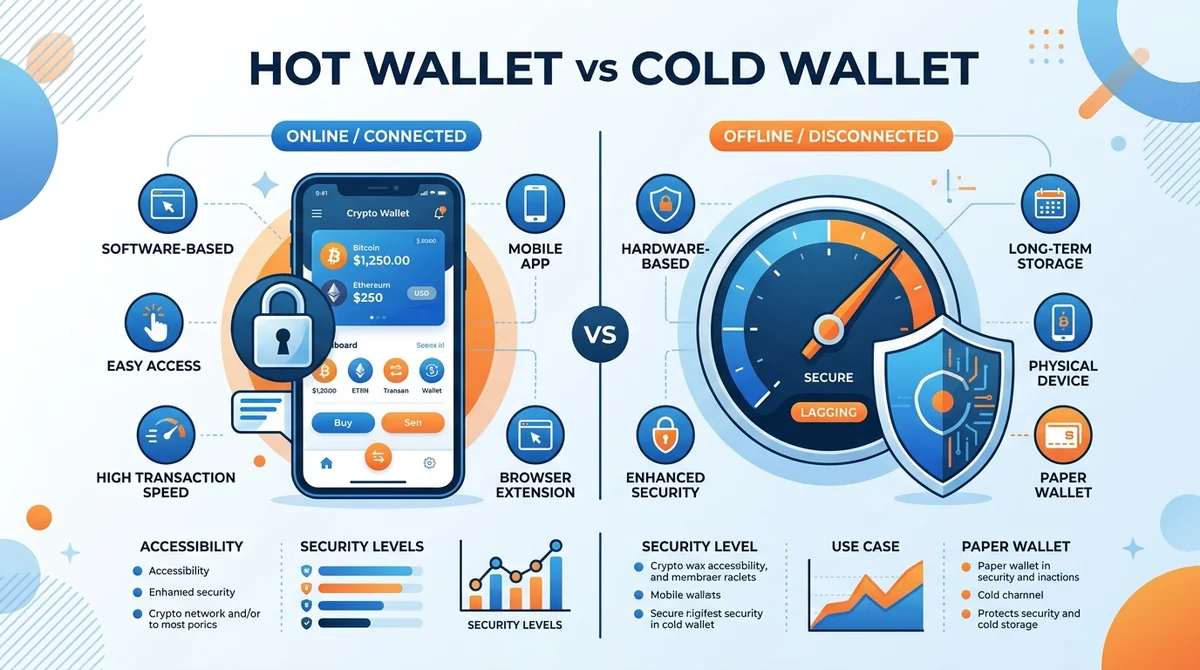
What is a hot wallet
A hot wallet is a cryptocurrency wallet connected to the internet. Learn how hot wallets work, their risks, types, setup steps, and how they compare to cold wallets.
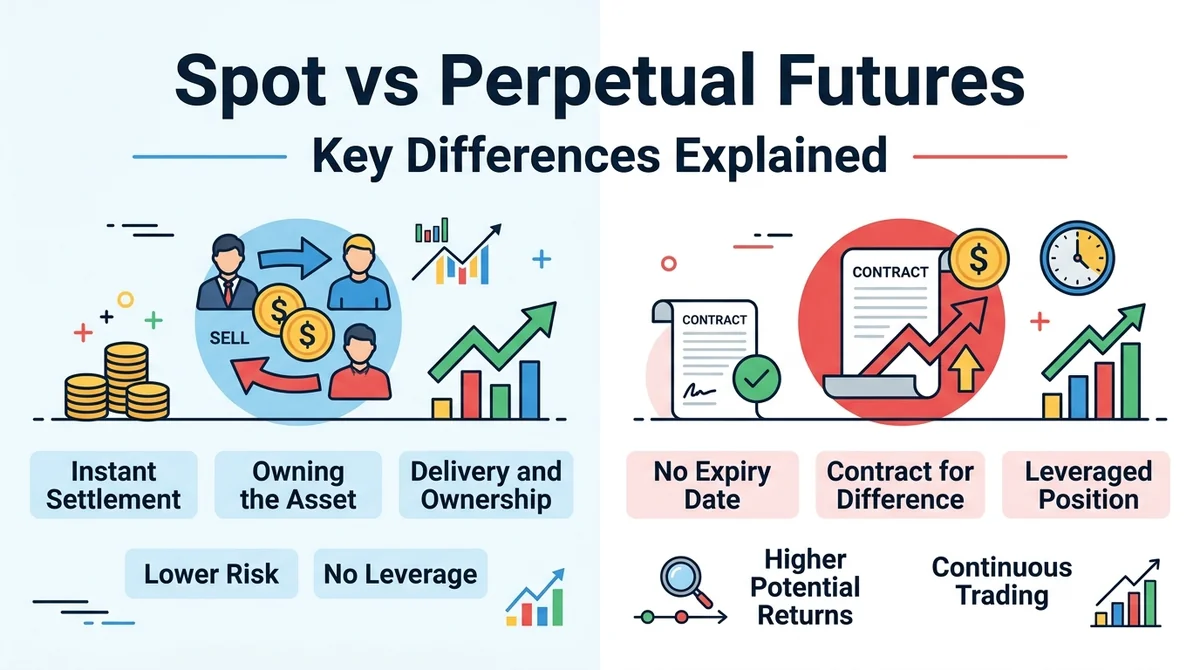
Spot vs Perpetual Futures: Key Differences
Spot trading buys assets directly with no leverage or expiry. Perpetual futures are leveraged derivatives with long/short. Learn the differences and funding rates.
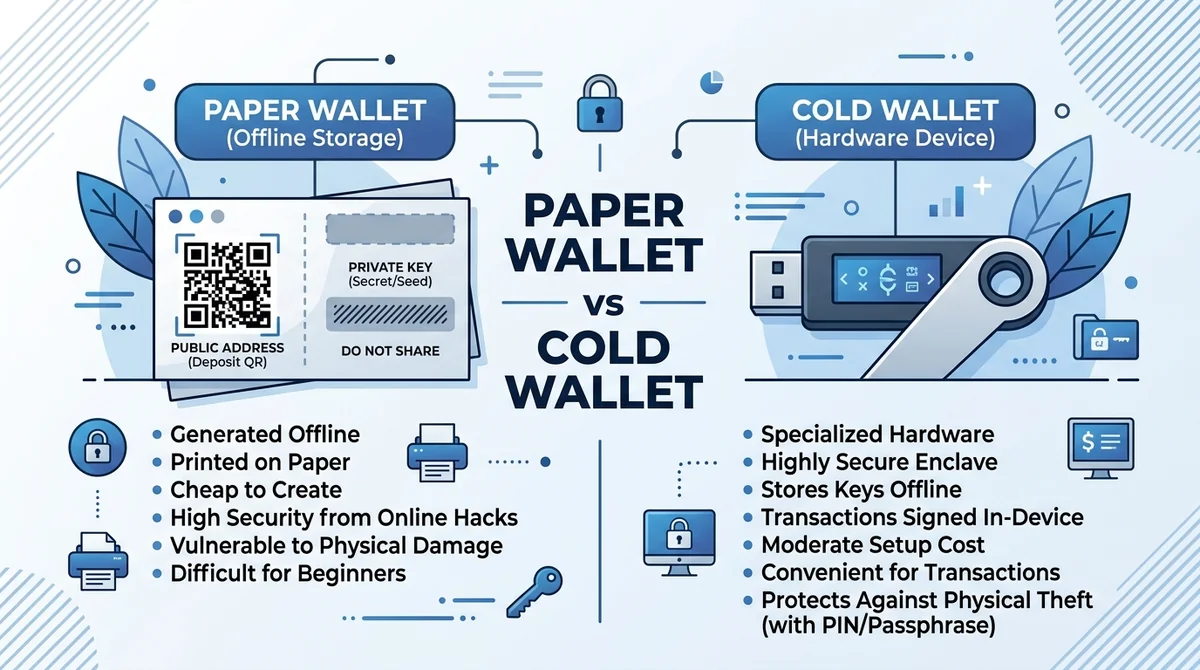
What Is the Difference Between a Paper Wallet and a Cold Wallet?
A paper wallet is one type of cold wallet; cold wallets also include hardware wallets. Paper wallets cost little but are fragile, while hardware wallets are safer and easier to use.
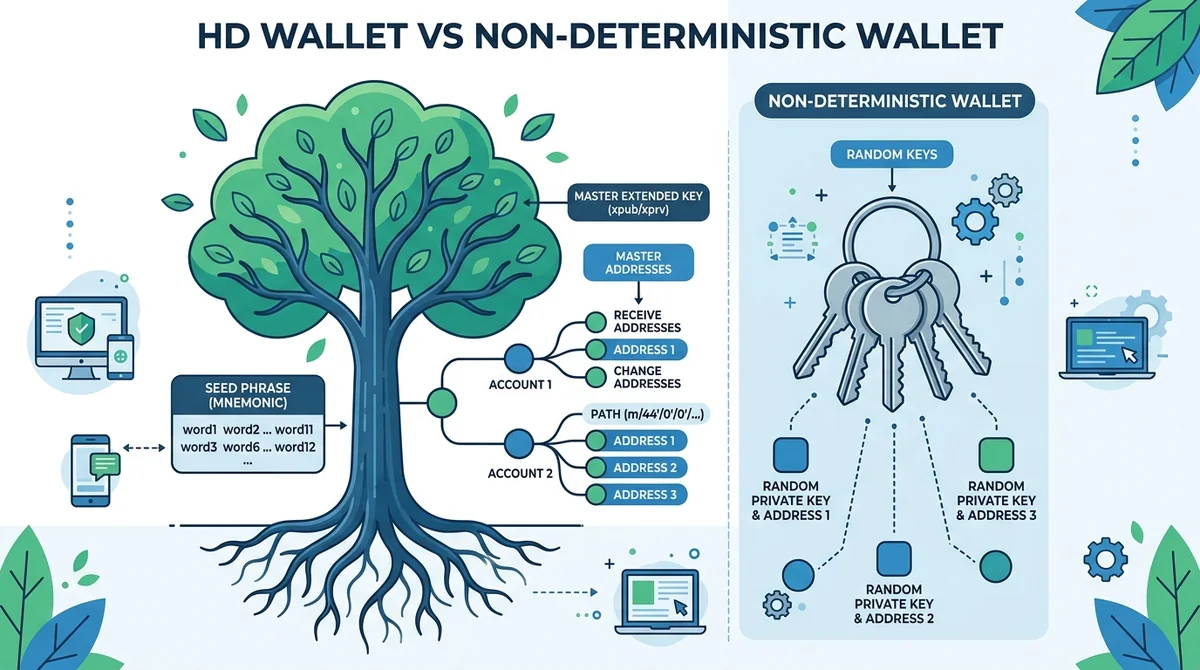
Difference Between HD Wallets and Non-Deterministic Wallets
HD wallets derive all keys from one seed for one-time backup; non-deterministic wallets generate each key randomly, requiring per-key backup.
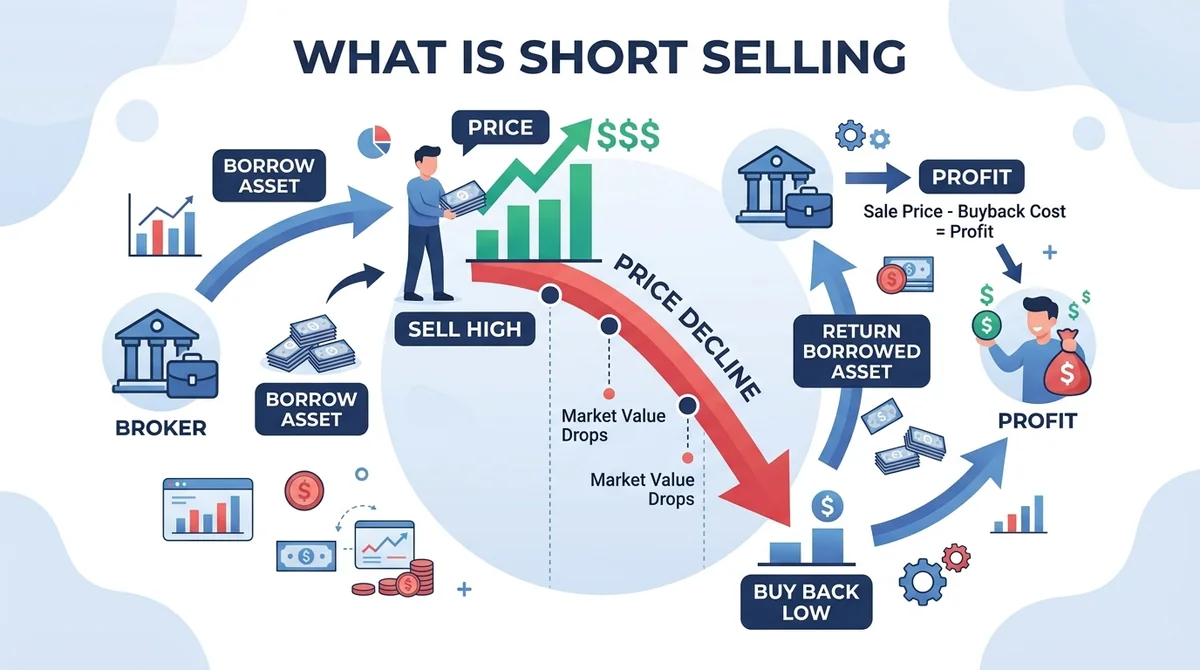
What Is Short Selling
Short selling means borrowing and selling an asset expecting a price drop, then buying back cheaper to profit. Long buys first; short sells first, with different risk profiles.
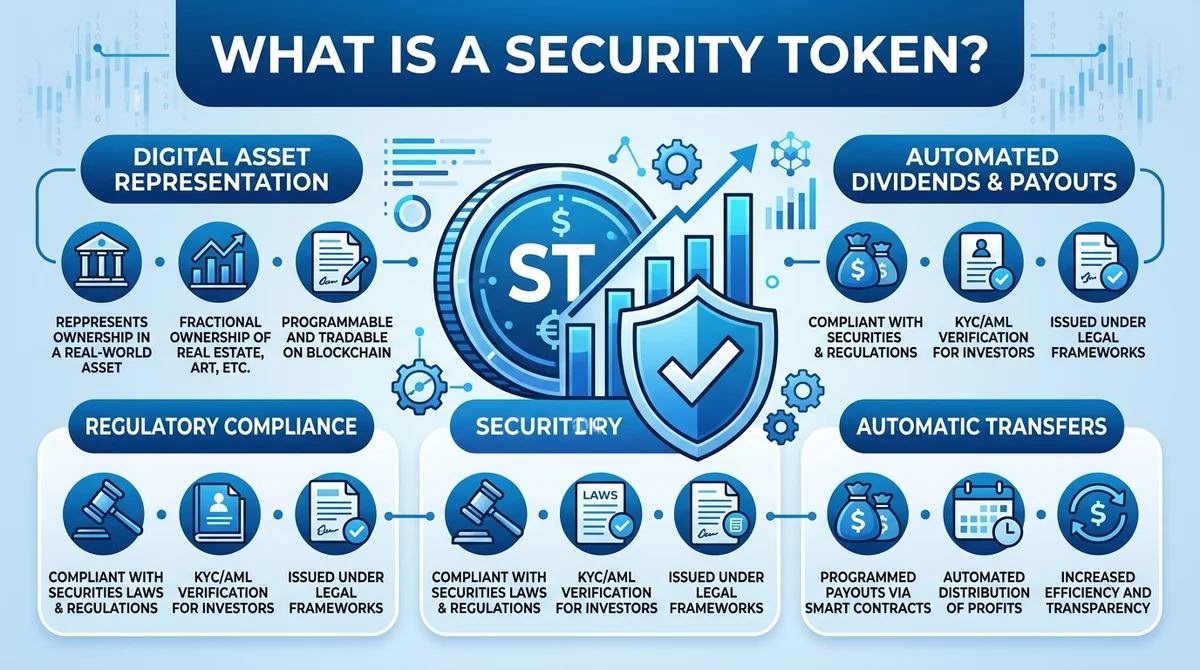
What is a Security Token?
Security tokens are digital tokens representing ownership or income rights in real assets, regulated by securities laws. Learn the differences from utility tokens, issuance, trading, and risks.
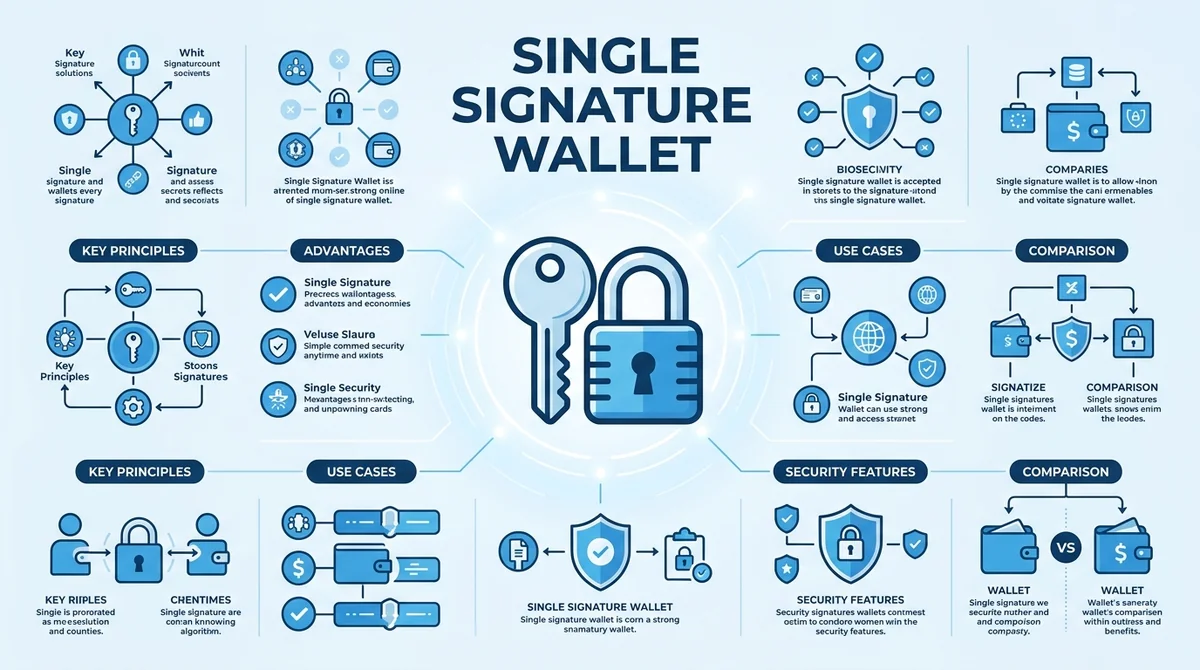
What is a single signature wallet
A single signature wallet requires just one private key to control your crypto. Learn how it works, how to create one, security risks, and how it differs from a multisig wallet.
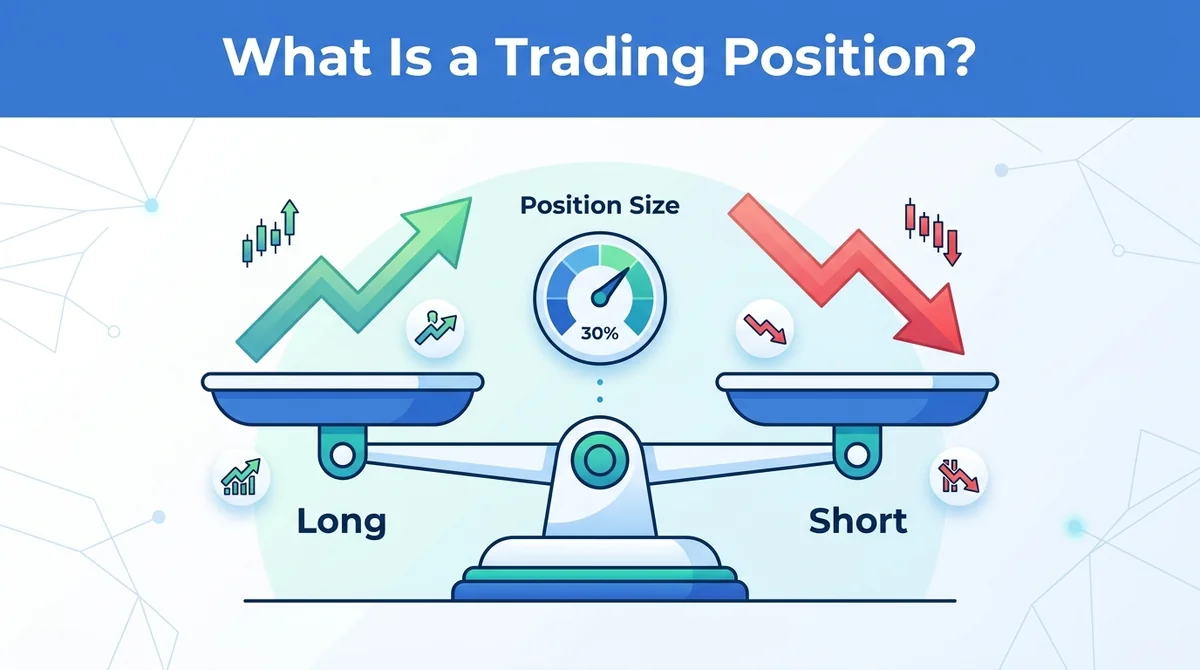
What Is a Trading Position
A trading position is the quantity and direction of an asset you currently hold. This guide explains long, short, position size, and position management in plain language to help you control risk.
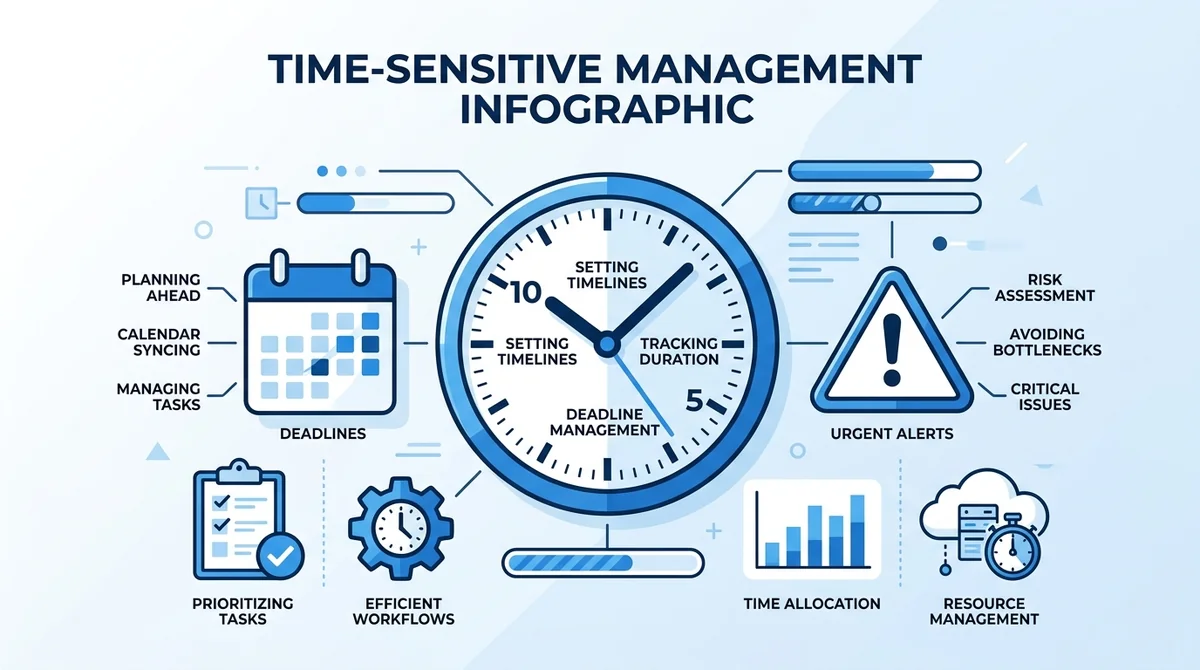
IPO Bidding Time: A Complete Guide to Application Windows and Cut-offs
Learn the exact IPO bidding time, exchange and broker cut-offs, and how to avoid last-minute rejection. A practical guide with step-by-step tips.
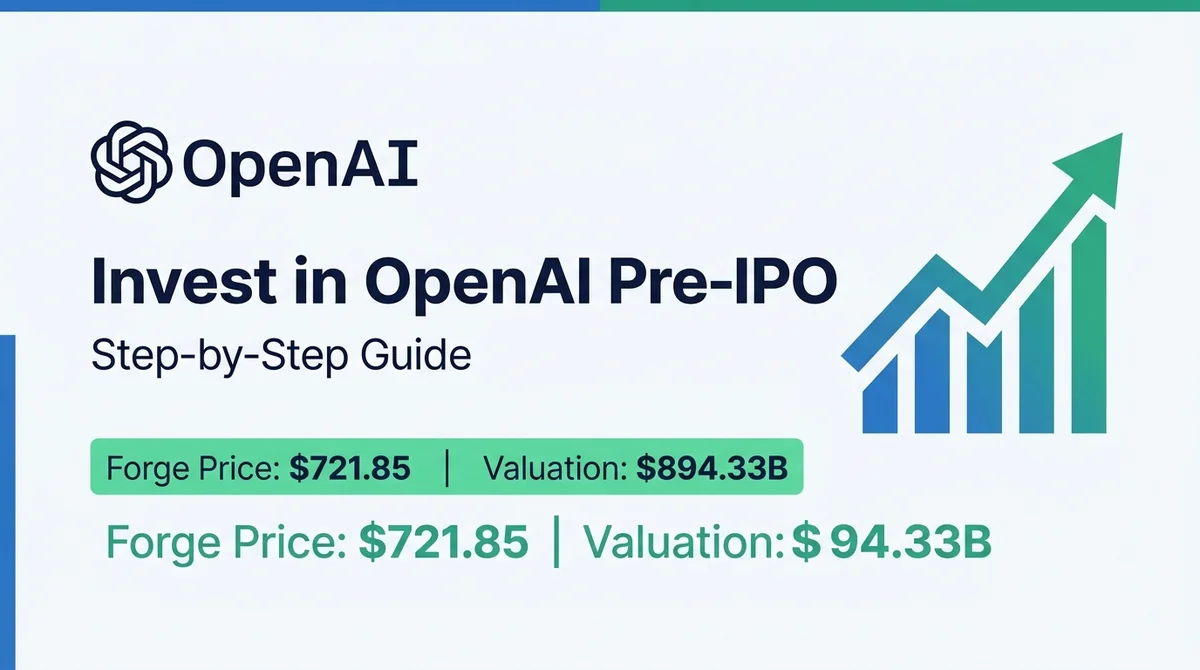
How to Invest in OpenAI Pre-IPO: A Step-by-Step Guide
Discover how to invest in OpenAI pre-IPO as an accredited investor. Explore platform options, understand risks, and find alternatives to start today.
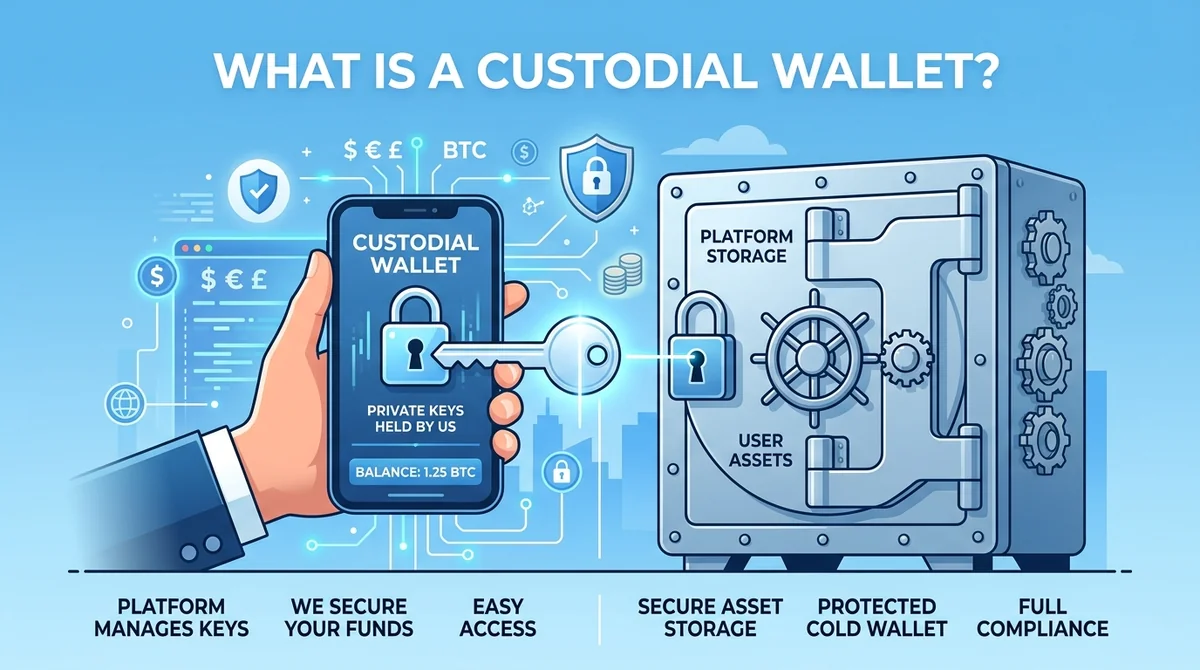
What Is a Custodial Wallet?
A custodial wallet is a digital asset wallet where a third party holds your private keys. Learn its pros, cons, how to choose one, and safety tips.
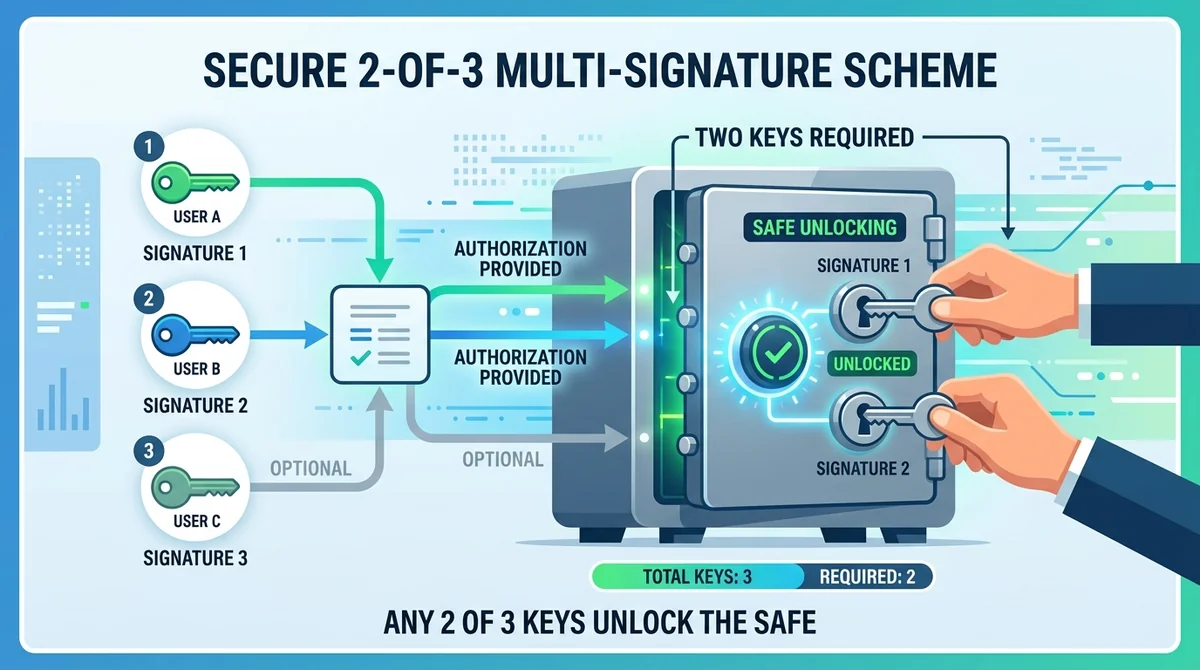
what is a multisig wallet
A multisig wallet requires multiple private keys to authorize a transaction, like a safe needing multiple keys. This guide explains the principles, pros and cons, setup steps, and security tips in plain language.

IPO Bidding: A Beginner's Step-by-Step Guide
Learn how IPO bidding works, what you need before bidding, and common mistakes to avoid. Get a step-by-step guide to applying for IPO shares safely.
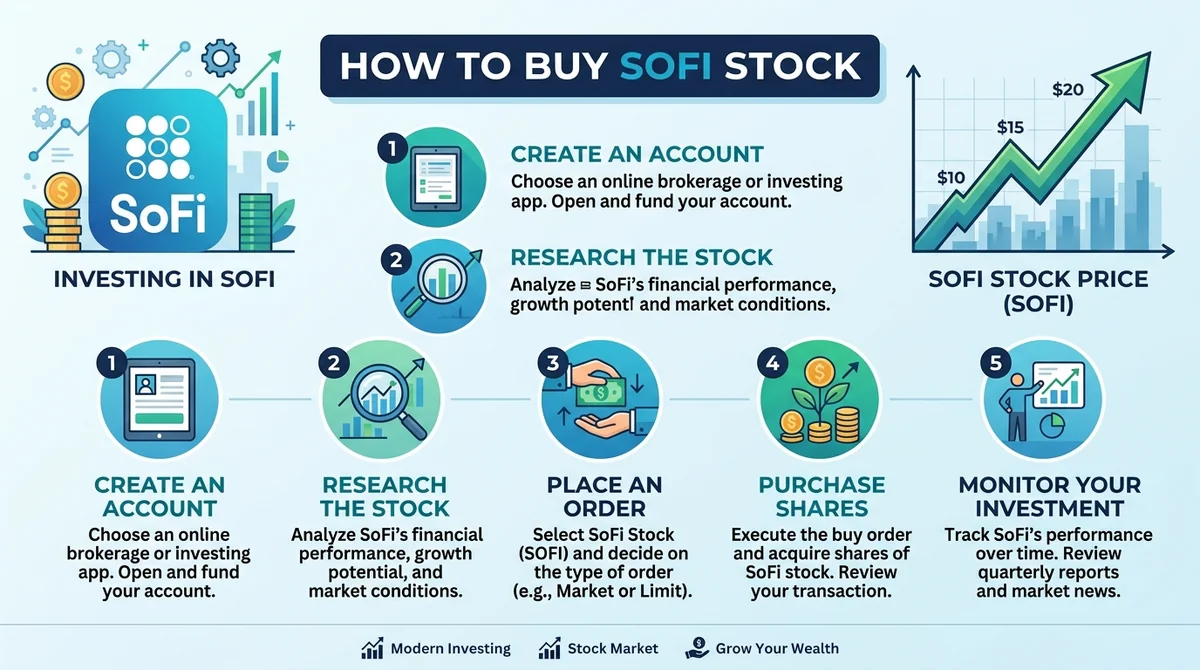
SoFi IPO: How to Buy SoFi Stock Step by Step
Learn what SoFi is, how its 2021 IPO worked, and how to buy SoFi stock step by step. Understand risks and avoid common mistakes in this beginner guide.
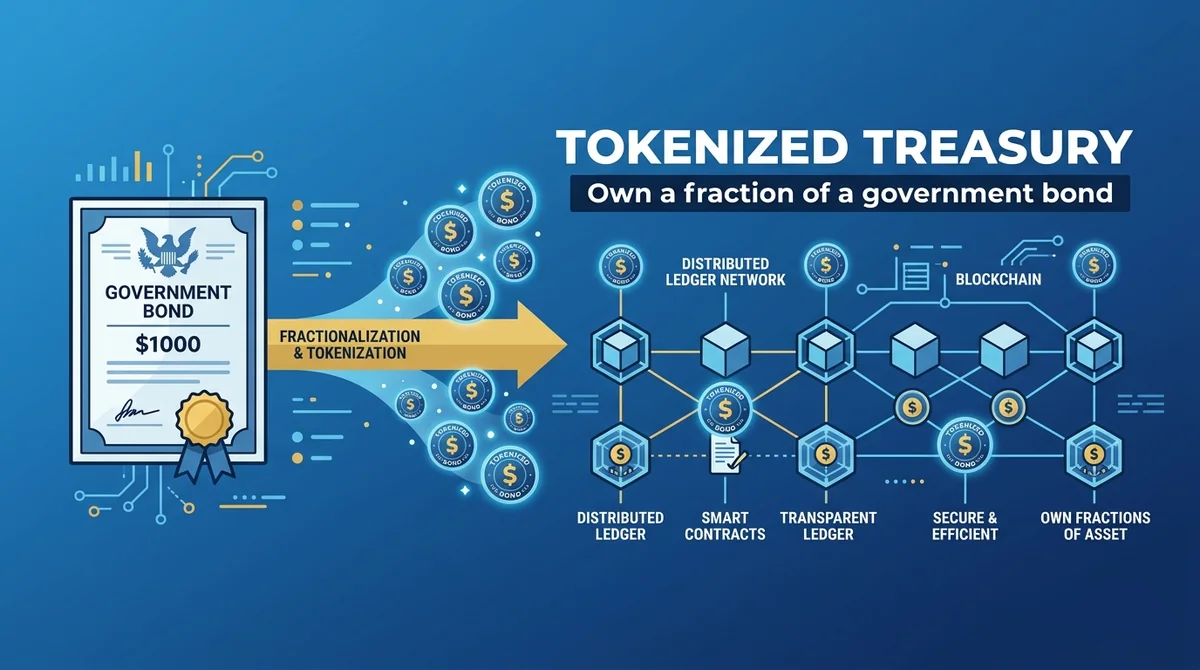
what is tokenized treasury
Tokenized treasuries put traditional government bond ownership on blockchain as tradable digital tokens. Learn definition, benefits, risks & how to buy.

IPO Timing: A Step-by-Step Guide to Choosing the Right Moment
Learn what IPO timing is and why it matters. Our step-by-step guide covers preparation, market analysis, and common mistakes to help you launch successfully.
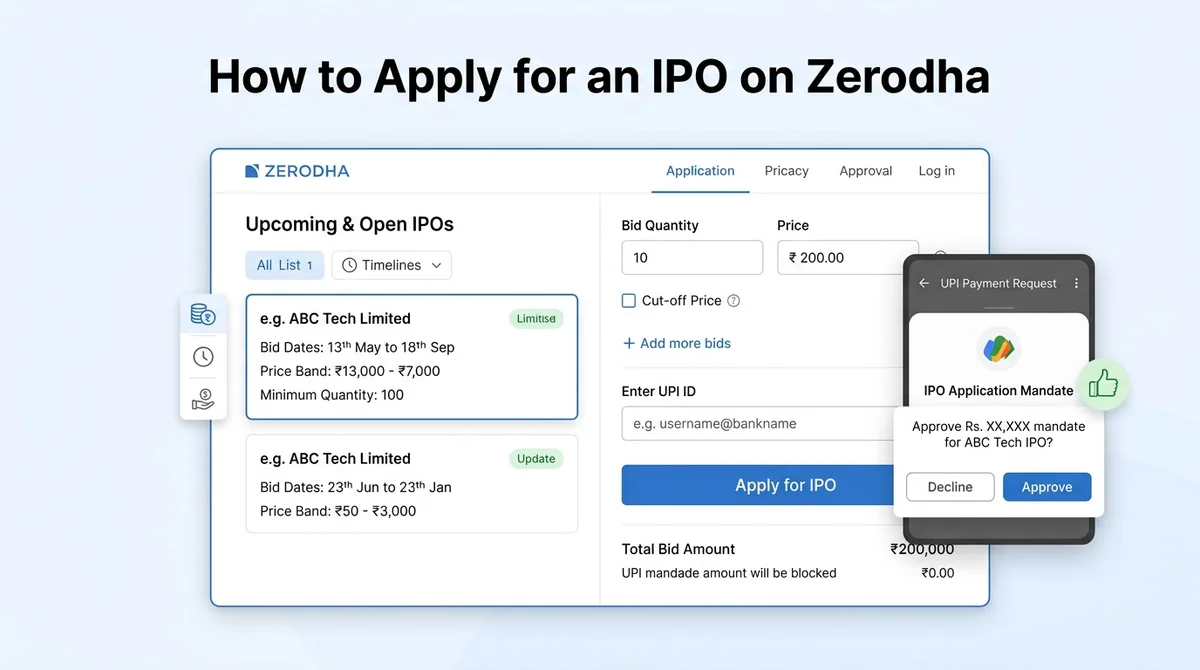
How to Apply for an IPO on Zerodha: A Step-by-Step Guide
Apply for an IPO on Zerodha in 2026 with this step-by-step guide. Covers UPI mandate approval, status tracking, common mistakes, and scam avoidance.

What Is a Memecoin
Memecoins are cryptocurrencies created from internet memes or community sentiment, often lacking real utility. Learn the concept, examples, and risks.
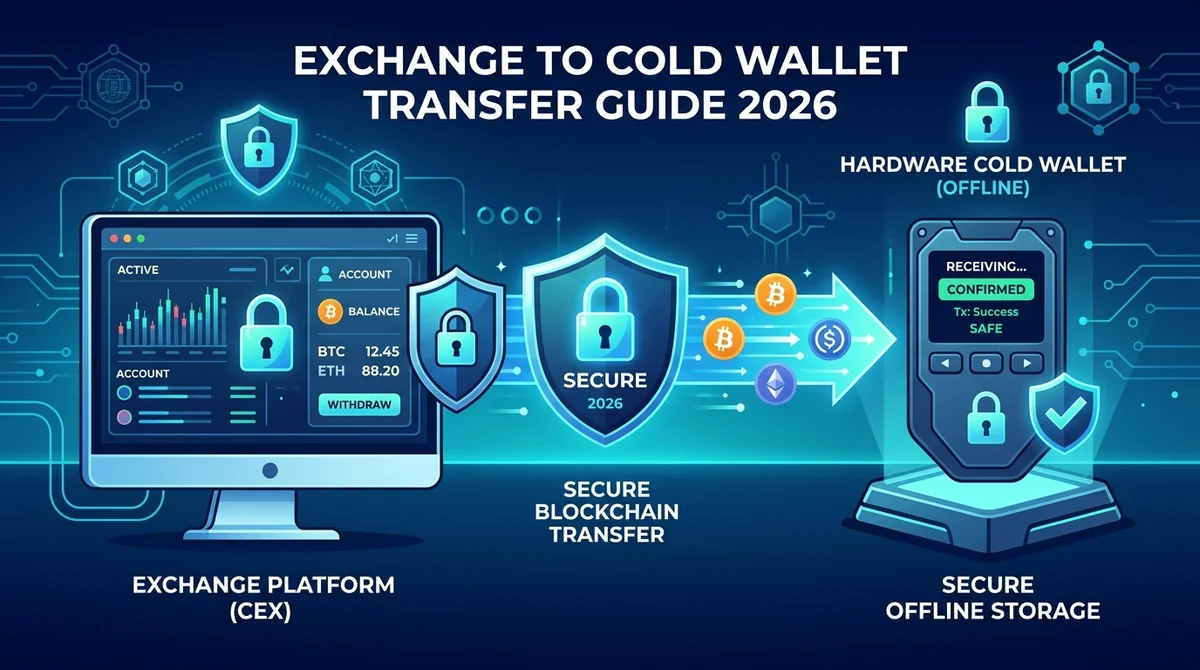
Transferring from Custodial Exchange to Cold Wallet: 2026 Step-by-Step Setup Guide
Learn how to safely transfer crypto from exchange custodial accounts to an offline cold wallet with whitelisting, network verification, and test sends.
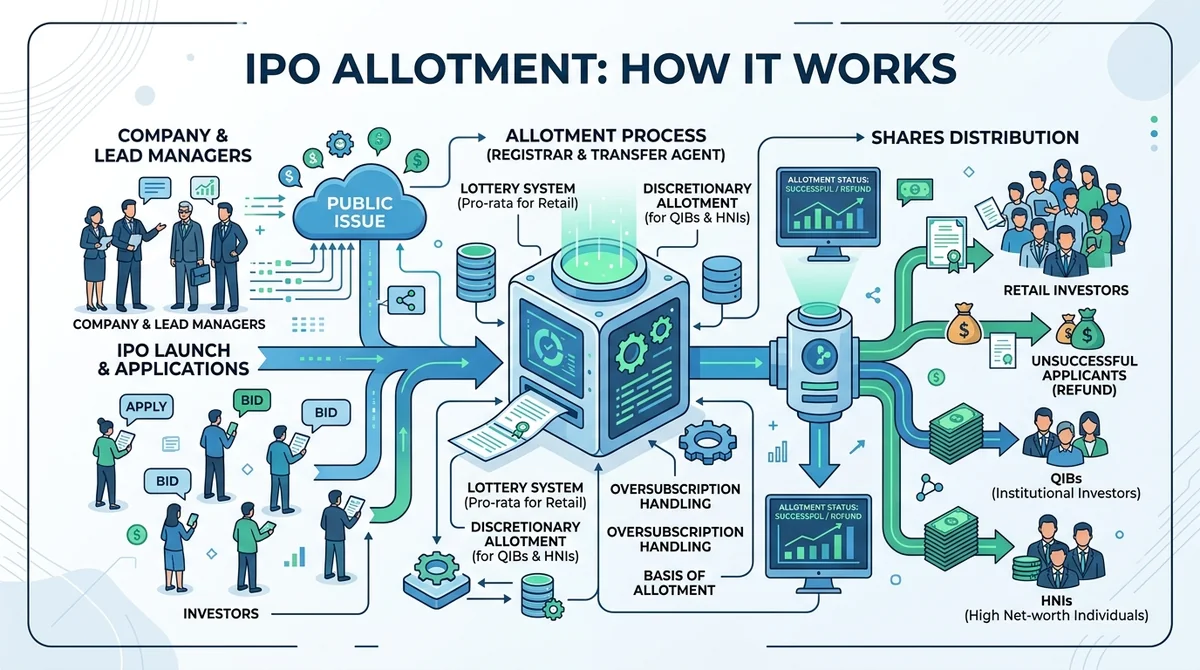
IPO Allotment: How It Works and How to Check Your Status
Understand IPO allotment and share allocation. Learn how to check your status online, avoid common mistakes, and know what happens after finalization.
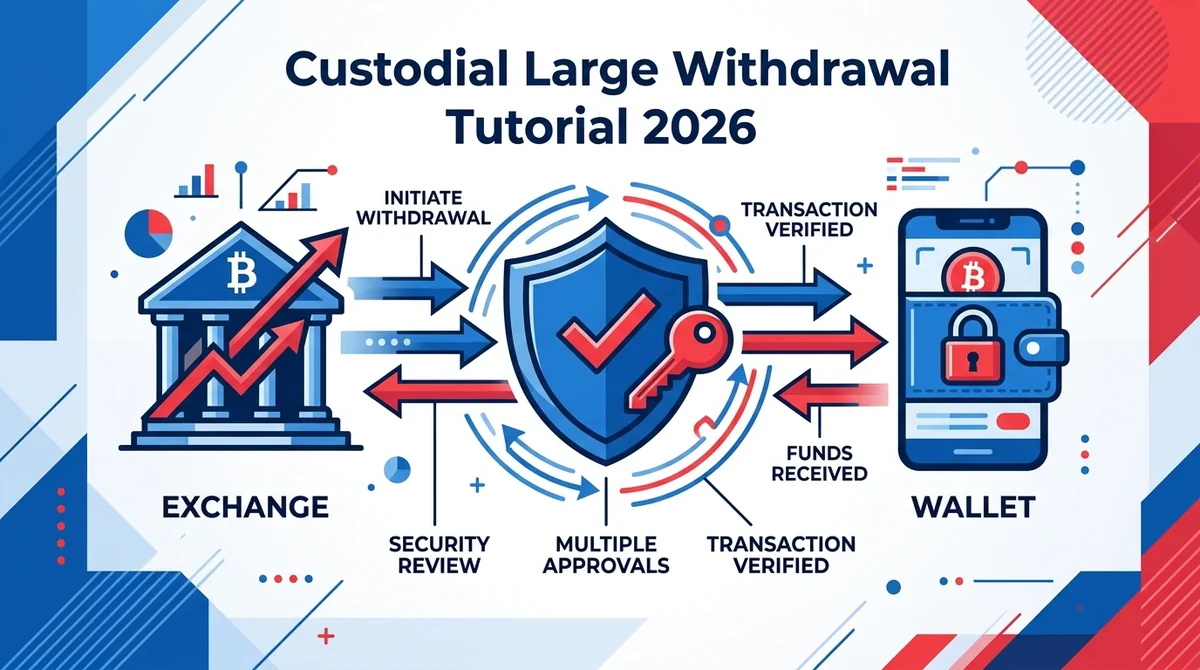
Custodial Large Withdrawal Tutorial: 2026 Exchange Withdrawal Risk Control and Address Whitelist Configuration
Custodial large withdrawal for 2026: risk control, whitelist, KYC, review, on-chain confirmation, and mistake prevention. Not investment advice.
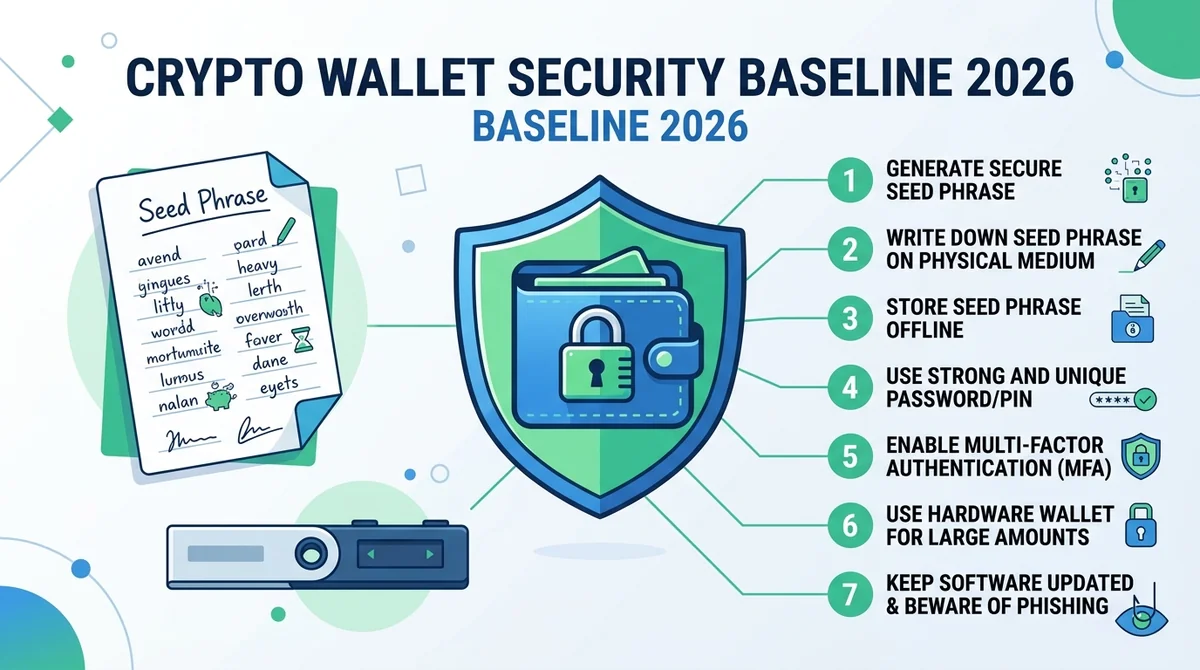
Creating a Crypto Wallet Security Baseline in 2026: A 7-Step Checklist (Seed Phrase, Private Key, and Cold Storage Verification)
2026 crypto wallet security baseline: wallet selection, offline seed backup, cold storage checks, phishing prevention. 7 steps, not investment advice.
Automated Arbitrage Trading Bot Deployment Tutorial (Beginner-Friendly)
Learn how to deploy an automated arbitrage trading bot with steps for compilation, deployment, funding, withdrawal, and risk warnings.
Step-by-Step Guide: Deploying an AI Crypto Trading Bot from Code Generation to On-Chain Operation
Learn how to use AI to generate deployment code and launch an automated trading bot on the blockchain: tool setup, deployment, funding, and testing.