Digital Assets Glossary
New to spot, perpetual futures, tokenized stocks, or RWA? This glossary explains the terms people ask about most, one concept at a time, so you can understand before you act.
Popular Articles
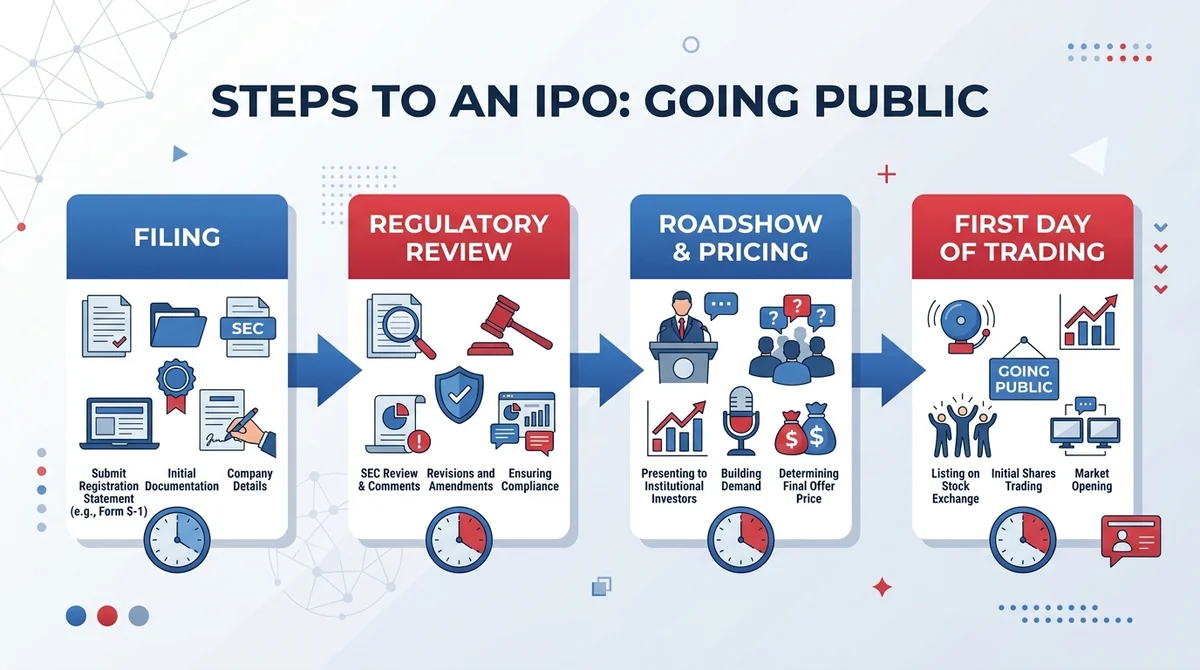
What Is the IPO Process Timeline? A Beginner's Guide to the Stages from Filing to First Day of Trading (2026)
The IPO process timeline maps a company's path from filing its listing application to its first trading day. Here are the four stages: filing, regulatory review, roadshow pricing, and debut.
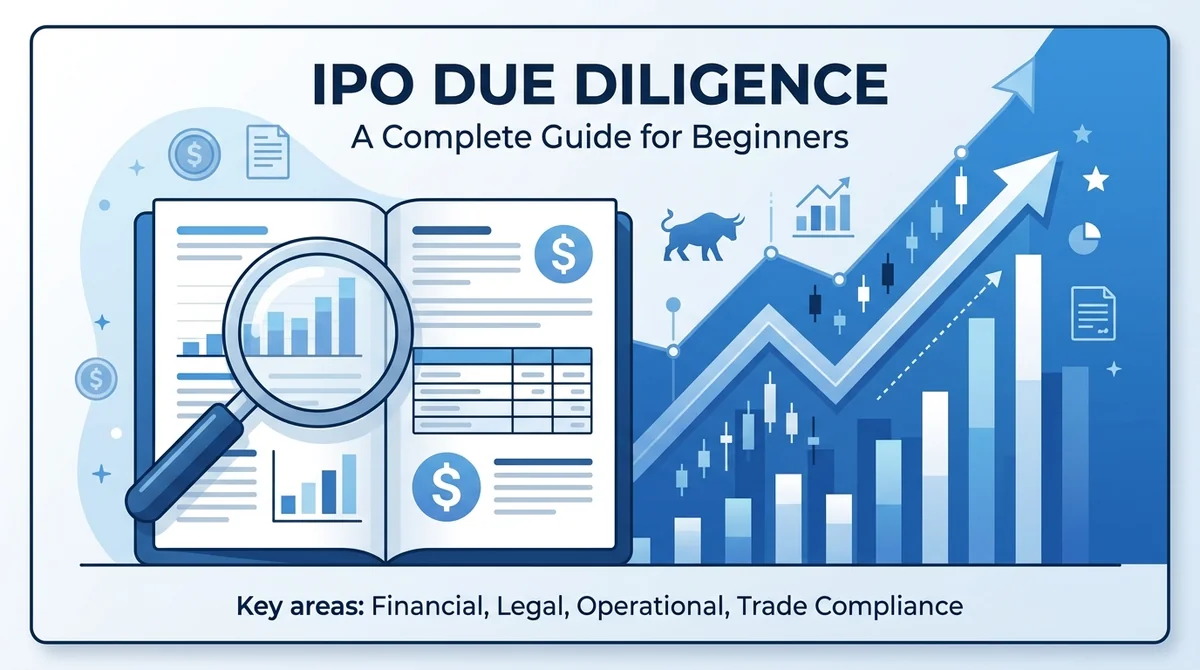
What Is IPO Due Diligence? A Complete Guide for Beginners
Learn what IPO due diligence is, how the process works, key areas reviewed, and common pitfalls. A beginner-friendly guide to preparing for a public offering.
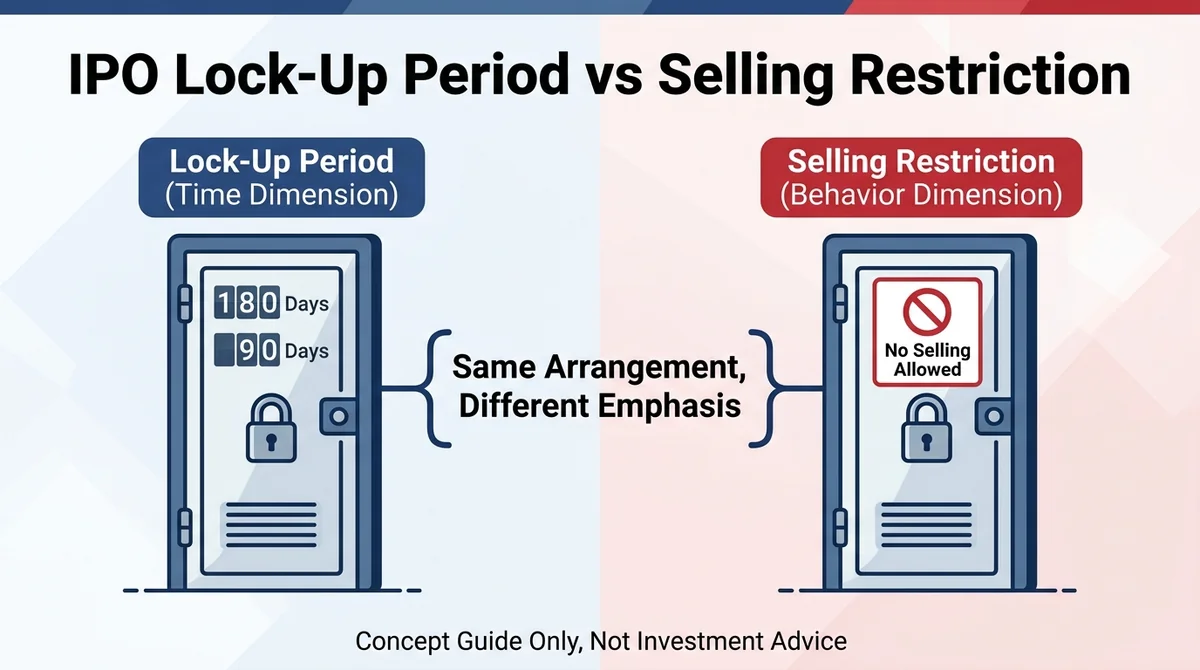
Are IPO Lock-Up Period and Selling Restriction the Same? A Beginner's Guide to the Terms (2026)
IPO lock-up period and selling restriction usually mean the same thing: certain shareholders can't sell after listing. Here's how the terms differ.
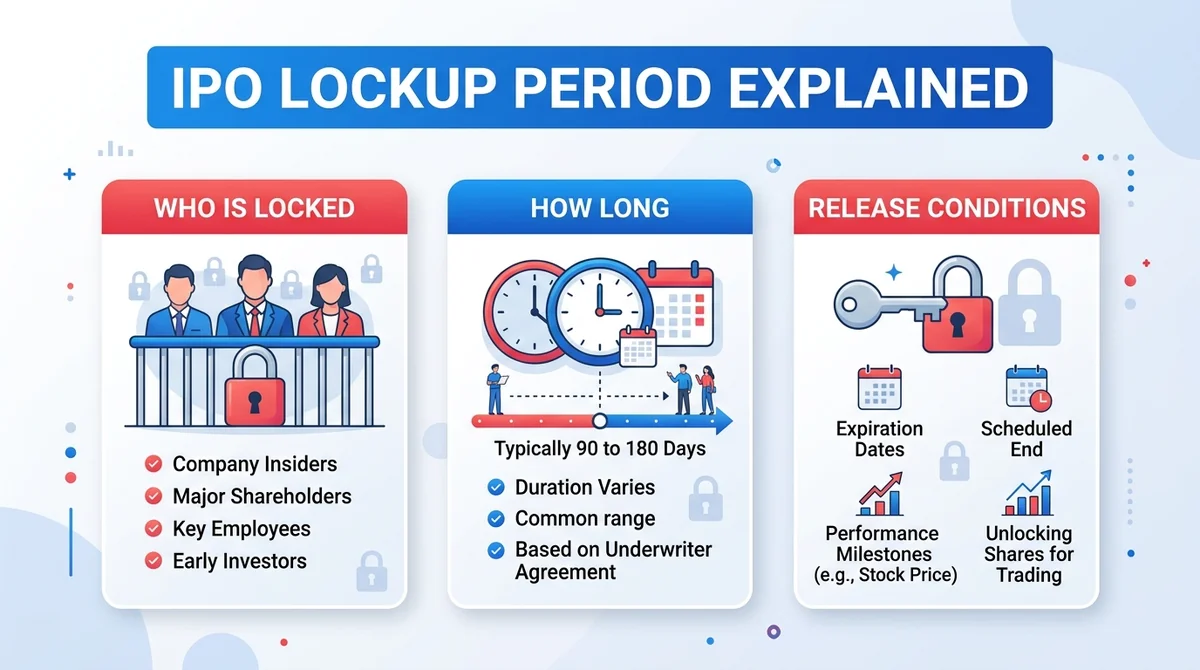
Can't Find a Complete Explanation of IPO Lockup Period? The Glossary Index Gap and How to Look It Up Correctly (2026)
An IPO lockup period bars pre-IPO shareholders and insiders from selling shares for a set time. Glossary entries often give only one line, missing who it applies to, length, and expiry impact.
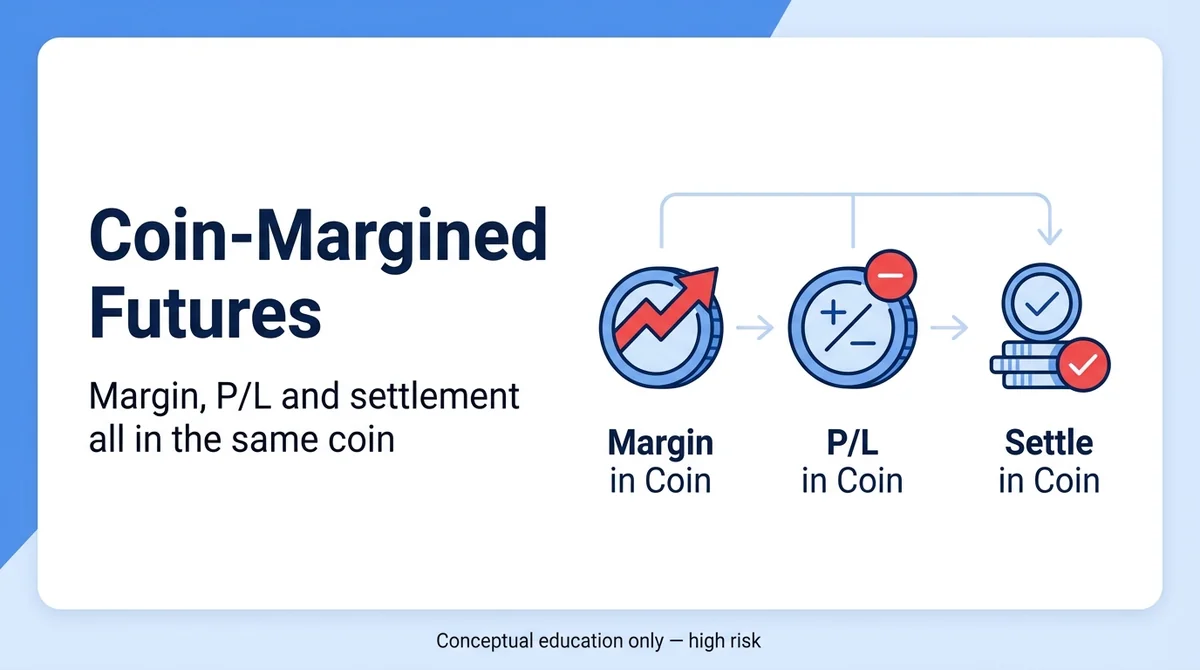
Coin-Margined Futures
A coin-margined contract uses crypto itself as margin and settles in that coin, unlike USDT-margined futures. Learn how it works, margin mechanics, and risks.
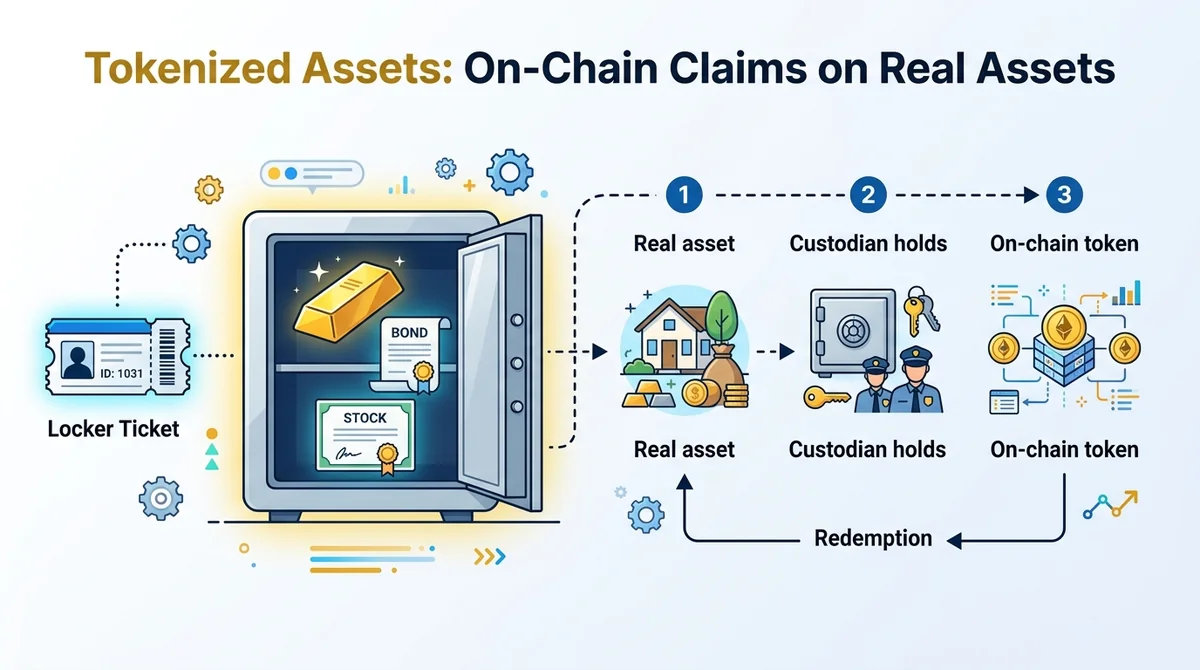
Tokenized Assets
Tokenized assets represent real-world stocks, bonds and gold as blockchain tokens. Learn how tokenized stocks, bonds and gold work, plus issuer and redemption risks.
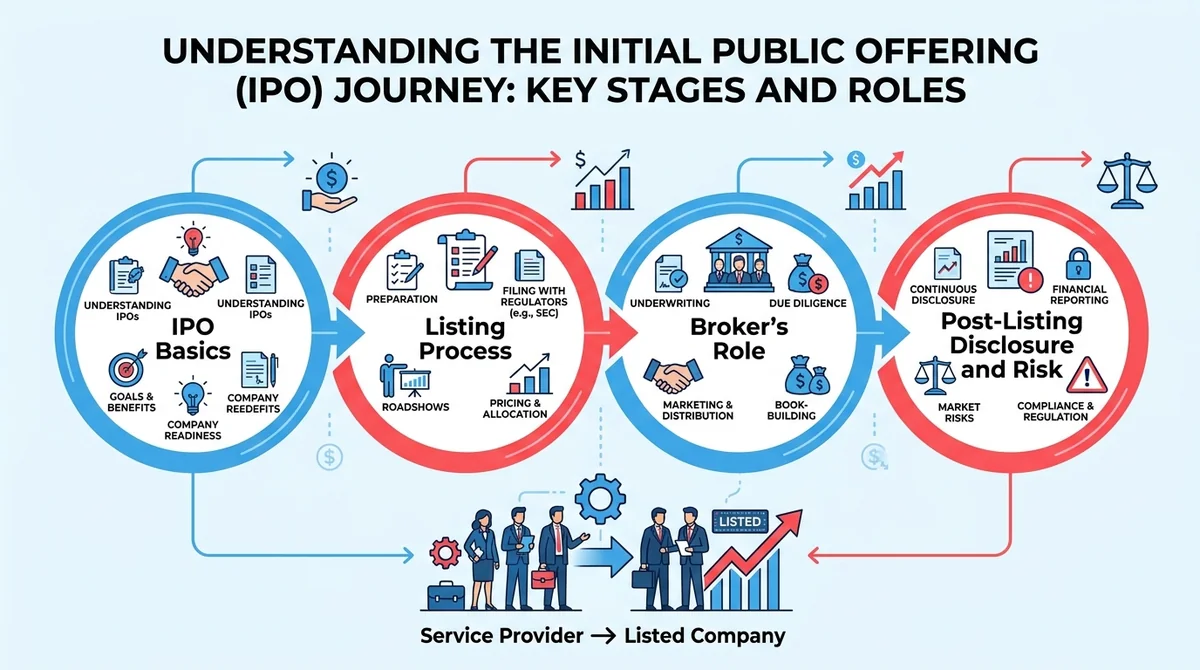
What to Read After the Interactive Brokers IPO Parent Page? A Chained Reading Path for Broker Listing Terms (2026)
Broker listing terms depend on each other. Read them in order—IPO basics, listing process, post-listing disclosure and risk—to build a complete framework faster.
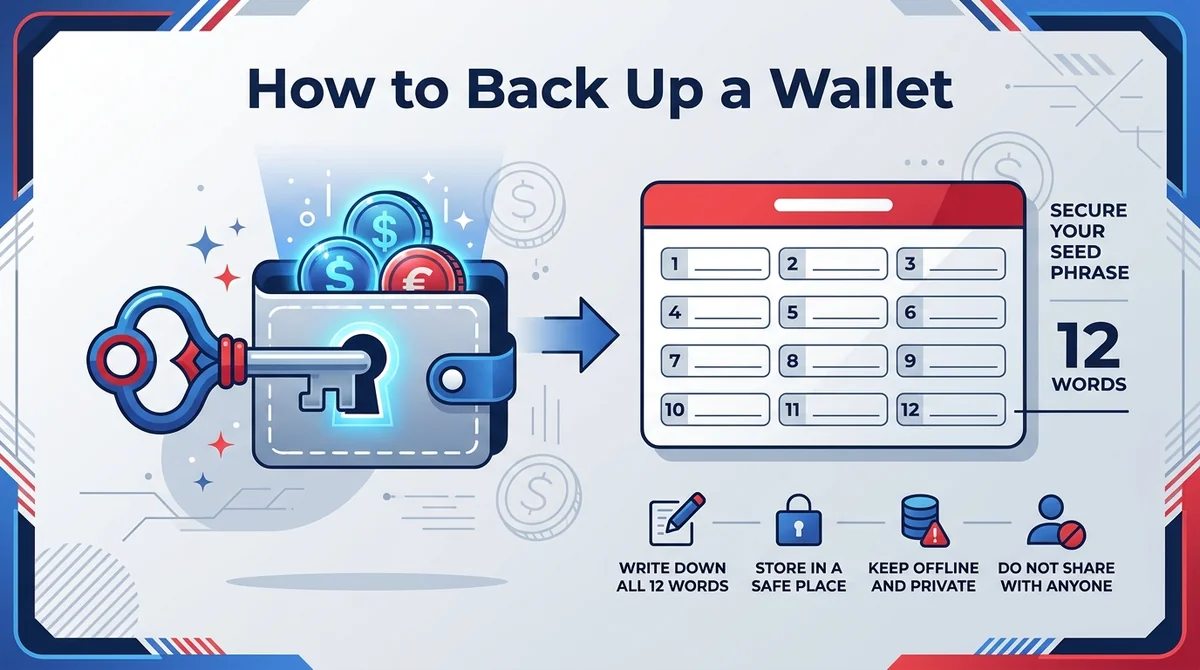
How to Back Up a Wallet
Backing up a wallet means backing up the seed phrase or private key. Assets live on-chain; the credential is the only key. Learn the how-to and scams.
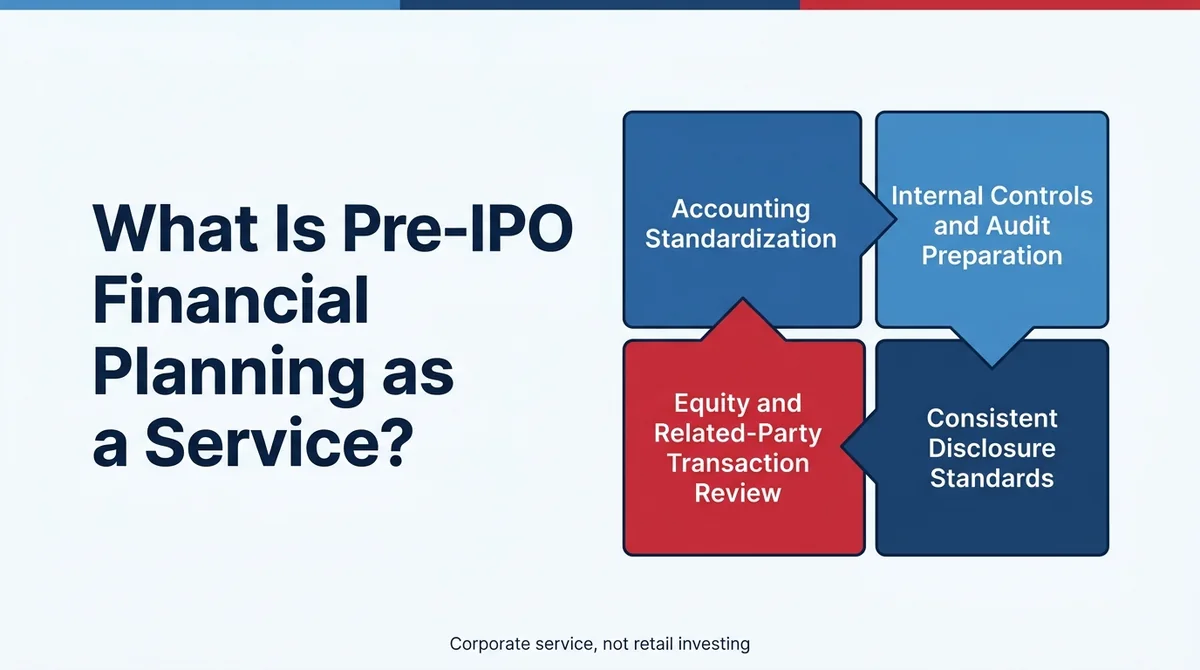
What Is Pre-IPO Financial Planning as a Service? Term Index Gaps and How to Verify It (2026)
Pre-IPO financial planning is a corporate service helping companies standardize finances, build internal controls, and prepare disclosures before an IPO. Here's how to verify it.

What Is Crypto Storage? A Beginner's Guide to Crypto Asset Storage and Self-Custody (2026)
Crypto storage is how you hold and safeguard crypto assets, and it comes down to private keys. Learn custody vs self-custody, hot vs cold wallets, and seed phrase risks.
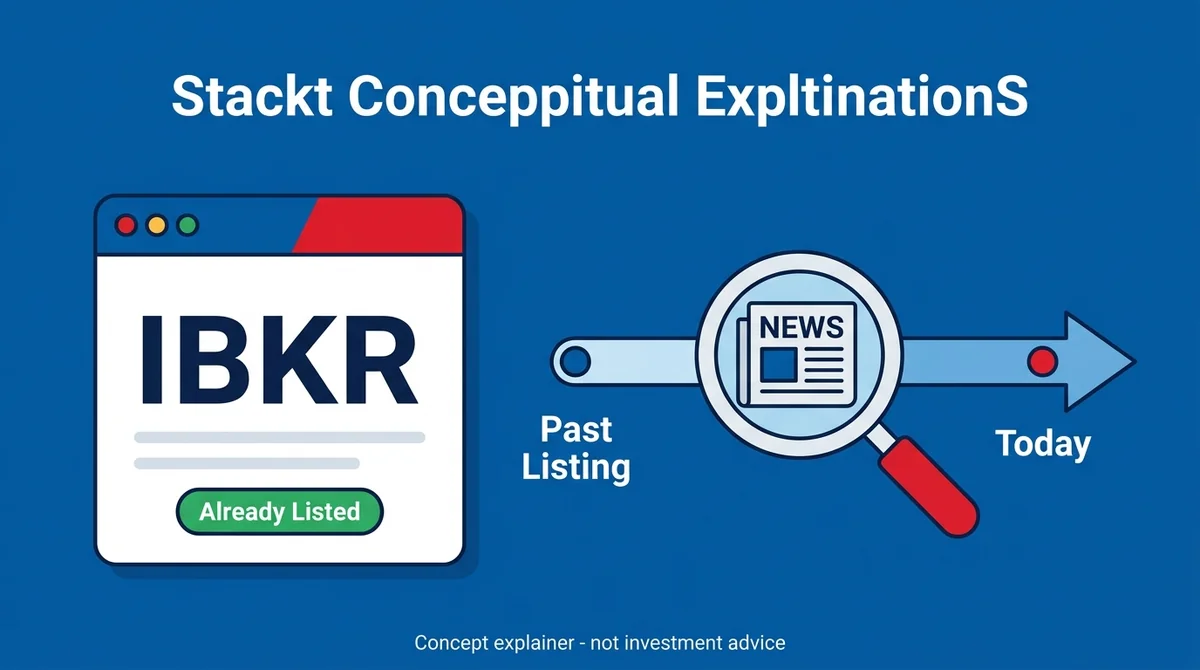
How to Read the 'Interactive Brokers IPO' Entry: A Beginner's Guide to Broker Listing Terms (2026)
What does IBKR IPO mean? Interactive Brokers is already publicly listed. Learn the difference between a broker going public and underwriting an IPO, plus issue price, prospectus, underwriter, and lock-up terms.
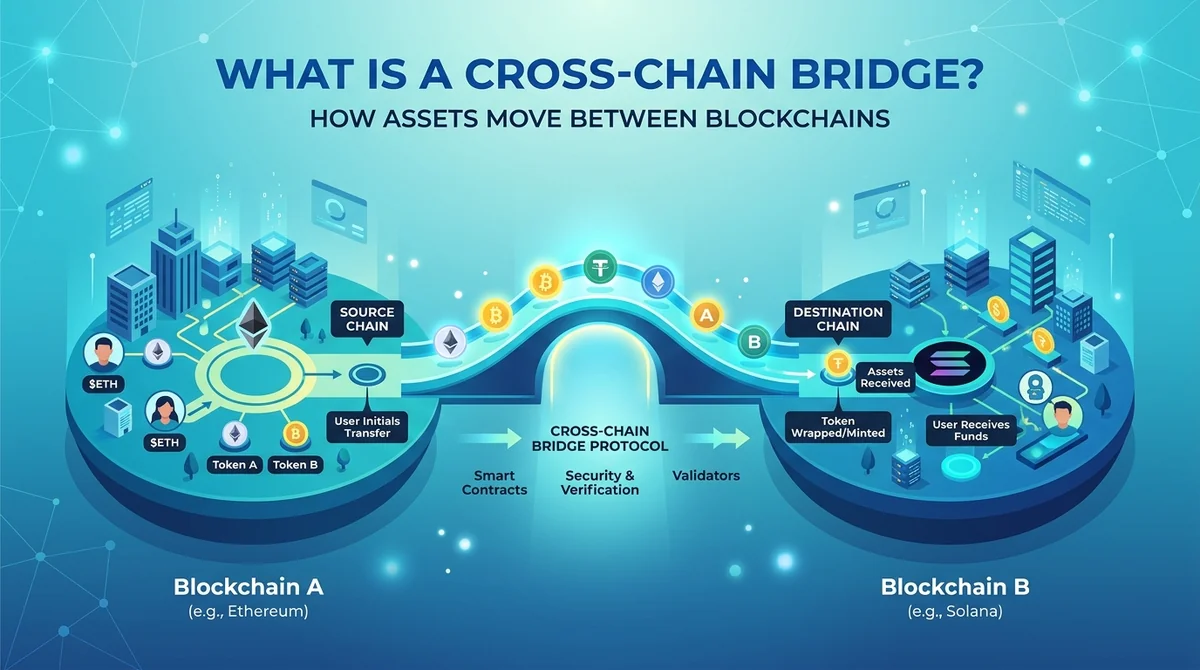
Bridge
A cross-chain bridge connects two independent blockchains so assets or data can move between them. Learn how bridges work, common types, key steps, and main risks.
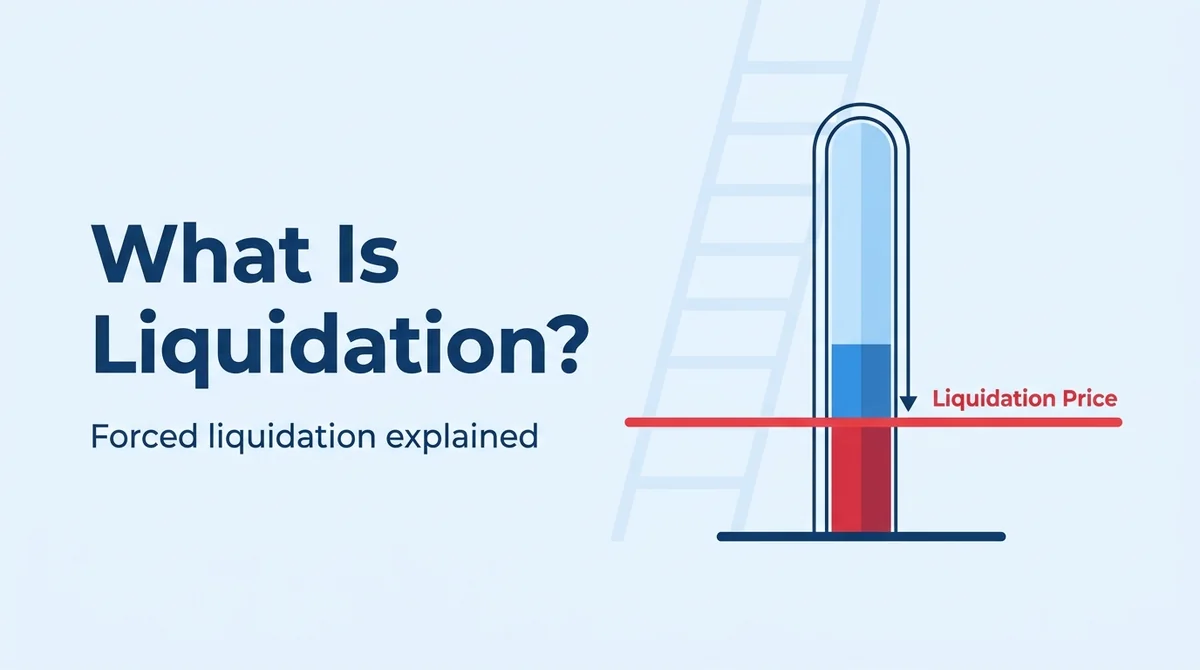
Liquidation
Liquidation is the platform's auto-close risk control when margin runs low. Learn what sets liquidation price, cross vs isolated, and wallet safety.
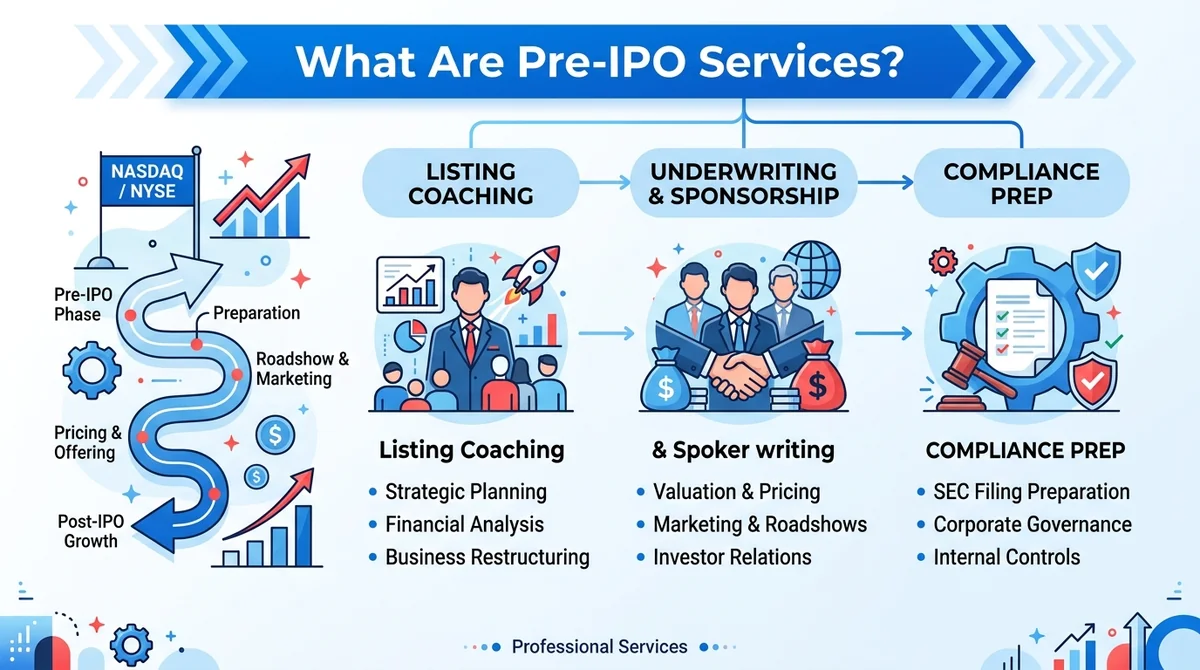
What Are Pre-IPO Services? A Beginner's Guide to US Listing Coaching, Underwriting and Compliance Prep (2026)
Pre-IPO services cover the coaching, underwriting and compliance prep before a company goes public. A beginner-friendly glossary of what Pre-IPO means, US listing prep steps, parties involved and common myths. Not investment advice.
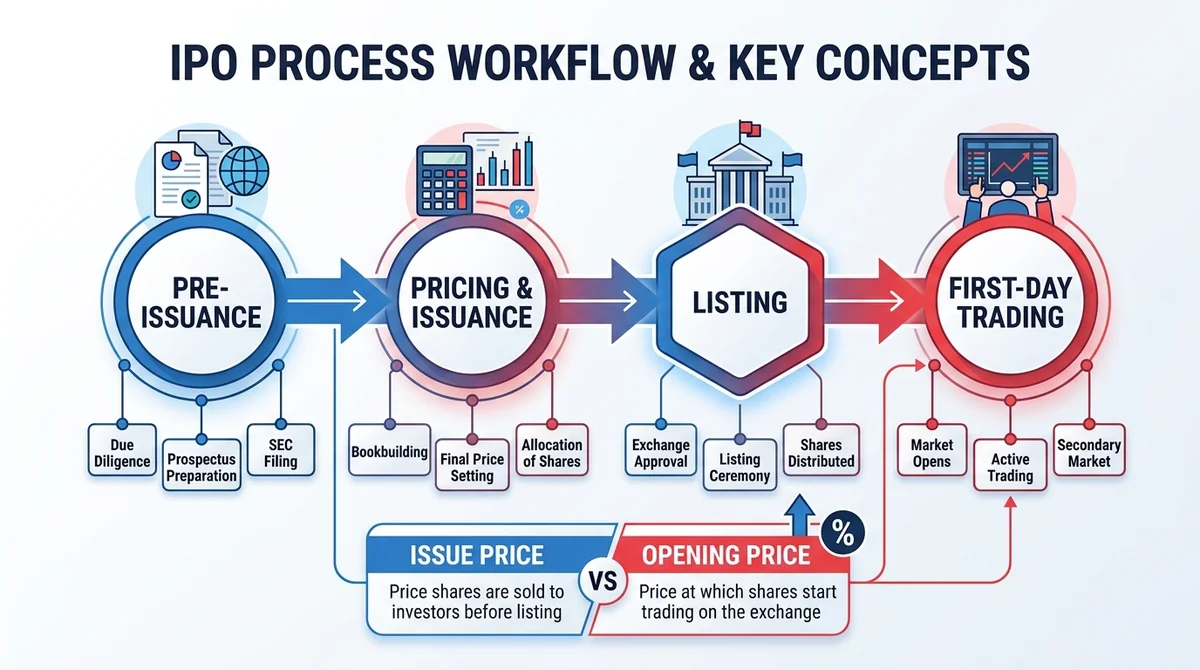
How to Read IPO and Listing Terms Together: A Term Index Path from Issuance to First-Day Trading (2026)
IPO and listing terms split into four stages: pre-issuance, pricing, listing, and first-day trading. Get a term index path and compare similar terms.
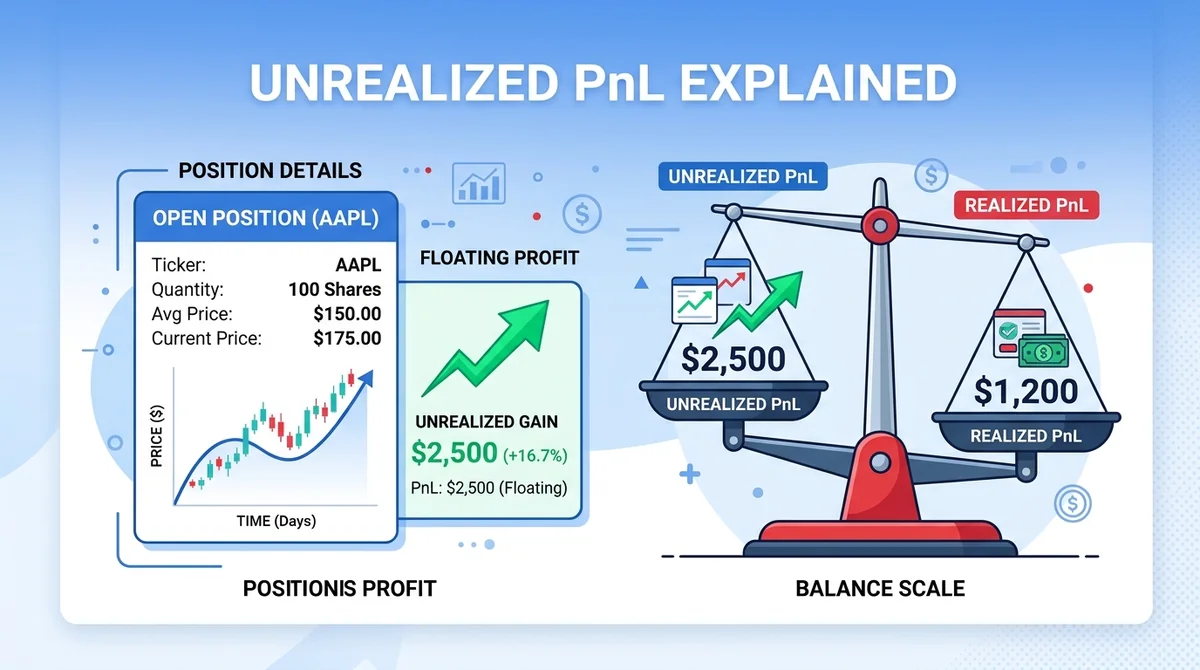
Unrealized PnL
Unrealized PnL is the paper profit or loss on an open position based on current market price. Learn how it's calculated, how it differs from realized PnL, and common pitfalls.
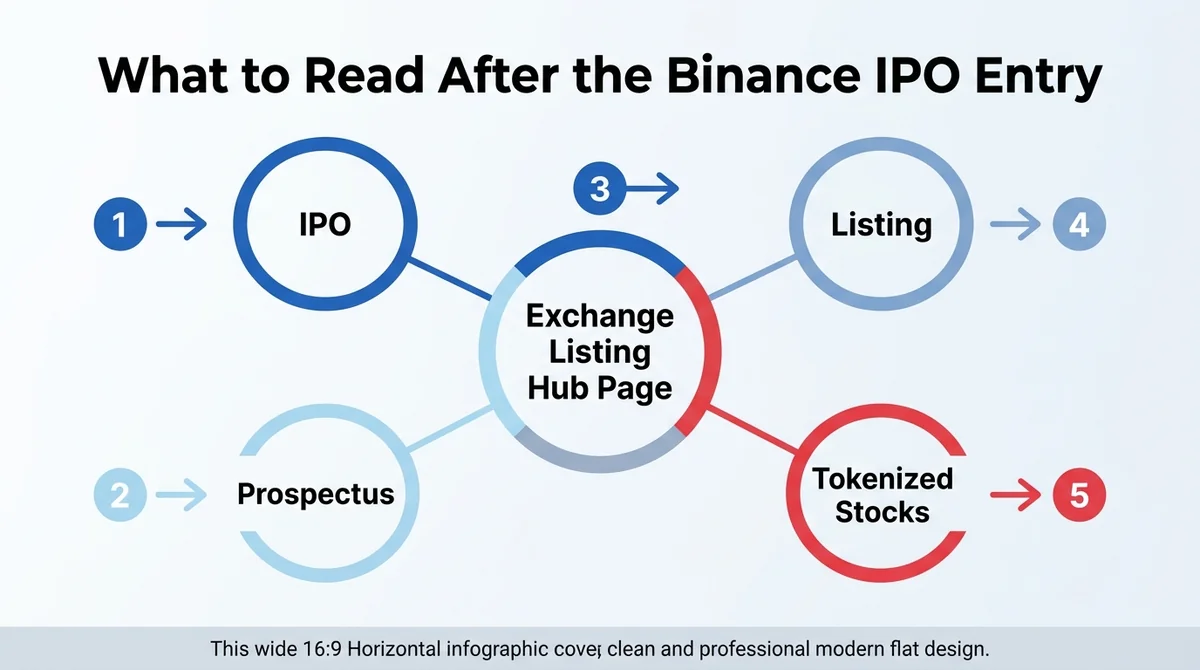
What to Read After the Binance IPO Entry? Chaining Sister Terms on the Exchange Listing Hub Page (2026)
What to read after the Binance IPO entry? This guide uses the exchange listing hub page to chain IPO, listing, prospectus, and tokenized stocks into one reading path.
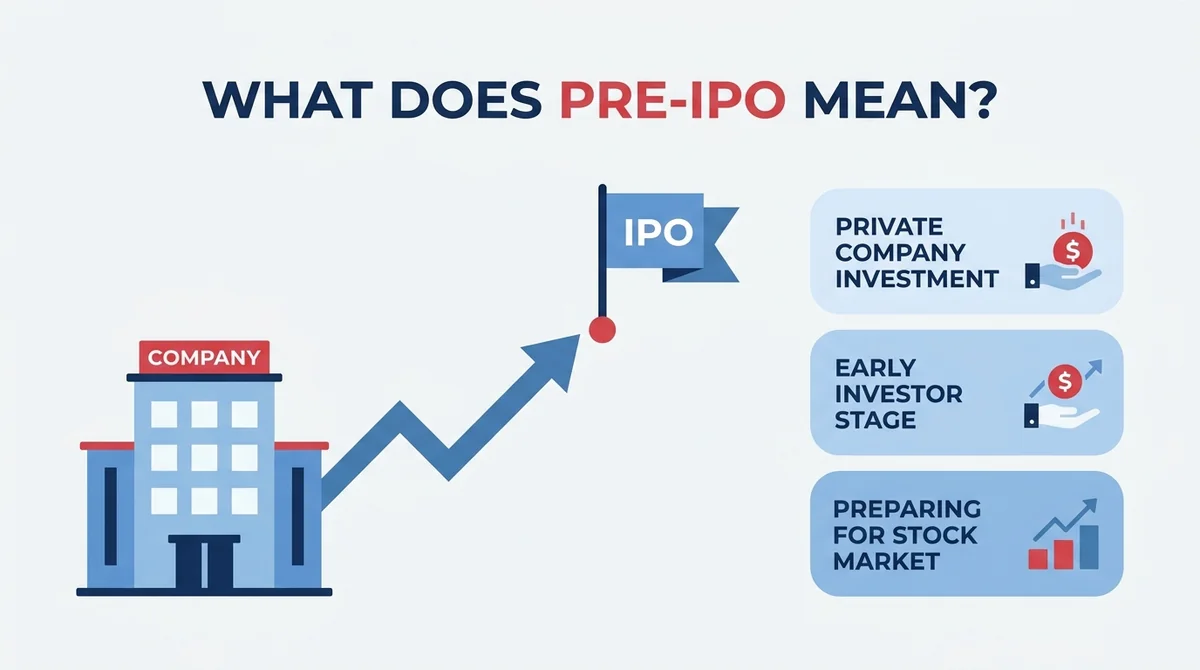
What Exactly Does Pre-IPO Mean? A Beginner's Guide to the Pre-Listing Stage and Common Terms (2026)
Pre-IPO refers to the stage before a company's initial public offering. It's a time period, not a product. Plain-English meaning, company status, terms and risks.
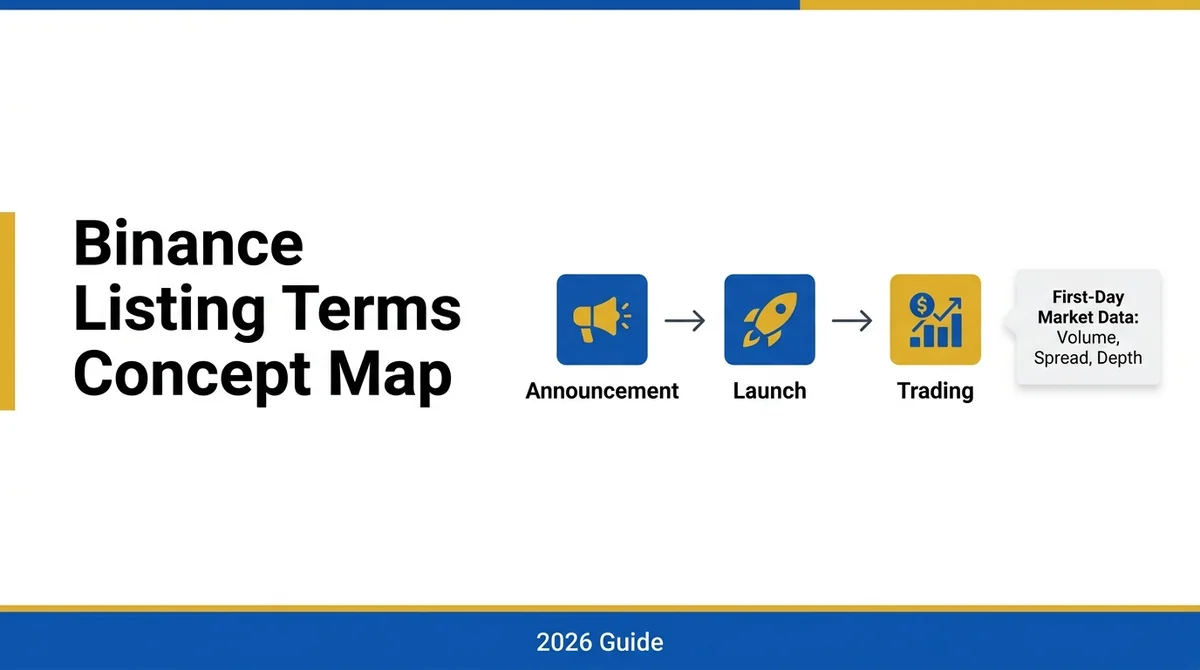
How to Read Binance Listing Terms as a Concept Map: From Listing Meaning to First-Day Market Data (2026)
Listing on Binance means a token is added to the exchange's tradable list—not a value endorsement. Read token listing terms in three stages: announcement, launch, trading.
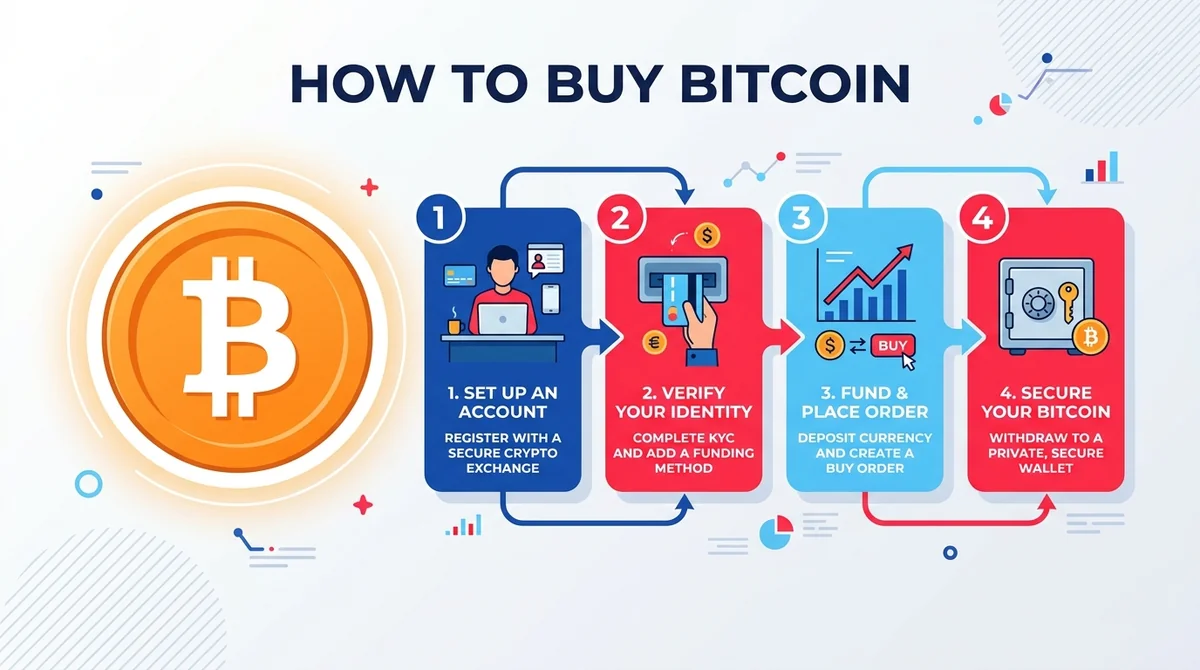
How to Buy Bitcoin
How to buy bitcoin: the three things to prepare, platform registration and verification, funding and placing an order, checking holdings, custody, selling, and scam prevention.
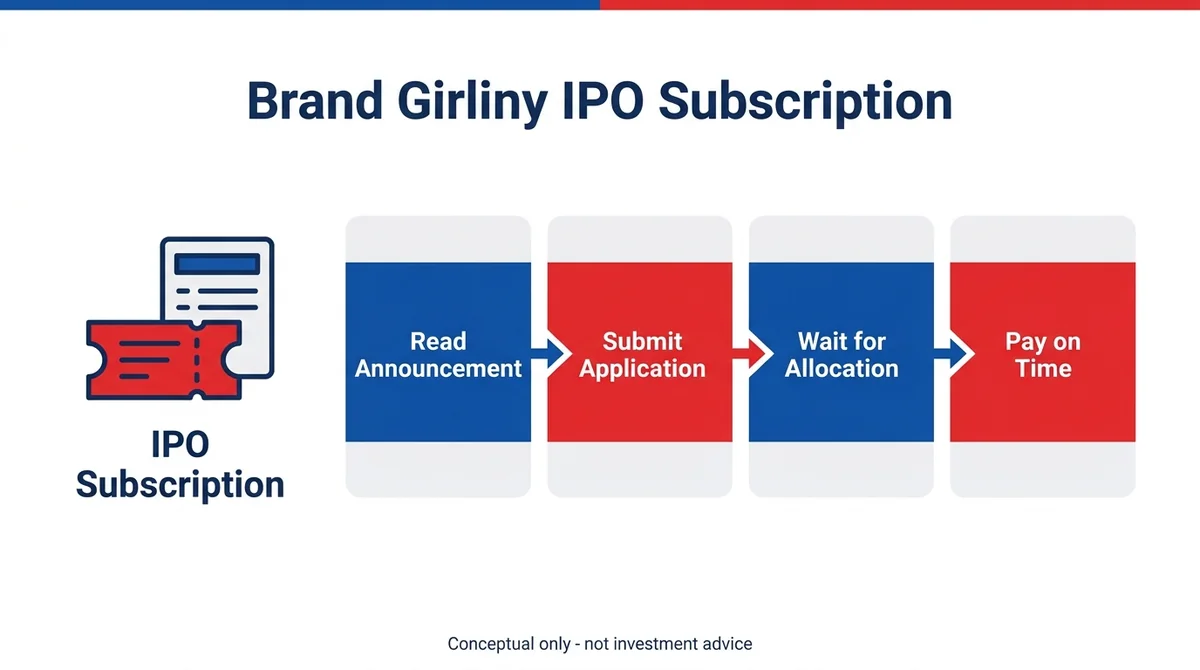
How to Join an IPO: What Is an IPO Subscription?
An IPO subscription means applying for new shares at the issue price before listing. Learn eligibility, the four-step process, allocation, and break-issue risk.
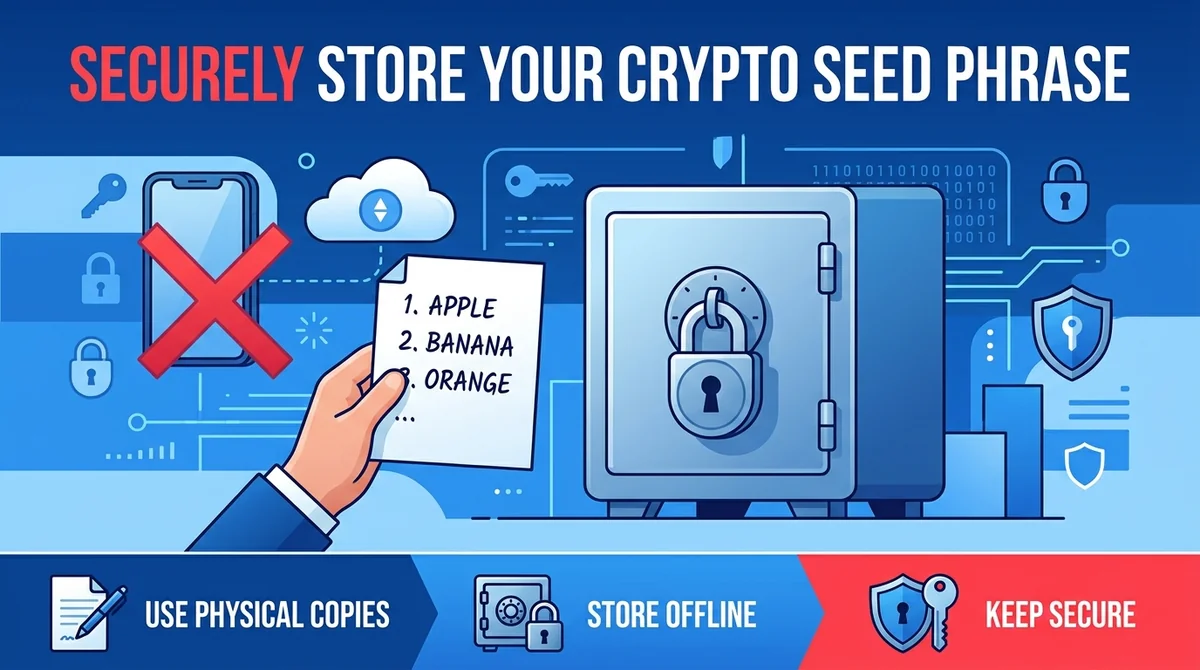
How Does Cold Storage Work? Offline Private Keys and Seed Phrase Backup Explained (2026)
Cold storage keeps private keys offline. Learn how offline keys and seed phrase backups work, plus common risks, so beginners understand how to store crypto.
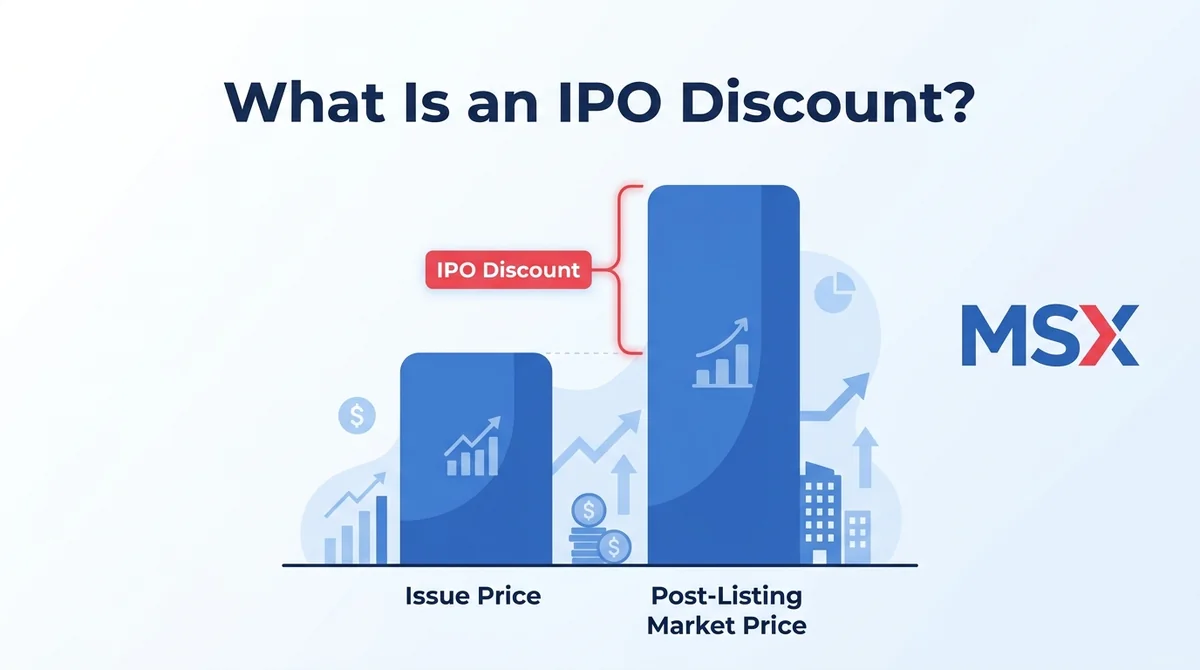
What Is an IPO Discount? A Beginner's Guide to Below-Market Issue Pricing (2026)
An IPO discount is the gap between the issue price and the post-listing market price. Learn why new shares are priced at a discount, what moves the size of it, and the break-issue risk.
What Should You Read Beyond the Hardware Wallet Page? A Reading Path for Cold Storage and Private Key Custody Terms (2026)
A hardware wallet is just a tool for keeping private keys offline. Read cold storage, private keys, seed phrases, backup and recovery terms in the right order.
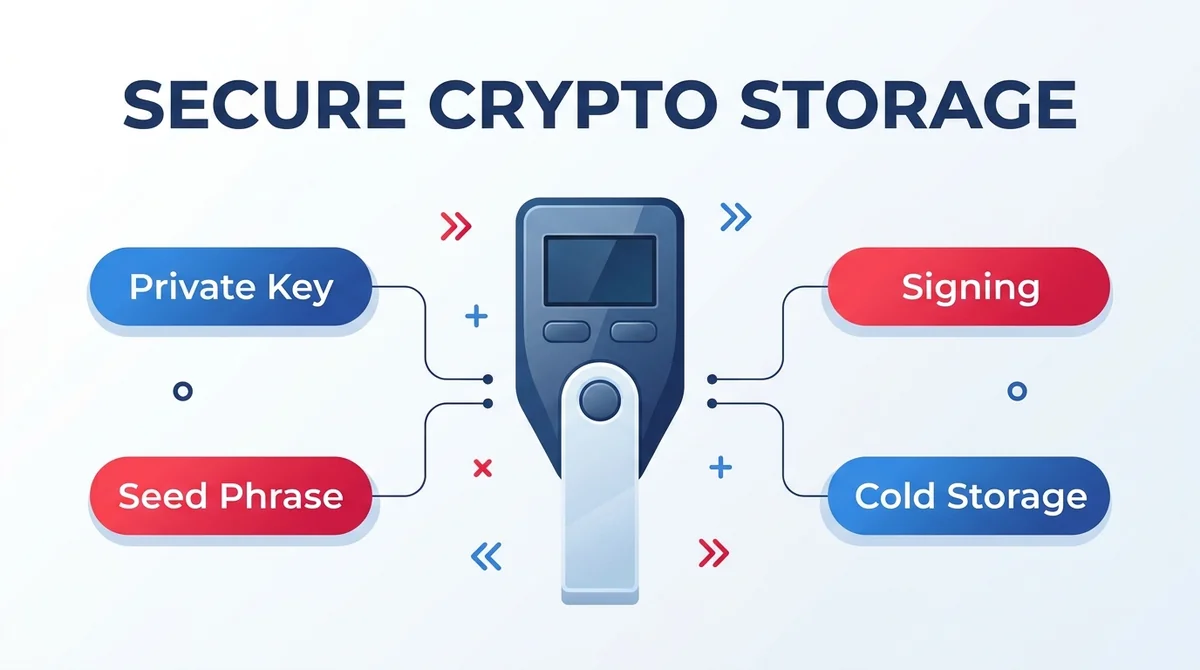
What to Read Next After a Hardware Wallet? Connecting the Core Concepts of Private Key Storage (2026)
A hardware wallet stores private keys offline and signs on-device; assets stay on-chain. Link private keys, seed phrases, signing and cold storage into one security map.
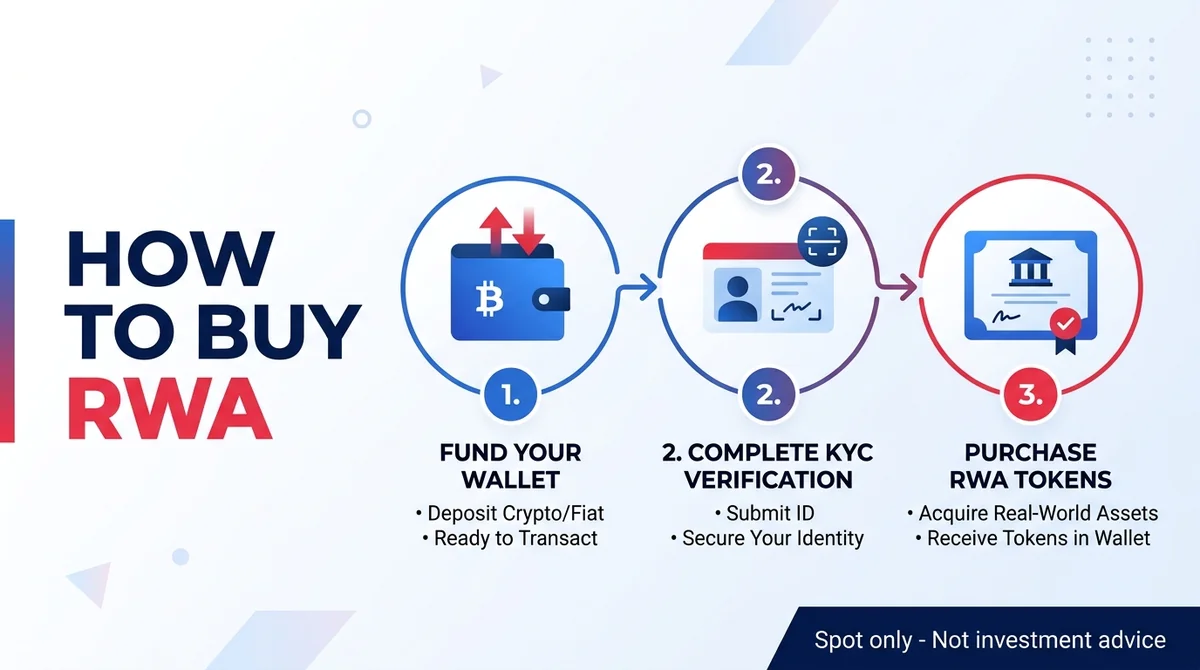
How to Buy RWA
Before buying RWA, set up a crypto wallet and stablecoins, then verify, deposit, and place a spot order on a supported platform. Watch issuer and contract risks.
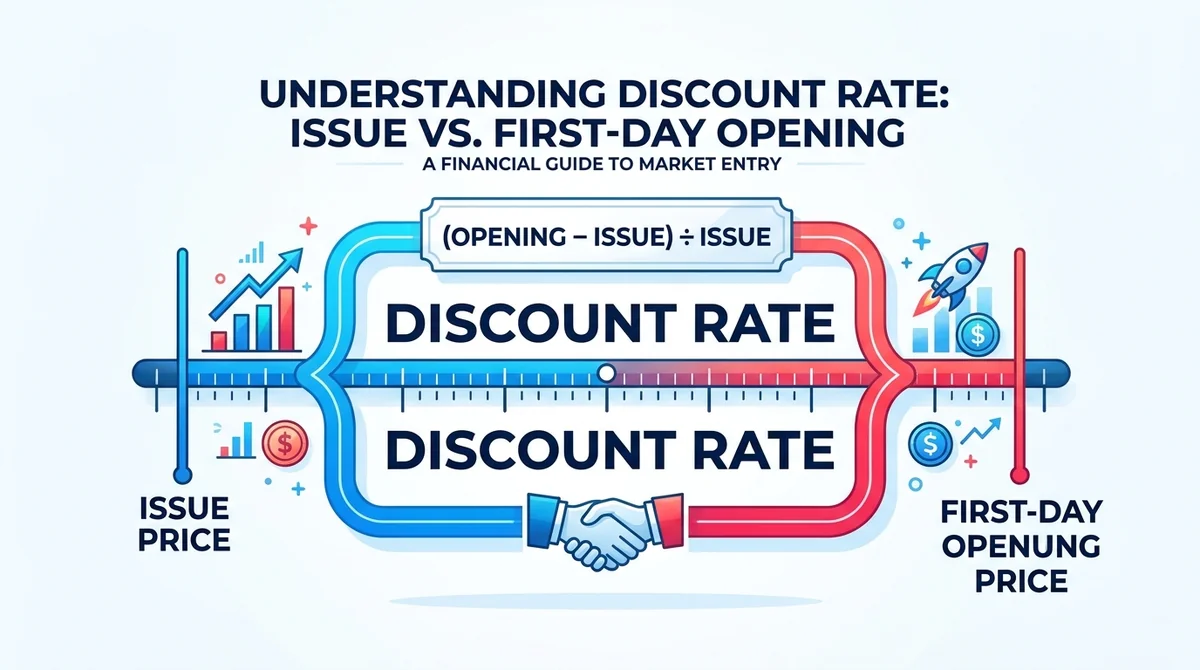
How to Read the Discount Rate in an IPO Discount? A Primer on the Gap Between Issue Price and First-Day Opening Price (2026)
The IPO discount rate measures the gap between issue price and first-day opening price, calculated as (first-day open − issue price) ÷ issue price.
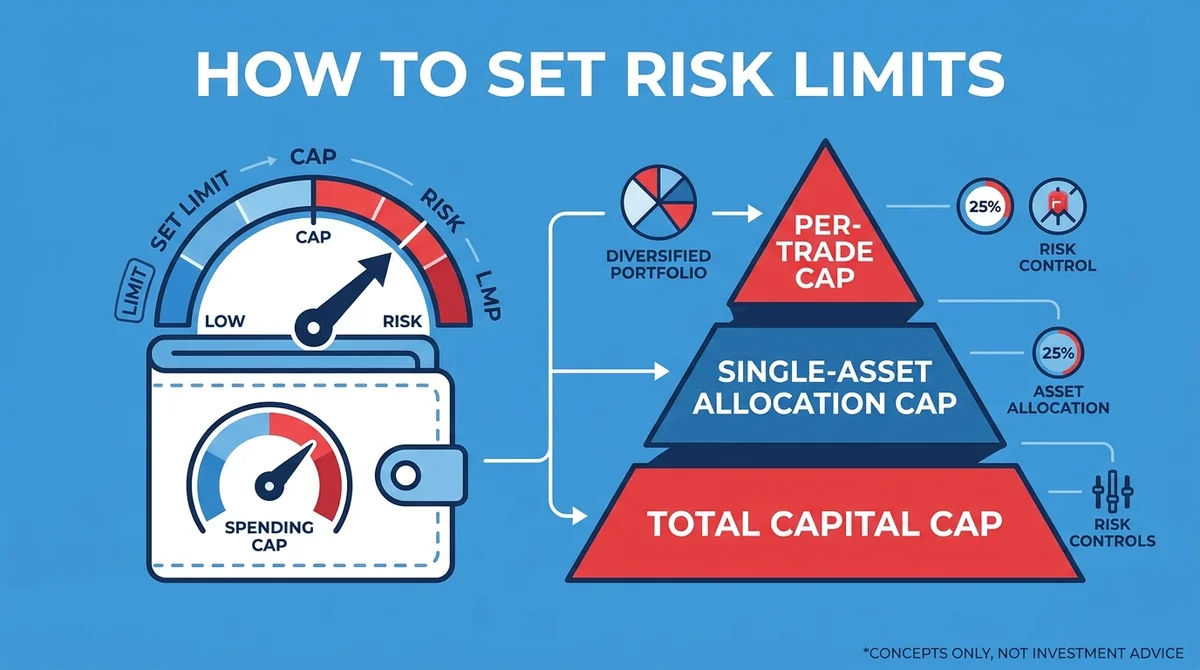
How to Set Risk Limits
Risk limits are the maximum loss you accept before you start trading. Learn a 3-step method: per-trade cap, total cap, and single-asset cap.
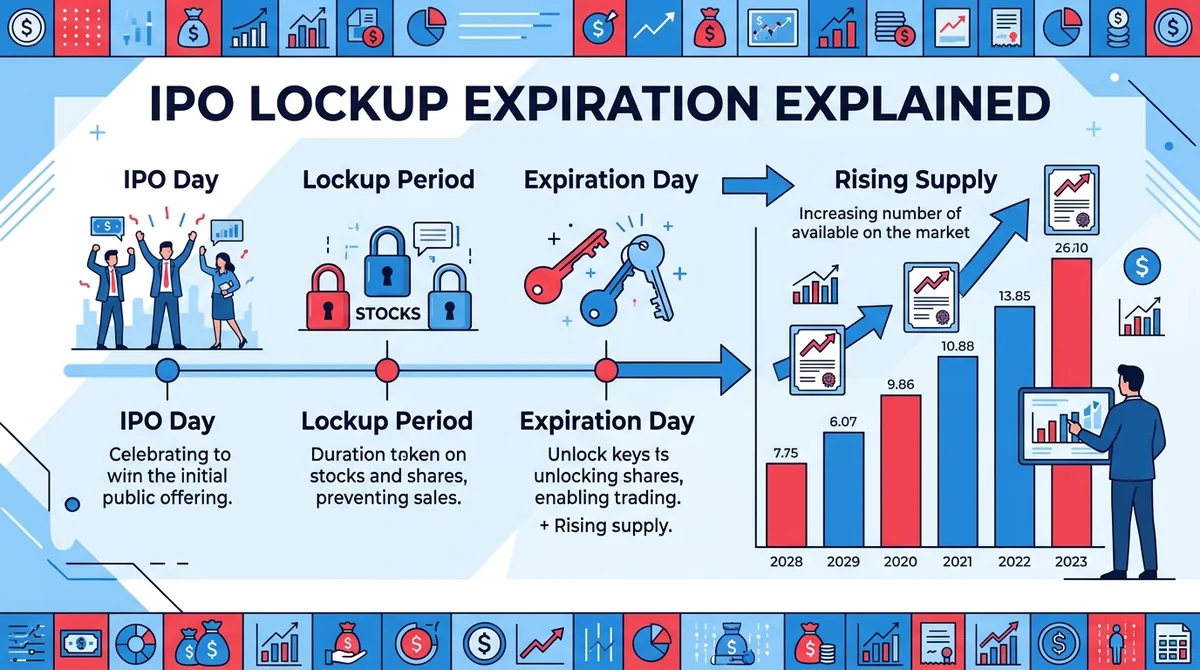
What Does an IPO Lockup Expiration Mean? A Beginner's Guide to Supply and Demand Shifts Before and After the Unlock (2026)
An IPO lockup expiration lets insiders sell their shares, raising potential supply—but it doesn't mean the stock must fall. Here's what beginners should know.
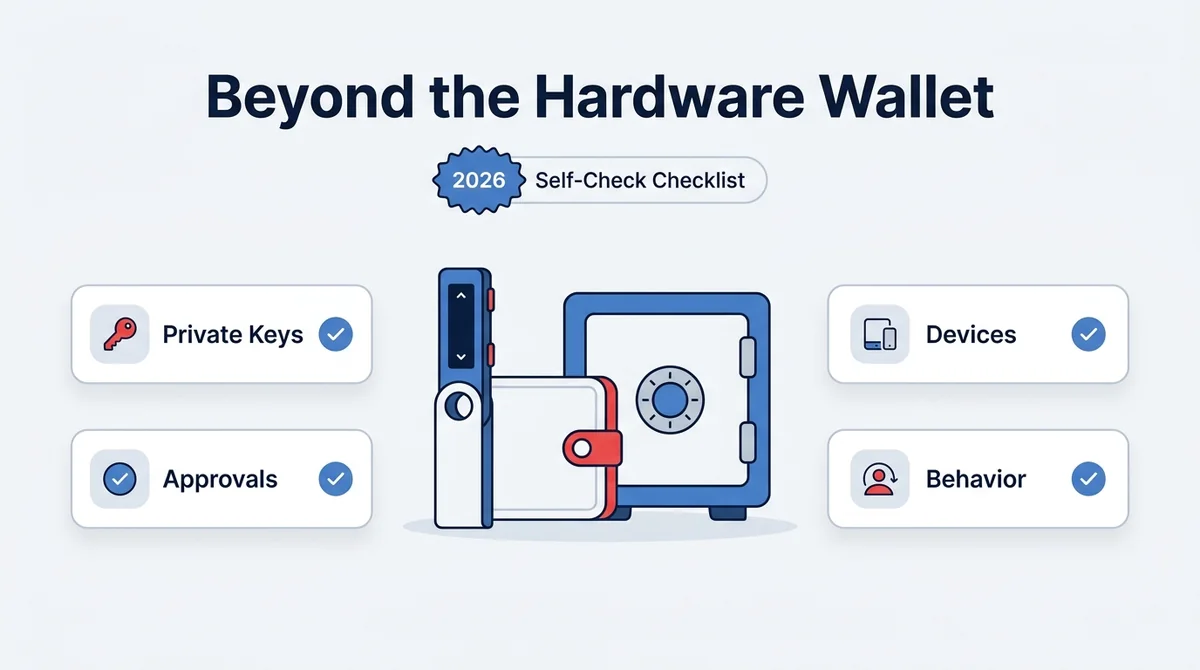
Beyond the Hardware Wallet: A Beginner's Wallet Security Self-Check Checklist (2026)
A beginner's wallet security self-check: a hardware wallet only handles offline key storage and signing. Approvals, signatures and phishing need checking too.
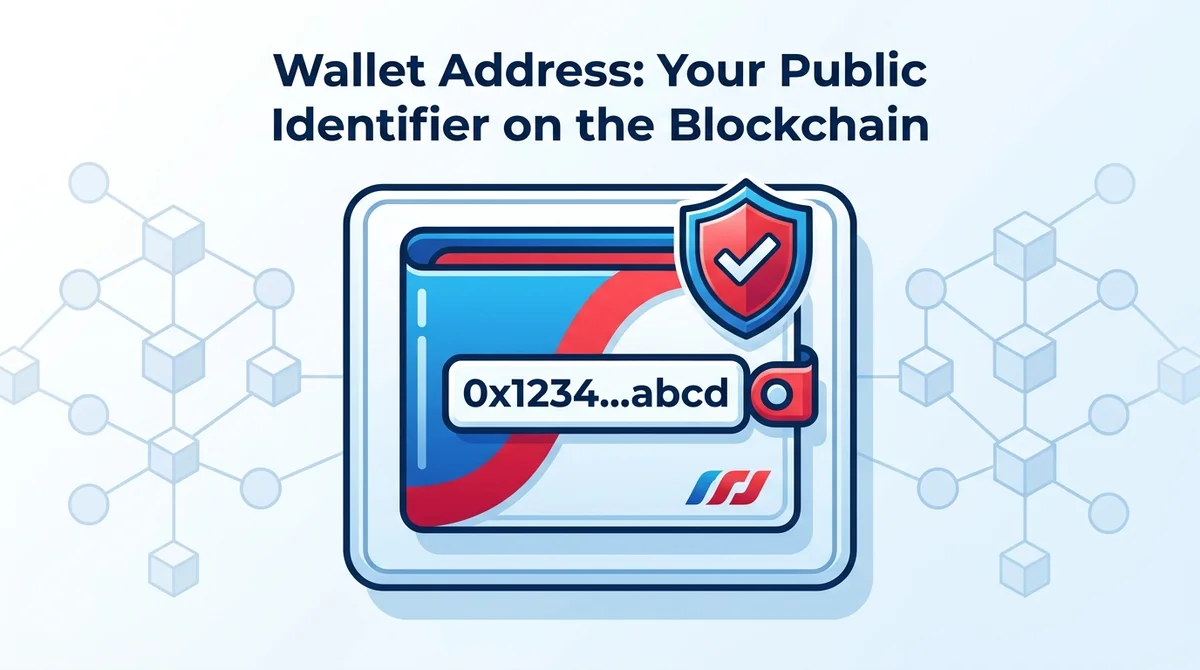
Wallet Address
A wallet address is your public on-chain identifier, like a bank account number. Learn how addresses derive from keys, how to verify before sending, and avoid address scams.
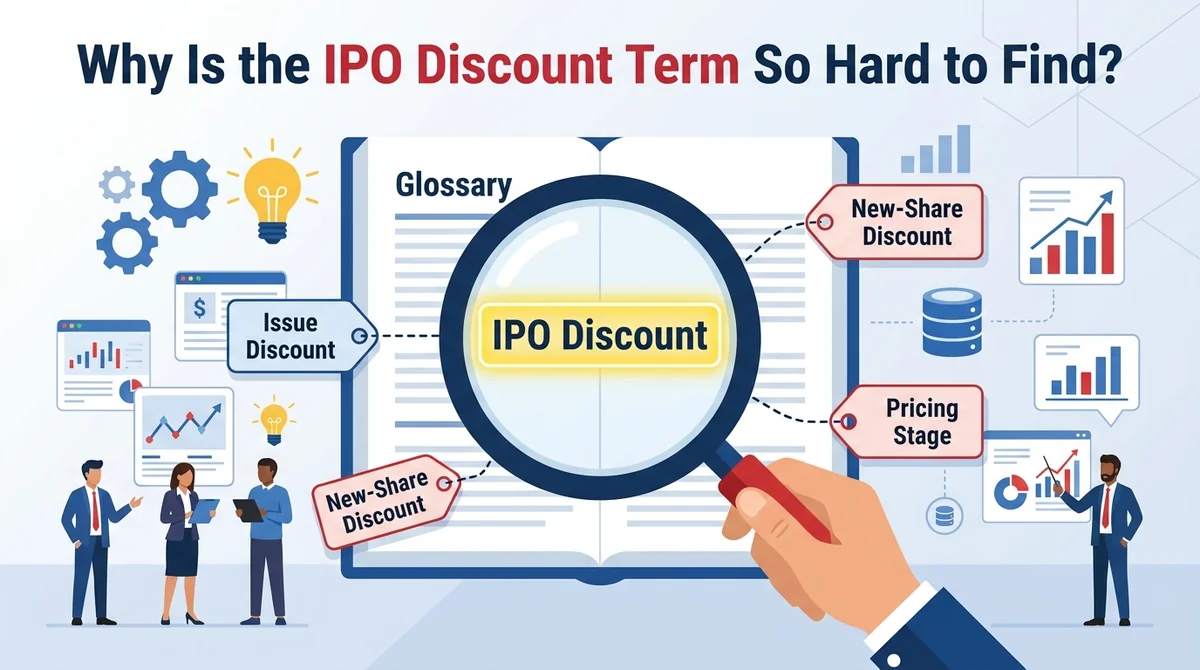
Why Can't You Find a Complete Explanation of the IPO Discount Term? Glossary Gaps and How to Look It Up Properly (2026)
An IPO discount usually means issue price below post-listing market price—a pricing concept, not a coupon. Learn the meaning, why explanations are scarce, and how to verify it.
How to Read IPO Discount Terms Together: A Concept Map from Issue Price to First-Day Open (2026)
IPO discount is a pricing-stage term for the gap between issue price and a reference price. Read issue price, first-day open, subscription and allotment in order.
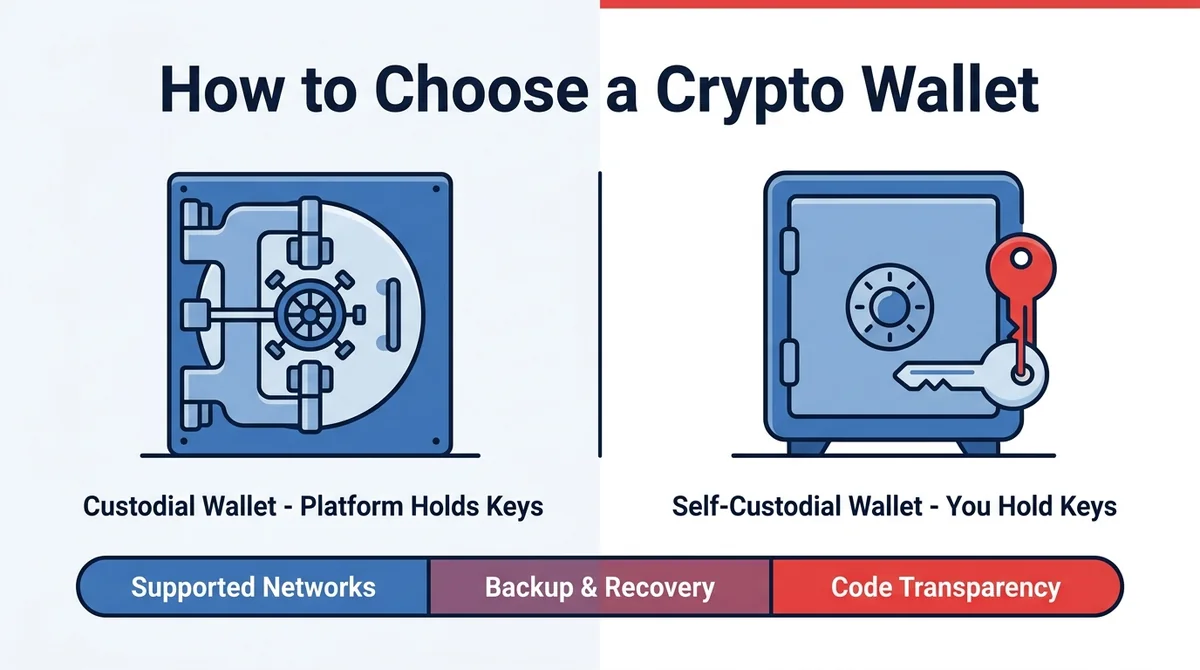
Liquidation: How to Choose a Wallet
A crypto wallet manages keys, not coins. Learn custody vs self-custody, software vs hardware, cold wallets and HD wallets, plus four criteria for choosing one.
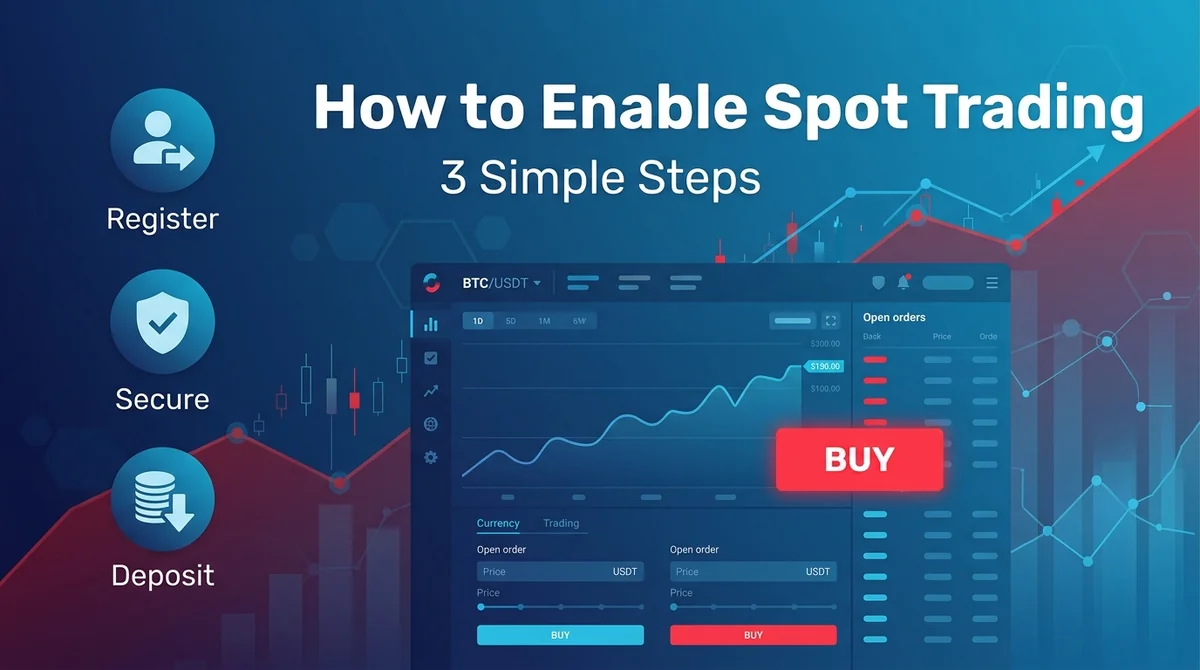
How to Enable Spot Trading
Enabling spot trading takes three steps: register and verify your identity, set up 2FA and other security, then deposit and buy at the current price.
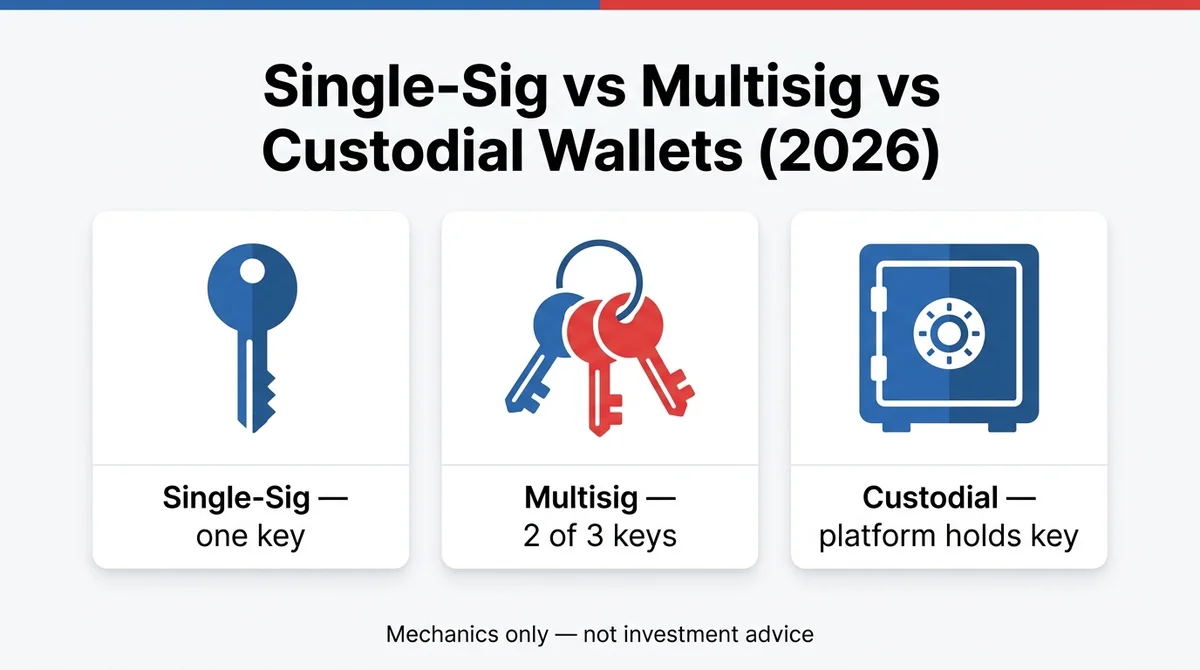
Single-Sig vs Multisig vs Custodial Wallets: Key Differences (2026)
A single-sig wallet is controlled by one private key, a multisig wallet needs a threshold of keys to send funds, and a custodial wallet has a third party hold the keys.
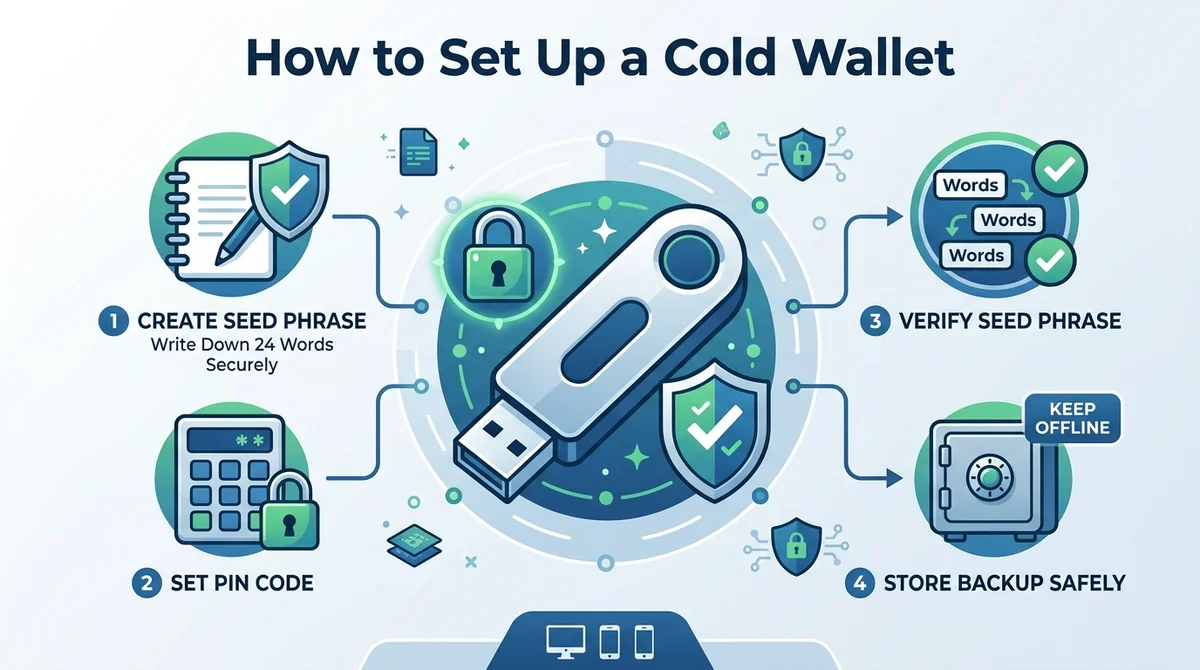
How to Set Up a Cold Wallet
A cold wallet is a hardware device that stores private keys offline, protecting against hackers. This guide covers choosing, initializing, backing up your seed phrase, and transferring assets, plus security tips.
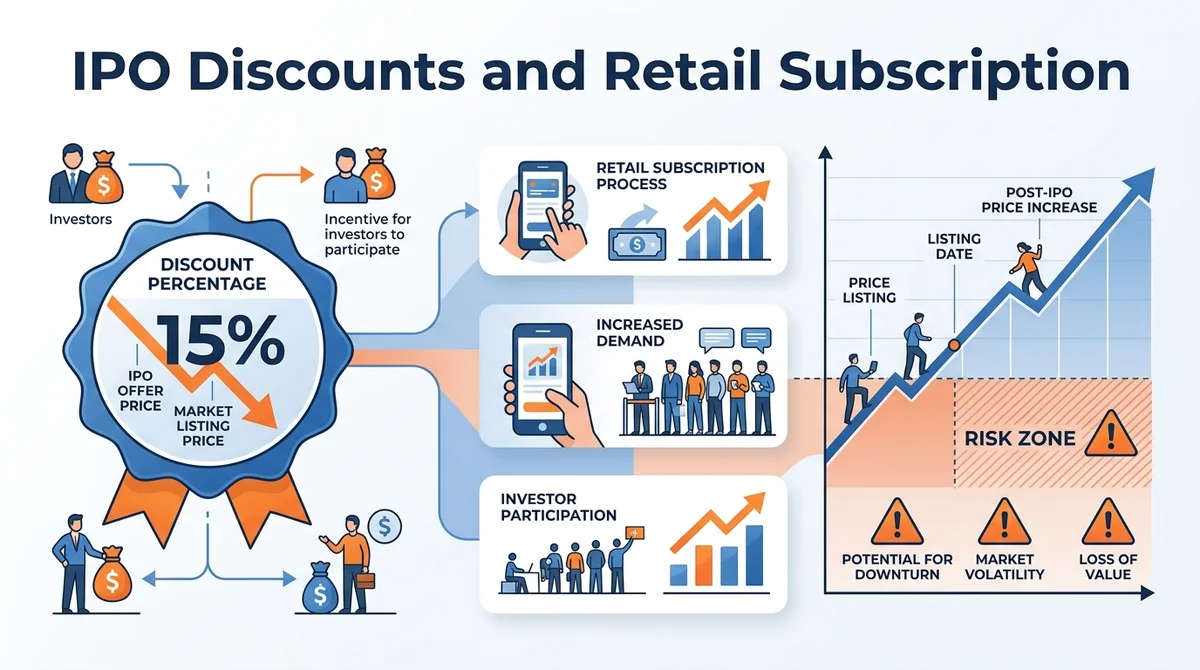
How Do IPO Discounts Affect Retail Subscription? Discount Mechanisms and Risks Beginners Must Know in 2026
IPO discount is the issue price below expected listing price, offering potential safety margin for retail investors, but a large discount may signal weak confidence. Learn mechanisms, impacts, and risks.
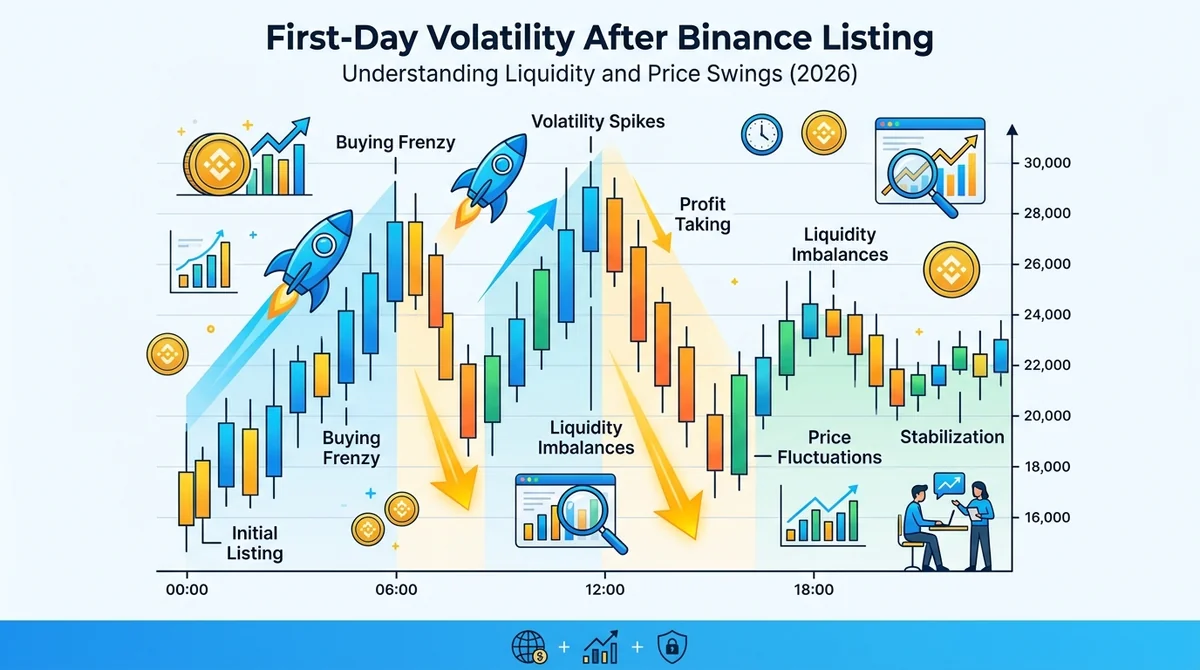
Post-Binance Listing Price Volatility: How Beginners Can Understand First-Day Market Movements and Liquidity Changes (2026)
First-day price swings after Binance listings stem from low liquidity, thin order books, and concentrated investor sentiment. Learn how to read the moves.
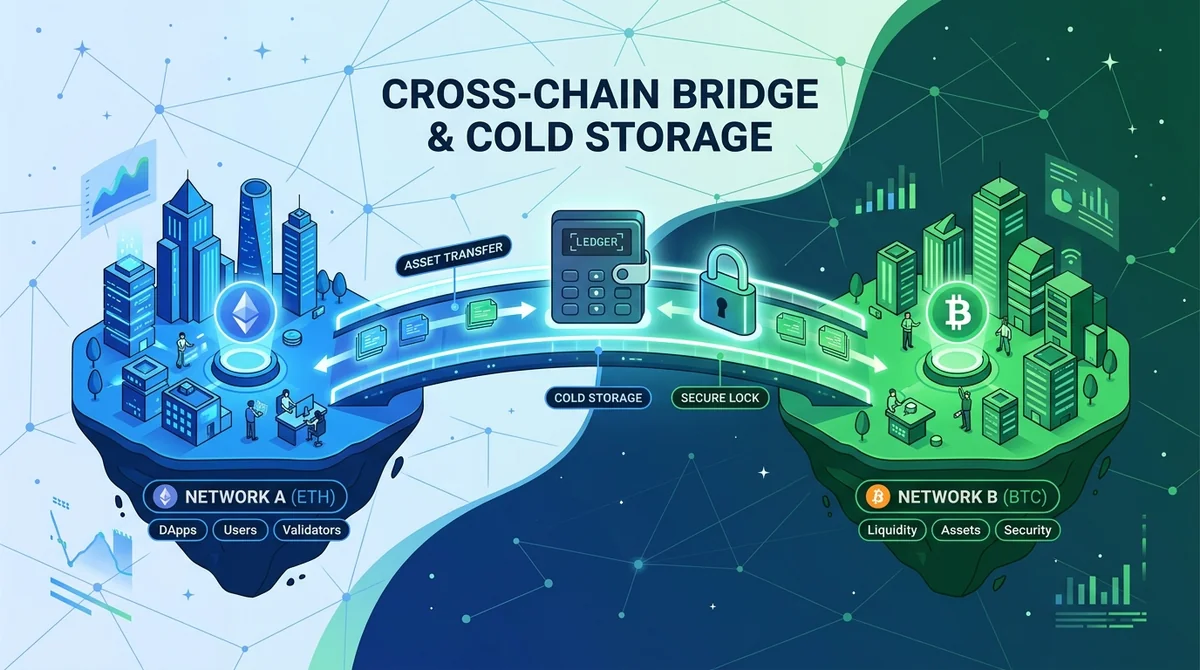
Cross-Chain Bridge and Cold Storage
Cross-chain bridges move assets between blockchains; cold storage keeps private keys offline. Combined, cold storage can't eliminate bridge smart contract risk.
What Does a Binance Listing Mean? The Process and Impact of Tokens Landing on the Exchange (2026)
A Binance listing means a token passes review and opens trading pairs on Binance, allowing users to buy and sell. This article explains the listing process, criteria, impact, and risks—a must-read for beginners.
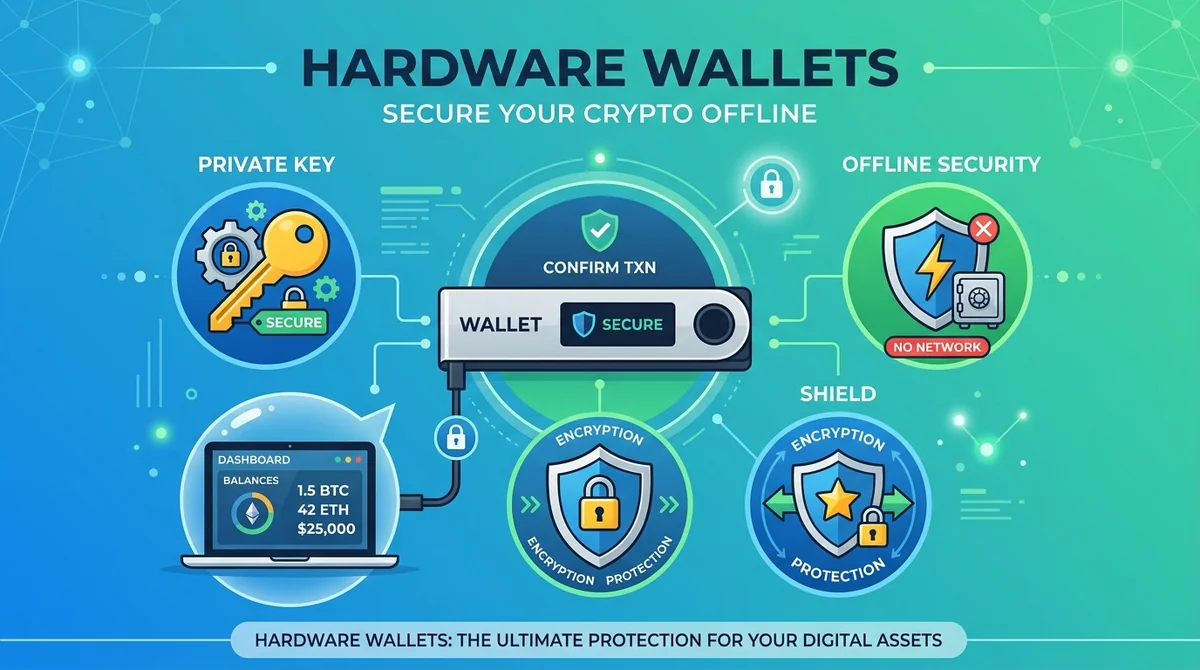
Hardware Wallets
A hardware wallet is a physical device that stores crypto private keys offline. Transaction signing happens on-device, keeping keys offline. Learn how it works, pros and cons, and withdrawal steps.
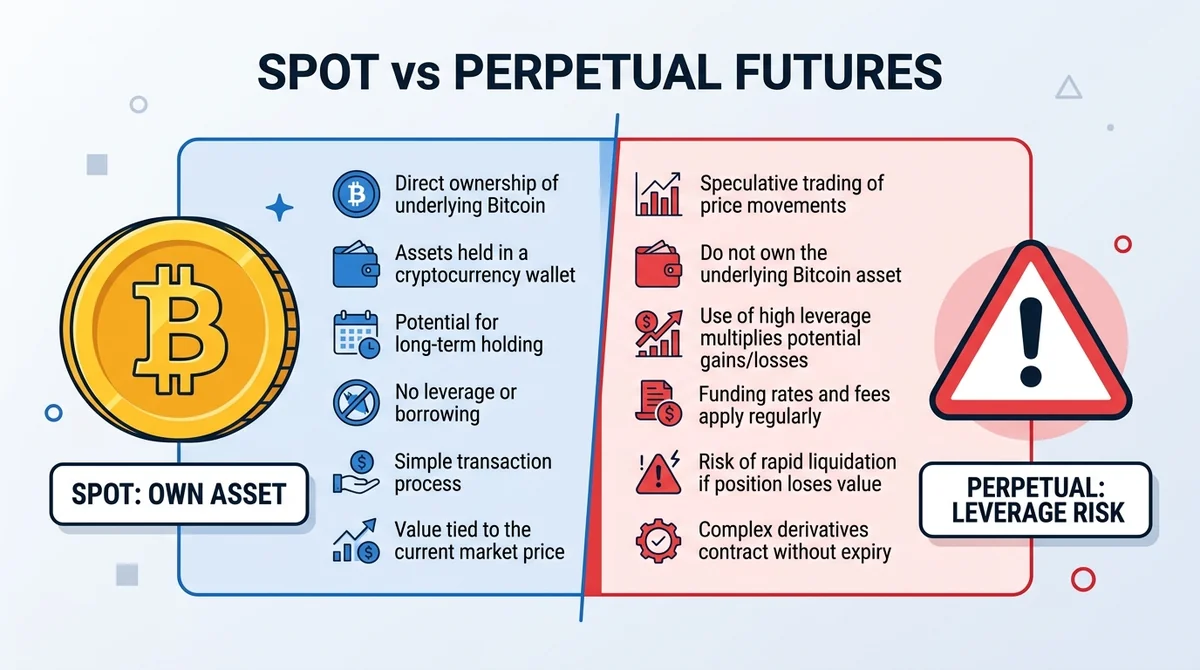
what is the difference between spot and perpetual futures
Spot means buying and holding assets; perpetual futures are leveraged bets on price. Learn key differences in ownership, leverage, settlement, and risk.
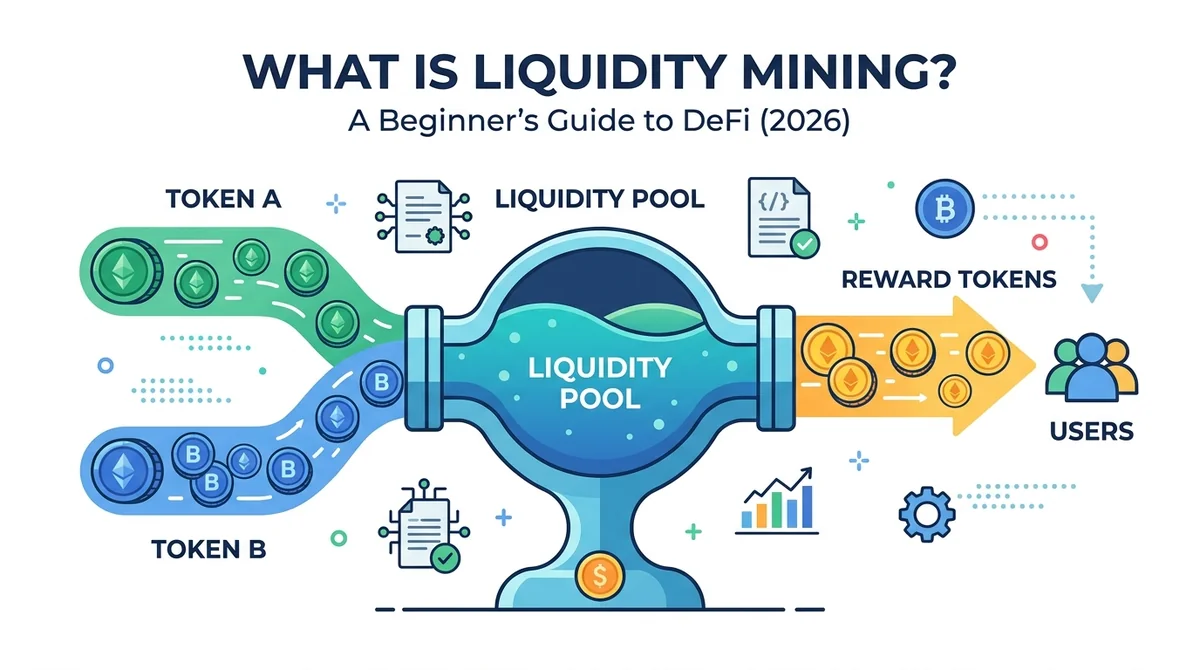
What Is Liquidity Mining? A Beginner's Guide to DeFi (2026)
Liquidity mining is depositing crypto into DeFi pools to earn fees and token rewards. Learn how it works, risks, and how it compares to staking.
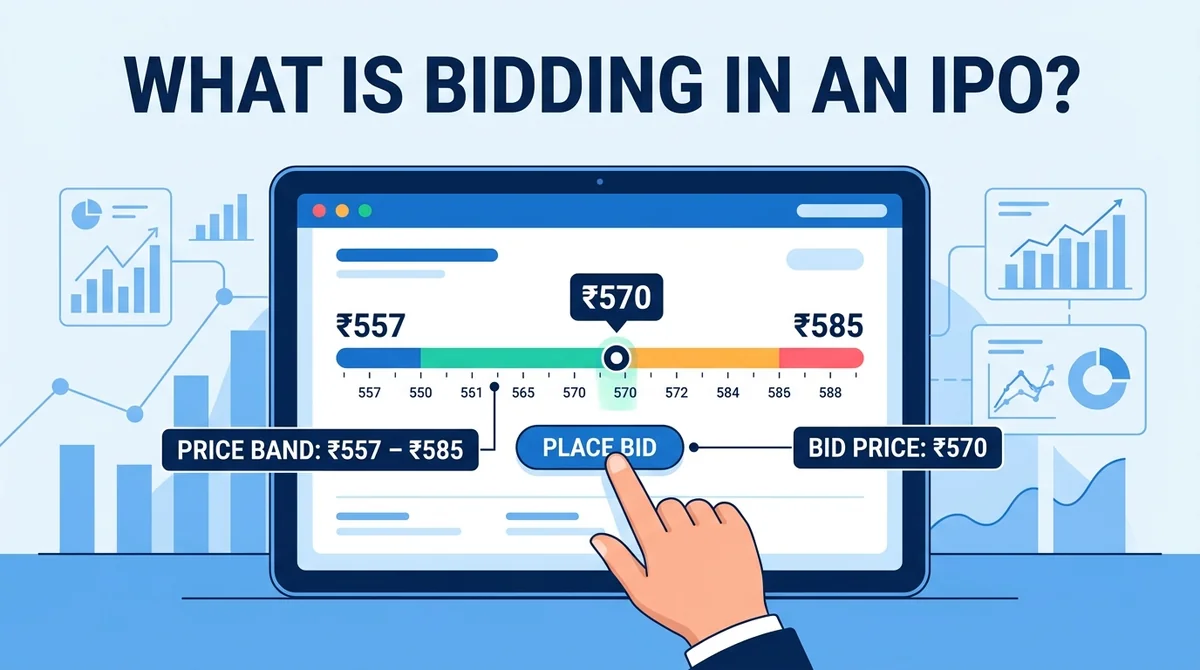
What Is Bidding in an IPO? A Beginner's Guide
IPO bidding lets you apply for shares at a price within the price band before listing. Learn how bid price, cut-off price, and allotment work.
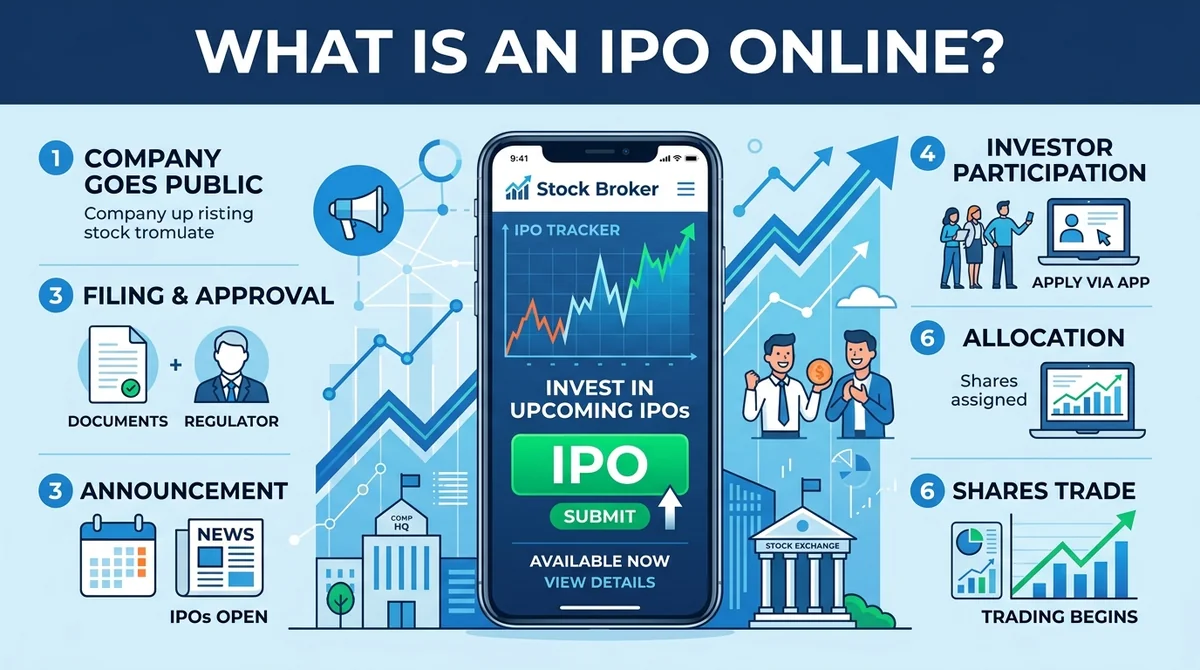
What Is an IPO Online?
Learn how an IPO online works: buying shares in a company's initial public offering through a digital brokerage, key steps, and risks to consider.
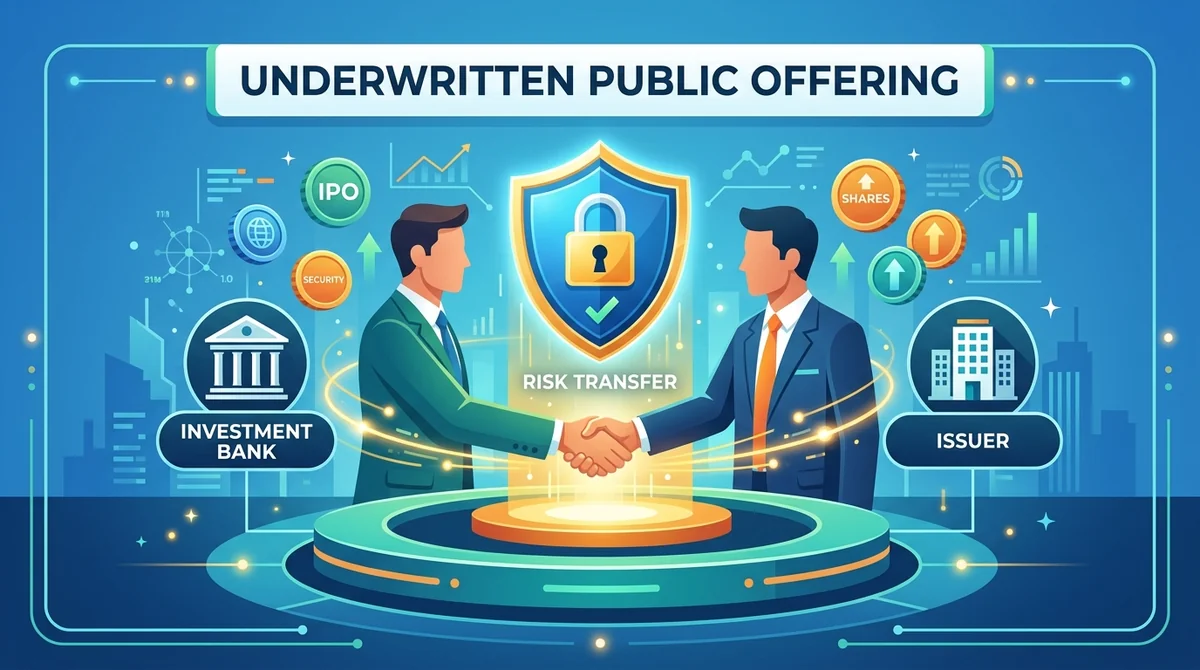
Underwritten Public Offering: Definition, Process, and Risks
An underwritten public offering lets an underwriter buy the entire issuance and resell it. Learn the process, risks, and crypto applications.
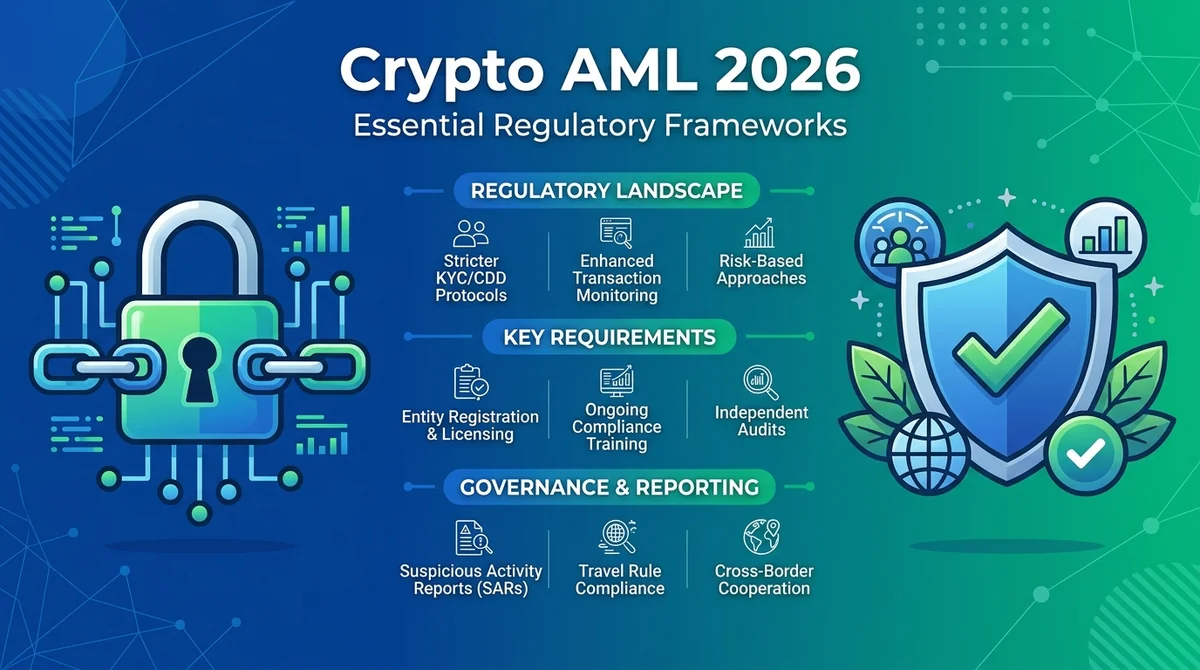
What Is Cryptocurrency Anti-Money Laundering (AML)? Essential Regulatory Frameworks and Exchange Practices for Beginners (2026)
Cryptocurrency AML prevents illegal funds from being laundered through crypto assets via KYC, transaction monitoring, and suspicious activity reporting. Learn how AML protects users.
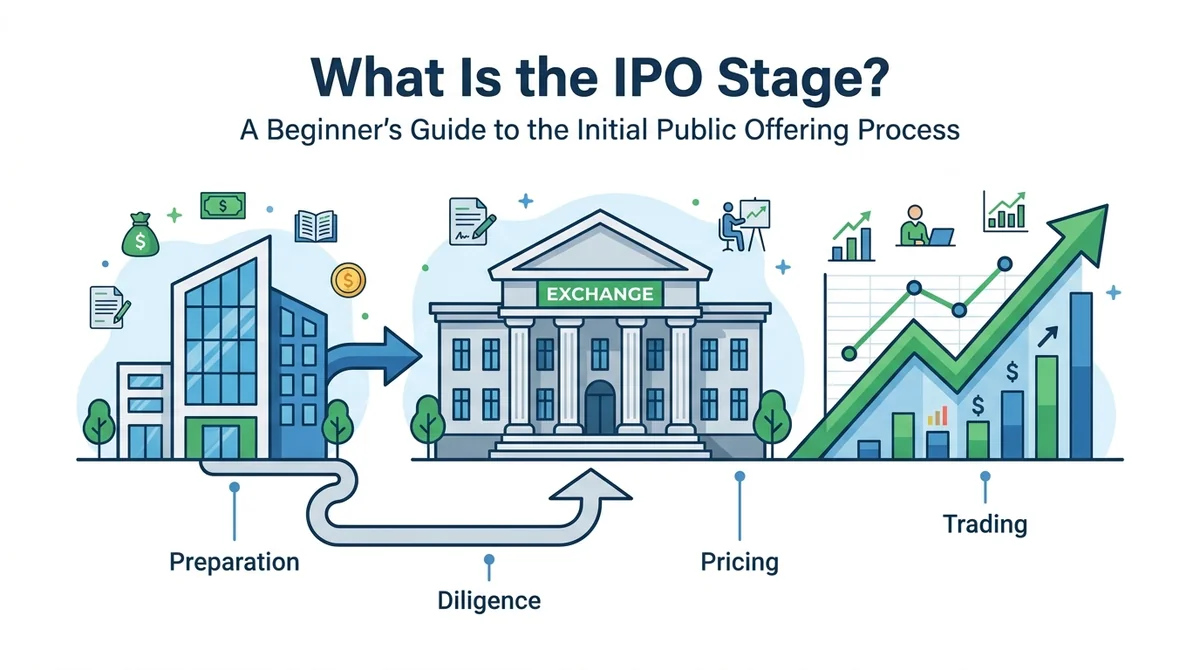
What Is the IPO Stage? A Beginner's Guide to the Initial Public Offering Process
Learn what the IPO stage means, how it works, and why the pre-IPO stage matters. Understand key steps, timelines, and risks before going public.
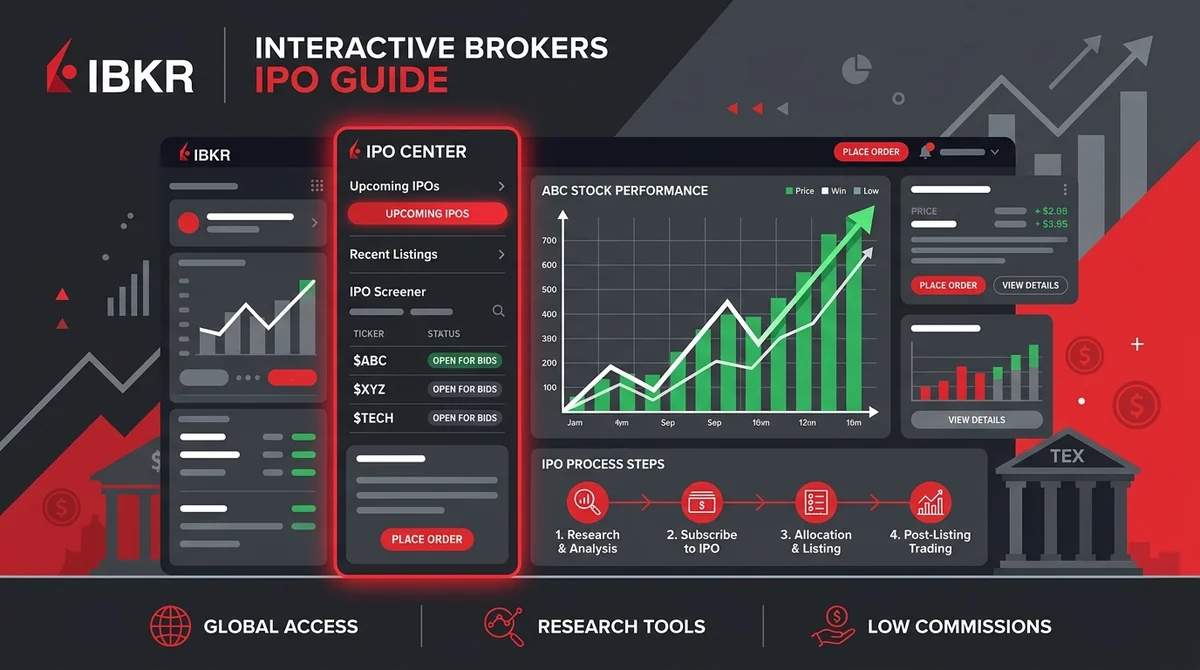
What Is an Interactive Brokers IPO?
Learn how Interactive Brokers IPO works, eligibility requirements, risks, and how it compares to open-market buying. Get clear, beginner-friendly answers.
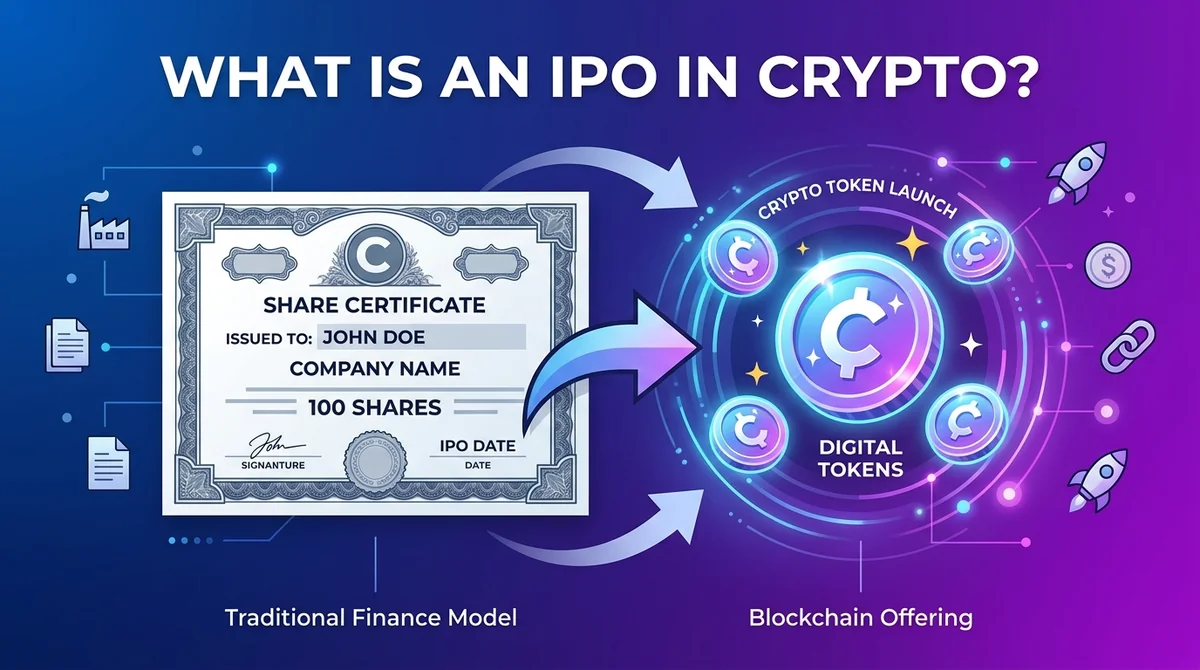
What Is an IPO in Crypto?
What is an IPO in crypto? Learn how token launches work, key differences vs ICO and IDO, and get clear definitions and risk warnings for 2026.