
Start Here
Start with the basics, then trading mechanics, then tokenized stocks and RWA.
1 

Crypto Basics
Bitcoin, Ethereum, stablecoins, wallets, and private keys — the building blocks you need first.
Start with the basics → 2 Spot & Perpetual Futures
Spot, perpetuals, leverage, and funding rates — how trading actually works.
Keep reading → 3 Tokenized Stocks & RWA
Tokenized stocks (NVDA, MU, AMD), RWA, and Pre-IPO — the advanced topics.
Go deeper → Browse by topic
Find the explanation, tutorial, or comparison you need by topic.
 Basics
 Crypto Basics
BTC, ETH, stablecoins, wallets, private keys, gas, and more — the concepts people ask about most.
 Trading
 Spot & Perpetual Futures
Spot vs perpetuals, contract mechanics, leverage and funding rates.
 Trading
 Leverage & Funding Rates
Margin, liquidation, and the payments that balance longs and shorts every 8 hours.
 Advanced
 Tokenized Stocks
Tokenized stocks and tokenized-stock perpetuals (NVDA, MU, AMD).
 Advanced
 RWA & On-chain Assets
Real-world assets on-chain: stocks, funds, and real estate as tokens.
 Advanced
 IPO · Pre-IPO · New Listings
IPOs, Pre-IPO assets, and new listings, from a stock-market angle.
Browse by content type
Approach any topic from the angle you need: what it is, how to do it, how it compares, or how to stay safe.

Glossary
What something means — a clear one-line definition.
Browse the glossary → 
Tutorials
How to do something — step by step, from setup to confirmation.
View tutorials → 
Compare
How two things differ — an objective side-by-side comparison.
View comparisons → 
Security
How to avoid mistakes — spot scams and protect your assets.
View security → Popular Articles
A selection based on recent views and search interest.
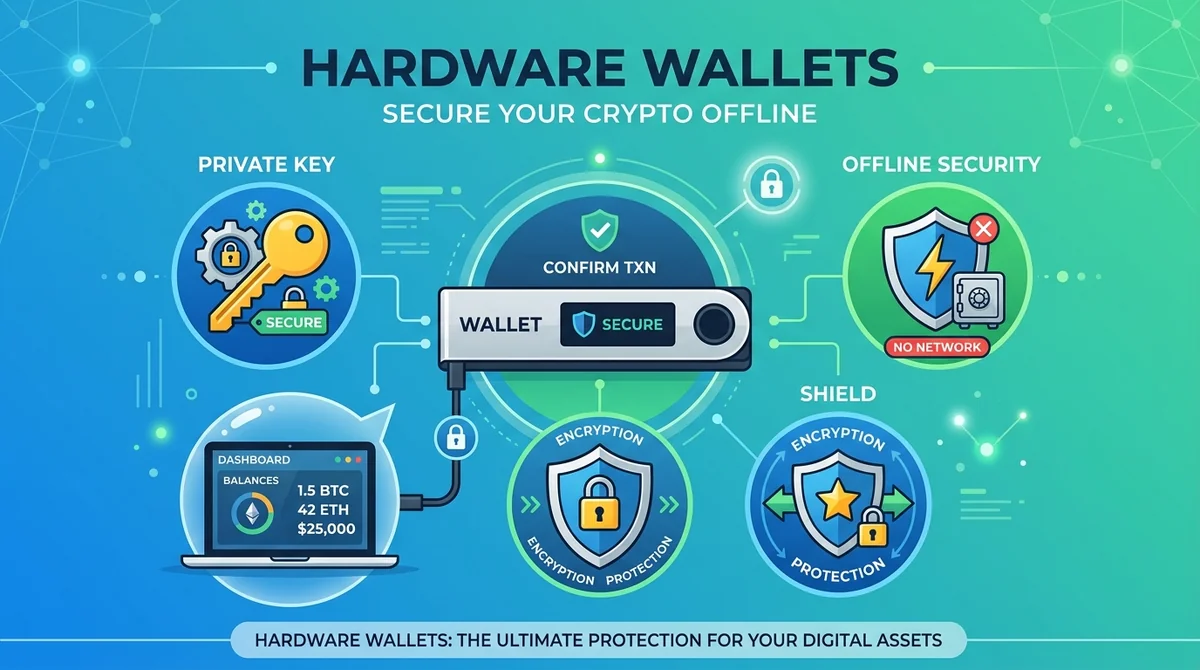
Hardware Wallets
A hardware wallet is a physical device that stores crypto private keys offline. Transaction signing happens on-device, keeping keys offline. Learn how it works, pros and cons, and withdrawal steps.
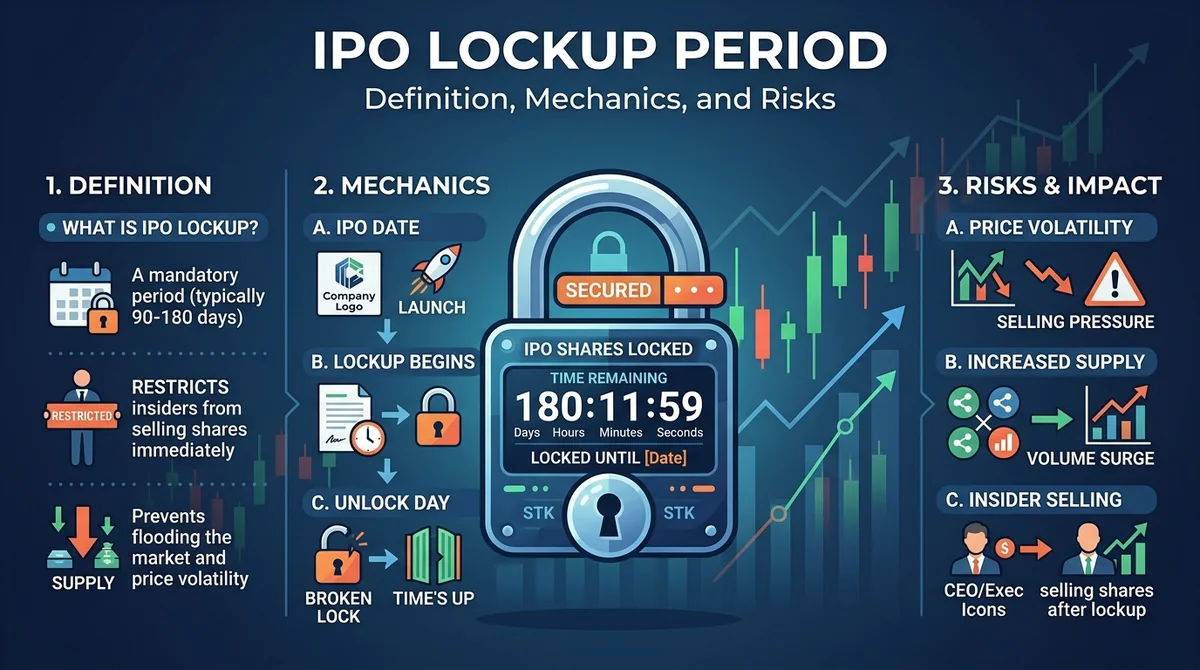
IPO Lockup Period: Definition, Mechanics, and Risks
Understand IPO lockup periods: why they last 90-180 days, how they affect stock and crypto price stability, and what token unlocks mean for investors.
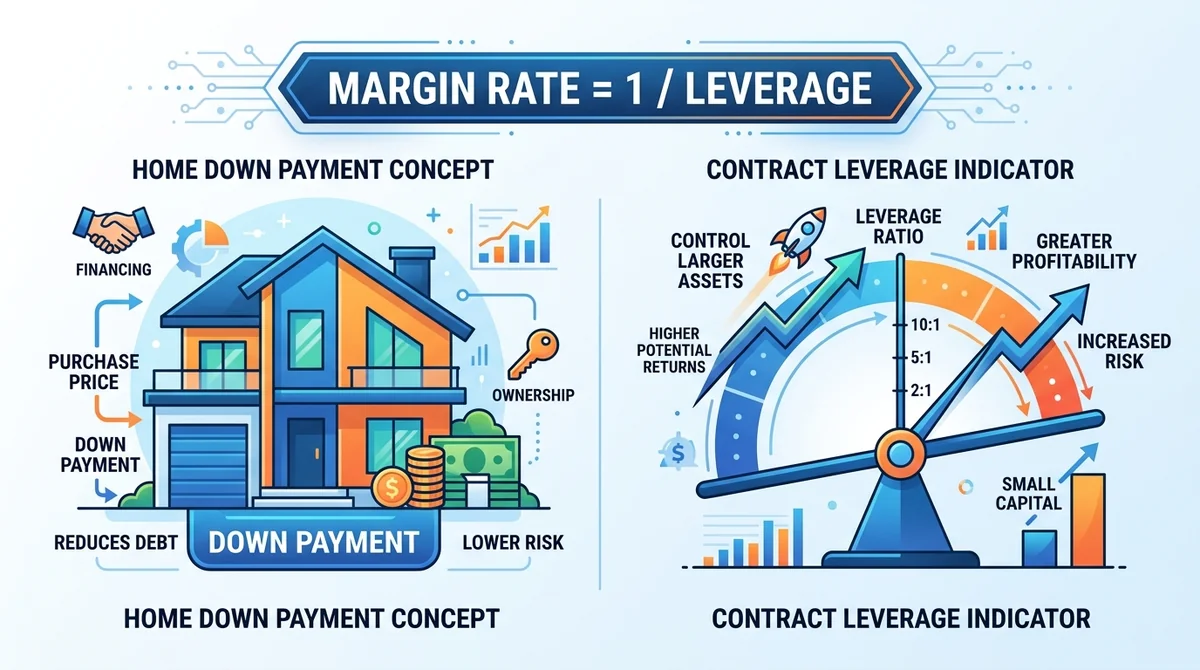
What Is Margin Rate? A Beginner's Guide to Calculating Contract Margin Levels in 2026
Margin rate: minimum % of contract value required as margin; reciprocal to leverage. Covers initial & maintenance margin examples. Not investment advice.
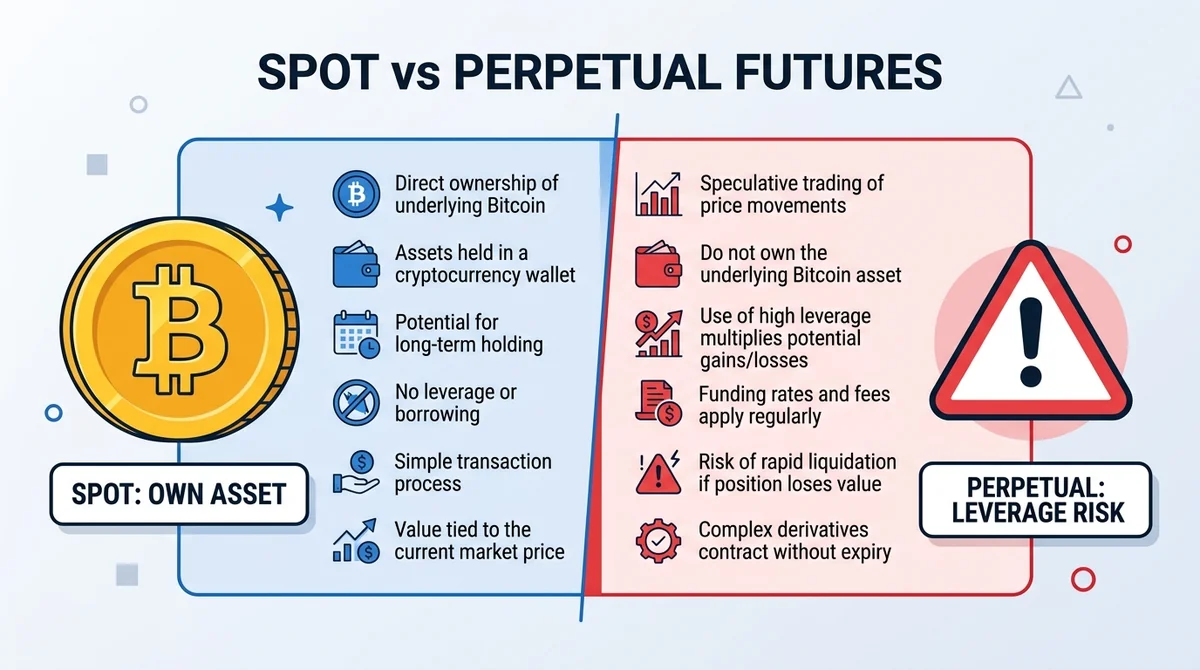
what is the difference between spot and perpetual futures
Spot means buying and holding assets; perpetual futures are leveraged bets on price. Learn key differences in ownership, leverage, settlement, and risk.

What Does a Binance Listing Mean? The Process and Impact of Tokens Landing on the Exchange (2026)
A Binance listing means a token passes review and opens trading pairs on Binance, allowing users to buy and sell. This article explains the listing process, criteria, impact, and risks—a must-read for beginners.
NEXT STEP
Finished reading? See the live prices and fees for these concepts.
One account gives you live prices, funding rates, and fee details across crypto spot, perpetuals, tokenized stocks, and RWA. Sign up to view them.
Why trust MSX Learn
Editorial team Written by our crypto-education team; every article is signed.
Editorial Policy Our editorial review process is public
Data Sources Official docs / exchange APIs / academic papers
AI Disclosure Every post notes AI-assisted curation