How to Buy Bitcoin
How to buy bitcoin: the three things to prepare, platform registration and verification, funding and placing an order, checking holdings, custody, selling, and scam prevention.
Answer: Buying bitcoin means registering an account on a trading platform, completing identity verification, funding your account, and then placing an order to buy bitcoin. The whole process breaks down into four steps: register and verify, fund, place the order, and check your holdings.
#What should you prepare before buying bitcoin?
Before buying bitcoin you need three things: a trading platform account, the documents to complete identity verification, and spare money that losing would not affect your life. All three are essential — the account is the entry point, identity verification is the compliance prerequisite, and the spare-money principle determines how much volatility you can absorb.
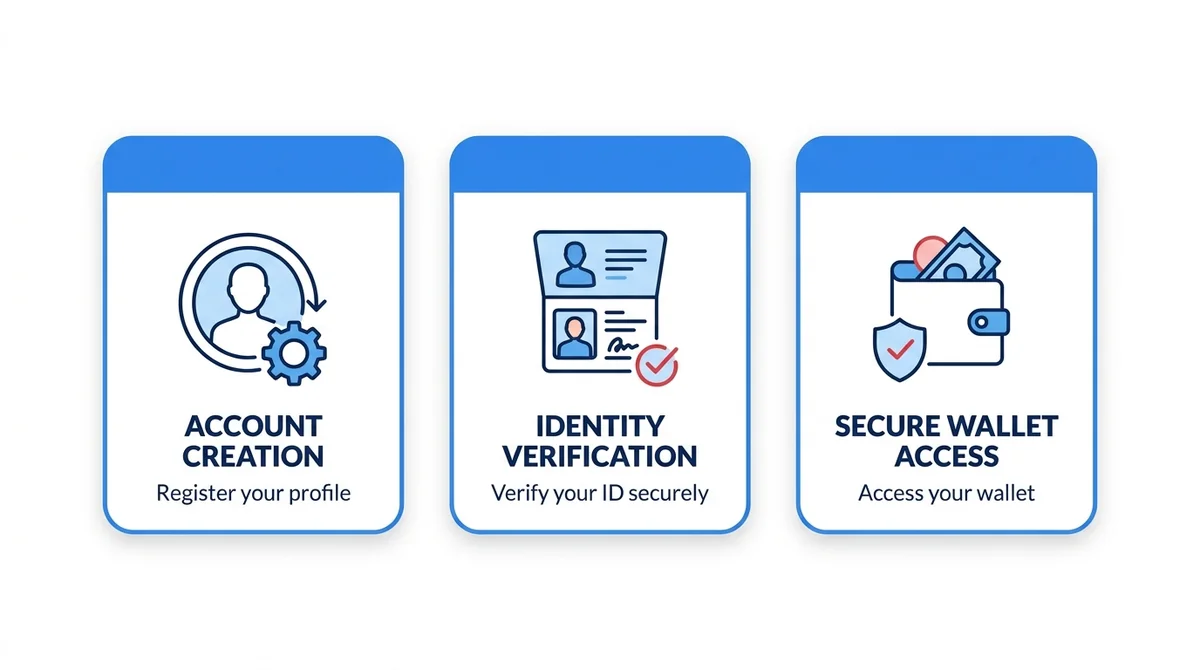
Account and documents: Registration usually requires an email address or phone number, and identity verification requires ID documents. Compliant platforms generally require real-name verification before you can trade and withdraw — this is an anti-money-laundering requirement, not the platform deliberately putting up roadblocks.
Starting amount: There is no universal minimum, and most platforms support small purchases. Following the spare-money principle, first work out whether losing half of this money would affect your life, then decide how much to put in.
Basic concepts: Before you act, understand two things — what bitcoin is and what a wallet is. Placing an order without clear concepts makes it easy to make mistakes when withdrawing coins or selling. To brush up on the basics first, see the explainer content from MSX Learn (msxfi), and also our articles on what bitcoin is and what a wallet is.
#How do you buy bitcoin on a trading platform?
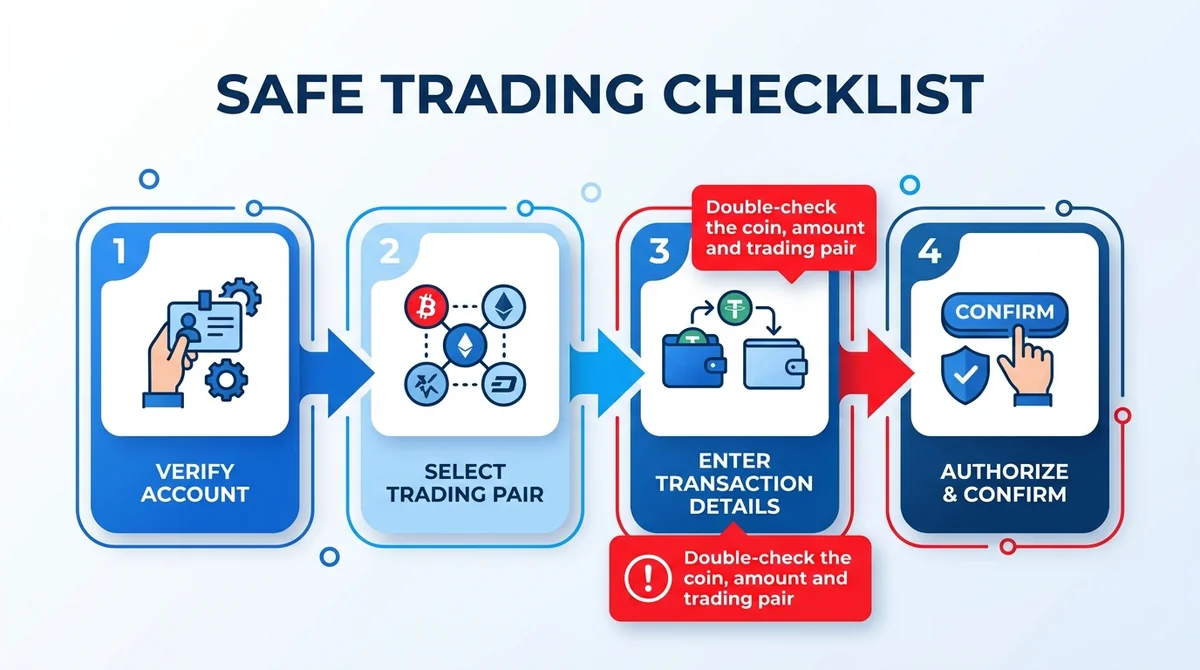
The standard process for buying bitcoin on a trading platform is: register and complete identity verification → fund your account → select the bitcoin trading pair and place an order → confirm your holdings on the assets page. The four steps cannot be reordered, and at every step you should double-check the coin and the amount.
- Register and complete identity verification: upload your documents as prompted by the platform and wait for approval. During review you can familiarize yourself with the interface, but you usually cannot trade or withdraw.
- Fund your account: choose a deposit method the platform supports and transfer fiat or stablecoins into your account. Before depositing, confirm that the receiving details match the platform's official channels.
- Place a buy order: find the bitcoin trading pair, enter the amount, confirm the coin and quantity, then submit. Check the trading pair once more before ordering so you don't buy another coin thinking it is bitcoin.
- Check your holdings: confirm your bitcoin balance and trade history on the assets page, and verify that the execution price and quantity are correct.
The process for buying bitcoin looks simple, but the step where mistakes actually happen is verification: coin, amount, and trading pair — confirm each one before placing the order.
#Where should you keep the bitcoin you buy?
There are two ways to store the bitcoin you buy: leave it in platform custody, or withdraw it to a self-custody wallet where you hold the private keys yourself. The former is convenient but carries platform risk; the latter is self-directed but the responsibility is entirely yours. For long-term holding or larger amounts, consider moving it to a self-custody wallet.
The core difference between the two approaches:
- Platform custody: assets are held by the platform; operations are convenient, but there is platform risk such as operational issues and security incidents. Note that a custody fee may apply.
- Self-custody wallet: you hold the private keys yourself; autonomy is high, but if the private keys or seed phrase are lost or leaked, the assets may be unrecoverable.
Analogy: platform custody is like putting cash in a bank safe-deposit box; self-custody is like buying your own safe and keeping it at home. The safe gives you more autonomy, but if you lose the key, no one can open it for you.
When to withdraw: for long-term holding or larger amounts, consider moving funds to a self-custody wallet. Before withdrawing, understand the security basics of private keys and seed phrases; see our article on private key and seed phrase security.
#How do you sell bitcoin?
Selling is the reverse of buying: place a sell order on the platform, and once it fills, transfer the money back to your bank card through the platform's fiat withdrawal channel. If you are unsure how to cash out, see our guide to trc20 usdt withdrawal fee by region 2026 for how withdrawal costs vary.
Check the sell amount and the arrival time carefully — different platforms process at different speeds. Before selling, confirm whether the withdrawal channel supports your bank card, so the funds don't get stuck in your account after the trade fills and become impossible to withdraw.
#What common risks should you guard against when buying bitcoin?
- Only enter the platform through official channels, and be wary of fake websites and fake customer service.
- Never tell anyone your verification codes, private keys, or seed phrases.
- Refuse private transfers and buying or operating on your behalf; be highly suspicious of anyone who asks you to send money to an individual.
⚠️ Digital asset prices are highly volatile. This article covers concepts only and is not investment advice.
This article covers concepts only; when you are ready to try it out, you can look at the relevant tools on the main MSX site.
#FAQ
What is the minimum amount needed to buy bitcoin?
There is no universal minimum, and many platforms support small purchases. The key is to use only spare money you can afford to lose — don't borrow money or touch funds you need for living expenses.
Do you have to complete identity verification to buy bitcoin?
Compliant trading platforms usually require real-name identity verification before you can trade and withdraw; this is an anti-money-laundering requirement. Prepare your ID documents and follow the platform's prompts.
Is buying bitcoin safe?
Buying bitcoin itself is a publicly verifiable on-chain action; the risks mainly come from the platform and the operational steps: fake websites, fake customer service, leaked private keys, and private transfers. Using only official channels, never revealing verification codes or private keys, and never transferring money to personal accounts can avoid most common risks.
Are there fees for buying bitcoin?
Platforms usually charge fees when an order fills and when you withdraw; the exact rates are subject to the platform's published fee schedule. Check the platform's fee page before ordering and factor the cost into your decision on how much to buy.
Is it safer to keep bought bitcoin on the platform or in a wallet?
Each has trade-offs: platform custody is convenient but carries platform risk; a self-custody wallet means you hold the private keys yourself — more autonomy but more responsibility. For long-term holding or larger amounts, consider moving funds to a self-custody wallet.
After selling bitcoin, how do you withdraw to a bank card?
After placing a sell order on the platform and having it fill, withdraw through the platform's fiat withdrawal channel after linking your bank card. Check the amount and arrival time carefully — different platforms process at different speeds.
What are the most common scams when buying bitcoin?
Fake platforms, fake customer service asking for verification codes or private keys, and private transfers for proxy purchases. Remember: never disclose verification codes, private keys, or seed phrases, and never transfer money to personal accounts.
FAQ
What is the minimum amount needed to buy bitcoin?
There is no universal minimum, and many platforms support small purchases. The key is to use only spare money you can afford to lose — don't borrow money or touch funds you need for living expenses.
Do you have to complete identity verification to buy bitcoin?
Compliant trading platforms usually require real-name identity verification before you can trade and withdraw; this is an anti-money-laundering requirement. Prepare your ID documents and follow the platform's prompts.
Is it safer to keep bought bitcoin on the platform or in a wallet?
Each has trade-offs: platform custody is convenient but carries platform risk; a self-custody wallet means you hold the private keys yourself — more autonomy but more responsibility. For long-term holding or larger amounts, consider moving funds to a self-custody wallet.
After selling bitcoin, how do you withdraw to a bank card?
After placing a sell order on the platform and having it fill, withdraw through the platform's fiat withdrawal channel after linking your bank card. Check the amount and arrival time carefully — different platforms process at different speeds.
What are the most common scams when buying bitcoin?
Fake platforms, fake customer service asking for verification codes or private keys, and private transfers for proxy purchases. Remember: never disclose verification codes, private keys, or seed phrases, and never transfer money to personal accounts.
Related Terms
Want to see the real data for this concept?
After you sign up, you can view live prices, funding rates, and fees for the related assets.
View live prices and fees →