What Is an IPO? Meaning, Process, and Crypto Comparisons
Learn what an IPO is, how the IPO process works, and how it compares to ICOs and direct listings. Understand IPO risks and crypto token launch differences.
An IPO, or Initial Public Offering, is the first sale of a company's stock to the public, marking its transition from a private company to a publicly traded one. It allows companies to raise capital from a broad investor base and provides liquidity to early stakeholders.
Key Takeaways
- An IPO is the first public sale of a company's stock, transitioning it from private to public.
- The IPO process involves underwriters, regulatory registration, and listing on a stock exchange.
- Crypto projects may use token sales like ICOs or direct listings, which differ in investor rights and regulation.
- IPOs can be volatile and carry risks such as limited historical data and potential overvaluation.
#What Is an IPO in Simple Terms?
An IPO, or Initial Public Offering, is the process by which a private company first sells its shares to the public. This event marks the transition from a private company to a publicly traded one, enabling the company to raise capital from a wide range of investors. Unlike private funding rounds, an IPO opens ownership to the general public and subjects the company to public market regulations and disclosure requirements.
#IPO Definition
An IPO is the first public sale of a company's stock. It is a significant milestone that changes the company's ownership structure and provides access to public capital markets. In the crypto space, similar events may be token generation events (TGEs) or initial coin offerings (ICOs), but these are not legally IPOs and typically do not grant equity ownership.
#How an IPO Differs from Private Funding
Private funding involves selling shares to a limited group of accredited investors or venture capitalists, often with less regulatory oversight. In contrast, an IPO involves a public offering registered with securities regulators, allowing any investor to purchase shares. This transition brings increased transparency, liquidity, and scrutiny.
#How Does an IPO Work?

An IPO works by a company collaborating with investment banks (underwriters) to determine the share price, registering the offering with regulators, and then offering shares to institutional and retail investors on a public exchange. After the IPO, shares trade freely on exchanges like NYSE or NASDAQ.
#Steps from Private Company to Public Listing
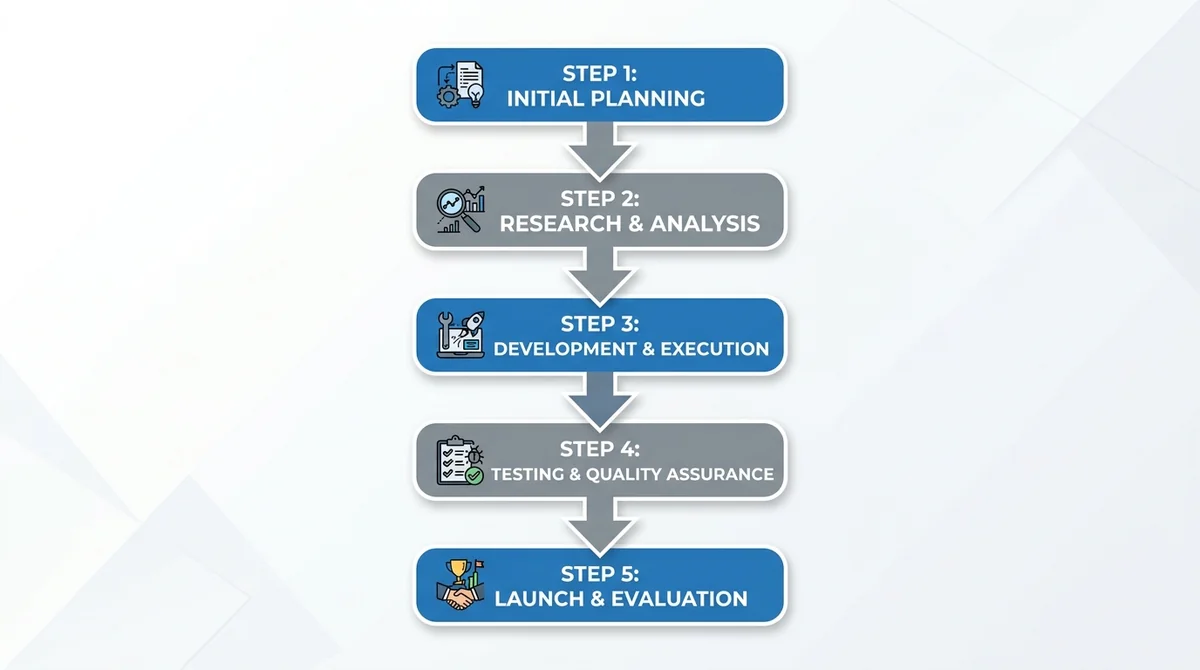
The IPO process typically involves several key steps:
- Select underwriters: The company hires investment banks to manage the offering.
- Due diligence and regulatory filing: The company prepares a prospectus and files with the relevant regulator (e.g., SEC in the US).
- Pricing: Underwriters and the company determine the initial share price based on demand and valuation.
- Allocation: Shares are allocated to institutional and retail investors.
- Listing and trading: The shares begin trading on a stock exchange, and the company becomes publicly traded.
#Role of Underwriters and Exchanges
Underwriters play a crucial role in the IPO process. They help set the initial price, buy the shares from the company, and sell them to the public. They also provide stability during early trading. Exchanges like NYSE and NASDAQ provide the platform for trading after the IPO. In crypto, projects may use token sales instead, which are not regulated as securities in all jurisdictions.
#IPO Examples in Traditional Finance and Crypto
Traditional IPO examples include major companies listing on stock exchanges, such as large tech companies going public. In crypto, projects often use token sales like ICOs, IDOs, or direct listings on exchanges, which may not grant equity ownership.
#Famous Traditional IPOs
Some of the most well-known IPOs in traditional finance include tech giants that raised billions of dollars and gained massive market capitalizations upon listing. These events often generate significant media attention and investor interest.
#Crypto Equivalents: ICOs and Token Launches
In the crypto world, similar events include Initial Coin Offerings (ICOs), Initial DEX Offerings (IDOs), or direct token listings on exchanges. These events allow projects to raise funds by selling tokens, but investors typically do not receive equity or voting rights. The regulatory treatment of these events varies significantly by jurisdiction.
#Why Are IPOs Important for Investors and Crypto?
IPOs are important because they enable capital formation, provide liquidity to early stakeholders, and establish a market valuation for the company. In crypto, understanding IPO mechanics helps evaluate token launch events and their potential risks.
#Capital Raising and Liquidity
An IPO provides a company with growth capital and gives early investors an exit opportunity. It also creates a liquid market for the company's shares, allowing shareholders to buy and sell easily. For crypto projects, token launches can similarly raise funds and provide liquidity, though the underlying assets and rights differ.
#Impact on Market Perception
A public listing increases transparency and credibility for a company, as it must adhere to reporting standards. This can positively influence market perception and attract more investors. In crypto, a token launch may signal project maturity, but it also carries distinct risks due to less regulation.
#What Are the Risks and Common Misconceptions About IPOs?
Key risks of IPOs include short-term price swings, limited historical data, and potential overvaluation. Common misconceptions confuse IPOs with ICOs or direct listings, which have different legal and financial structures.
#Price Volatility and Lock-Up Periods
IPO shares can be volatile immediately after listing, with prices sometimes soaring or dropping sharply. Lock-up periods restrict insider selling for a certain time after the IPO, which can affect supply and price stability. Investors should be aware of these dynamics.
#Misconceptions: IPO vs ICO vs Direct Listing
Many people confuse IPOs with ICOs and direct listings. An IPO involves underwriters and new share issuance, while a direct listing allows existing shares to trade without raising new capital. An ICO is a token sale that may not represent equity and often lacks shareholder rights. Regulatory oversight varies significantly among these methods.
#IPO vs ICO vs Direct Listing: Key Differences
An IPO involves underwriters and new share issuance, an ICO is a token sale often without equity rights, and a direct listing allows existing shares to trade without raising new capital.
#IPO vs ICO
An IPO is a regulated process where a company sells new shares to the public, giving shareholders equity and voting rights. An ICO, on the other hand, is a fundraising method where a project sells tokens, which may not represent ownership and are often subject to less regulatory oversight.
#IPO vs Direct Listing
In an IPO, the company works with underwriters to issue new shares and raise capital. In a direct listing, no new shares are created, and the company does not raise new capital; instead, existing shareholders sell their shares directly to the public. Direct listings can be cheaper and less dilutive but lack the support of underwriters.
FAQ
What is the meaning of IPO?
An IPO, or Initial Public Offering, is the first sale of a company's stock to the public, marking its transition from a private company to a publicly traded one.
How does an IPO work?
An IPO works by a company hiring underwriters to determine the share price, registering with regulators, and offering shares to investors on a public exchange, after which the shares trade freely.
What is the difference between an IPO and an ICO?
An IPO involves selling equity shares with regulatory oversight, while an ICO is a token sale that may not represent equity and often has less regulation.
What are the risks of investing in an IPO?
IPO risks include short-term price volatility, limited historical data, and potential overvaluation. Lock-up periods can also affect share supply and price.
Can crypto projects have an IPO?
Crypto projects typically do not have traditional IPOs. Instead, they may conduct token sales like ICOs or direct listings, which are not legally IPOs and may not grant equity ownership.
Want to see the real data for this concept?
After you sign up, you can view live prices, funding rates, and fees for the related assets.
View live prices and fees →