What Is an IPO Online?
Learn how an IPO online works: buying shares in a company's initial public offering through a digital brokerage, key steps, and risks to consider.
#What Is an IPO Online?
An IPO online is the process of buying shares in a company’s initial public offering through a digital brokerage or investment platform. It gives individual investors access to a company before its stock begins trading on a public exchange.
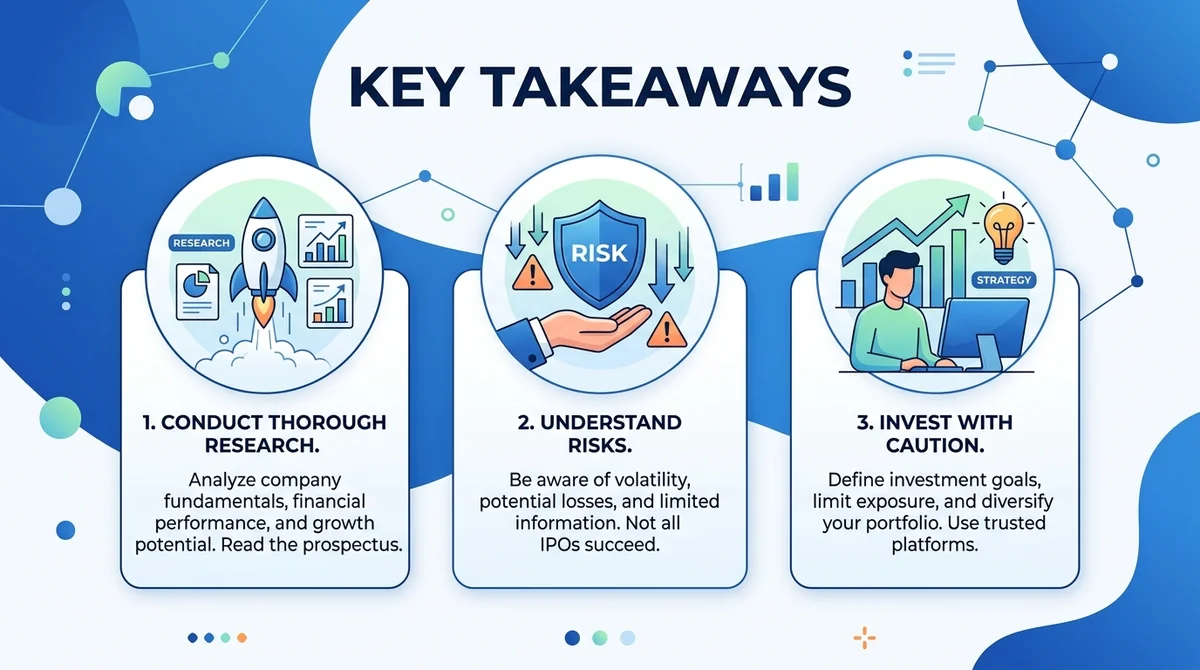
Key Takeaways:
- An IPO is when a private company first sells shares to the public.
- Online IPO investing means using a brokerage or platform to research and buy IPO shares before they trade on an exchange.
- IPOs let companies raise capital and give investors early access to growing businesses.
- IPO stocks can be highly volatile, and there is no guarantee of profit.
#What Is an IPO Online?
An IPO online is the process of buying shares in a company’s initial public offering through a digital brokerage or investment platform. An IPO, or initial public offering, is when a private company offers shares to the public for the first time. The “online” part simply means you use an online brokerage account, mobile app, or dedicated IPO platform to research the offering, place an order, and manage your investment—all without paper forms or phone calls to a traditional broker.
#Simple definition of an IPO
An IPO is when a private company offers shares to the public for the first time. It marks the transition from a privately held company to a publicly traded one. For example, a fast-growing tech company that needs money to expand might sell ownership shares to the public through an IPO instead of borrowing from a bank.
#What does “online” mean in IPO investing?
Online IPO investing means using a brokerage or investment platform to research and buy IPO shares before they trade on an exchange. Many online brokers now offer IPO access to their clients, often with eligibility requirements such as a minimum account balance or trading history. This digital approach has made IPO investing more accessible, but it does not remove the risks.
#How Does an IPO Work?
In an IPO, a private company works with underwriters to file a prospectus, set an offering price, and sell shares to the public. After the IPO, the stock begins trading on an exchange like the NYSE or Nasdaq.
#The role of underwriters and investment banks
Companies typically work with investment banks to underwrite the offering. Underwriters help set the share price and offering size, buy the shares from the company, and sell them to investors. They also help list the stock on an exchange. The underwriting group may include several banks, each responsible for a portion of the shares.
#IPO pricing and the opening price
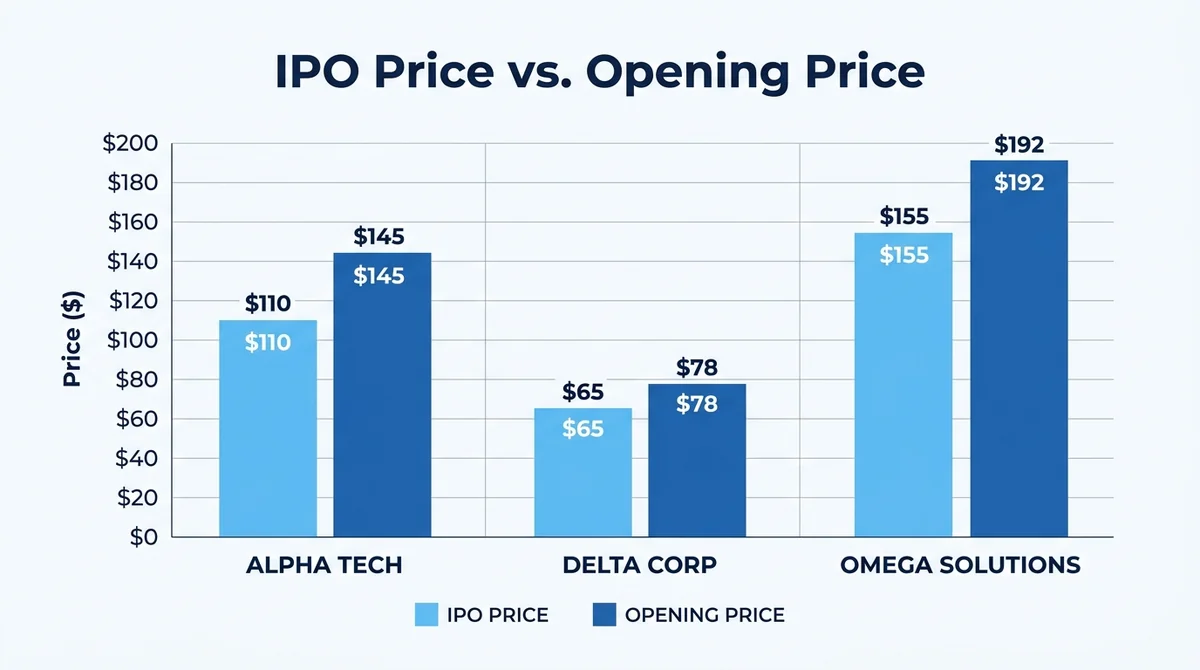
The IPO price is the initial price investors pay for shares in the offering. The opening price is where the stock first trades publicly on the exchange. These two prices can differ significantly. For example, a company might price its IPO at $20 per share, but the stock could open at $25 if demand is strong.
#Key players in the IPO process
Key players include the issuing company, underwriters (investment banks), lawyers, the SEC (which reviews the prospectus), and investors. The company files a prospectus with the SEC that discloses financials, risks, and how the raised capital will be used.
#How to Invest in an IPO Online Step by Step
To invest in an IPO online, you need to open a brokerage account that offers IPO access, review the prospectus, and place an order during the offering window.
#Step 1: Open a brokerage account that offers IPO access
Not all brokerages offer IPO access. Check whether your broker provides IPO participation and what the eligibility requirements are. Some brokers require a minimum account balance or a certain number of trades. For example, SoFi Active Invest members can access IPOs before they trade on an exchange.
#Step 2: Review the prospectus and eligibility requirements
Read the prospectus carefully. It contains the company’s financials, business model, risk factors, and how the IPO proceeds will be used. The prospectus is filed with the SEC and is the most important document for any IPO investor.
#Step 3: Place an order during the offering window
IPO orders are typically placed during a limited offering window before the stock trades publicly. You specify how many shares you want, and your broker submits the order. If demand exceeds supply, you may receive fewer shares than requested.
#Why Do Companies Go Public?
Companies go public primarily to raise capital, increase their credibility, and provide liquidity for early investors and employees.
#Raising capital for growth
An IPO allows a company to raise large amounts of money without taking on debt. The funds can be used for expansion, research, marketing, or paying off existing debt.
#Building credibility and liquidity
Going public can enhance a company’s visibility and credibility with customers, suppliers, and partners. It also creates a liquid market for the company’s shares, making it easier to raise additional capital in the future.
#Allowing early investors and employees to sell shares
IPOs provide an exit opportunity for early investors, such as venture capitalists, and for employees who hold stock options. After the IPO, these insiders can sell their shares on the public market, subject to lock-up restrictions.
#Risks and Common Misconceptions About IPO Investing
IPO investing carries significant risk, including high price volatility and the possibility of losing your entire investment. There is no guarantee of profit.
#Price volatility and potential for loss
IPO stocks can be highly volatile in the first days and weeks of trading. Prices can swing dramatically based on market sentiment, company news, and overall market conditions. Investors should be prepared for the possibility of losing a significant portion of their investment.
#Lock-up and quiet periods
A lock-up period is a set time after the IPO during which insiders, such as company executives and early investors, are prohibited from selling their shares. This period typically lasts 90 to 180 days. When the lock-up expires, a large number of shares may hit the market, potentially driving the price down.
#Misconceptions about guaranteed profits
Many investors mistakenly believe that IPOs always go up on the first day. In reality, many IPOs underperform after listing. There is no guarantee of profit, and some IPOs decline sharply after their debut.
#Related Terms
Understanding these related terms will help you navigate the IPO landscape:
- Prospectus: A legal document filed with the SEC that provides details about the offering and the company.
- Underwriter: An investment bank that helps the company set the offering price and sells the shares.
- Primary market: The market where new securities are issued and sold to investors for the first time.
- Secondary market: The market where existing securities are traded among investors, such as the NYSE or Nasdaq.
- Lock-up period: A period after the IPO during which insiders cannot sell their shares.
FAQ
What is an IPO online?
An IPO online is buying shares in a company's initial public offering through a digital brokerage or investment platform, allowing individual investors to participate before the stock trades on an exchange.
Can anyone invest in an IPO online?
Not everyone. You need a brokerage account that offers IPO access, and you may have to meet eligibility requirements such as a minimum account balance or trading history.
How do I find upcoming IPOs online?
You can find upcoming IPOs on your brokerage's platform, financial news websites, and the SEC's EDGAR database, where companies file their prospectuses.
What are the risks of IPO investing?
IPO stocks can be highly volatile, and you may lose your entire investment. Lock-up periods and quiet periods can also affect the stock price.
Is there a guaranteed profit in IPOs?
No. Many IPOs underperform after listing, and there is no guarantee that the stock price will rise above the offering price.
Want to see the real data for this concept?
After you sign up, you can view live prices, funding rates, and fees for the related assets.
View live prices and fees →