What is IPOGMP? IPO Grey Market Premium Explained
IPOGMP (IPO Grey Market Premium) is the unofficial price at which IPO shares trade before listing. Learn how it works, why it matters, and the risks in 2026.
#What is IPOGMP? IPO Grey Market Premium Explained
IPOGMP, or IPO Grey Market Premium, is the premium or discount at which an IPO's shares are traded in the unofficial grey market before official listing. It reflects early demand and can hint at listing-day performance, but it is unregulated and carries significant risks.
#Key Takeaways
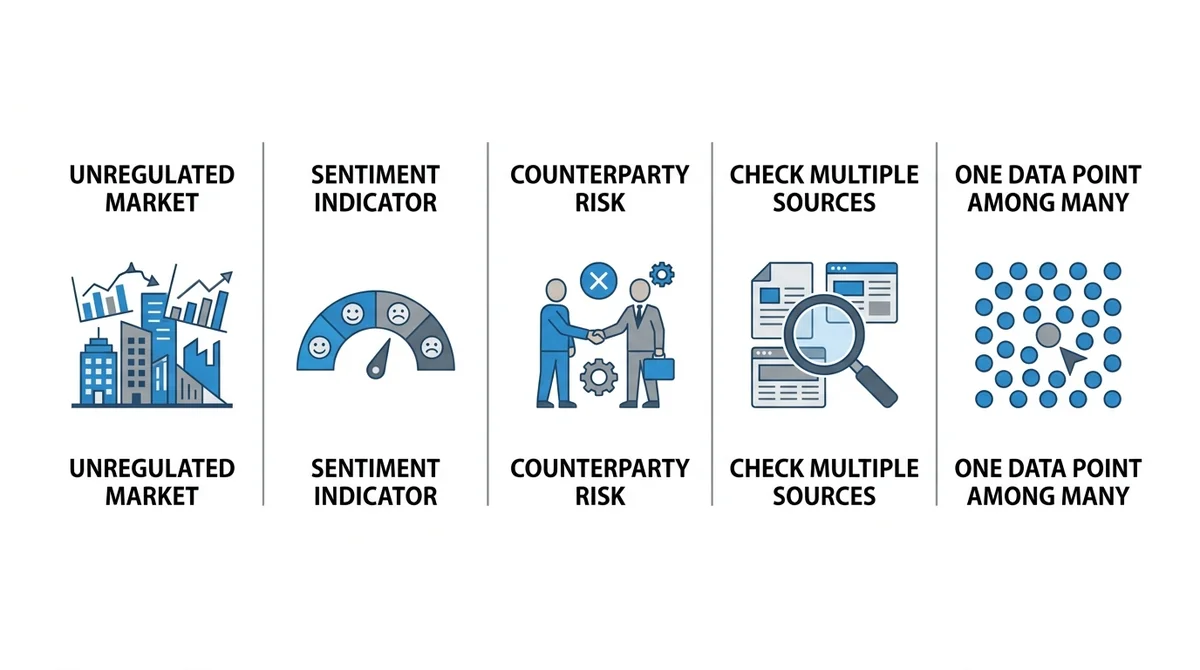
- IPOGMP is expressed in currency (e.g., ₹50 premium) or as a percentage above the issue price.
- The grey market operates informally through dealers and investors, with trades settled only after listing.
- A high positive GMP suggests strong demand, but it is a sentiment indicator, not a fundamental analysis tool.
- Grey market trading is unregulated, with counterparty risk and potential price manipulation.
- Always cross-check GMP from multiple sources and treat it as one data point among many.
#What is IPOGMP?
IPOGMP stands for IPO Grey Market Premium. It is the unofficial price difference between an IPO's grey market trading price and its official issue price before the stock lists on a stock exchange. In markets like India, where grey market trading is common, IPOGMP is widely tracked by investors to gauge early demand for an IPO.
#What does IPOGMP stand for?
IPOGMP is an acronym for Initial Public Offering Grey Market Premium. The term combines "IPO" (the initial public offering) and "GMP" (grey market premium). It represents the extra amount buyers are willing to pay over the issue price in the unofficial, pre-listing market.
#Is IPOGMP the same as IPO grey market price?
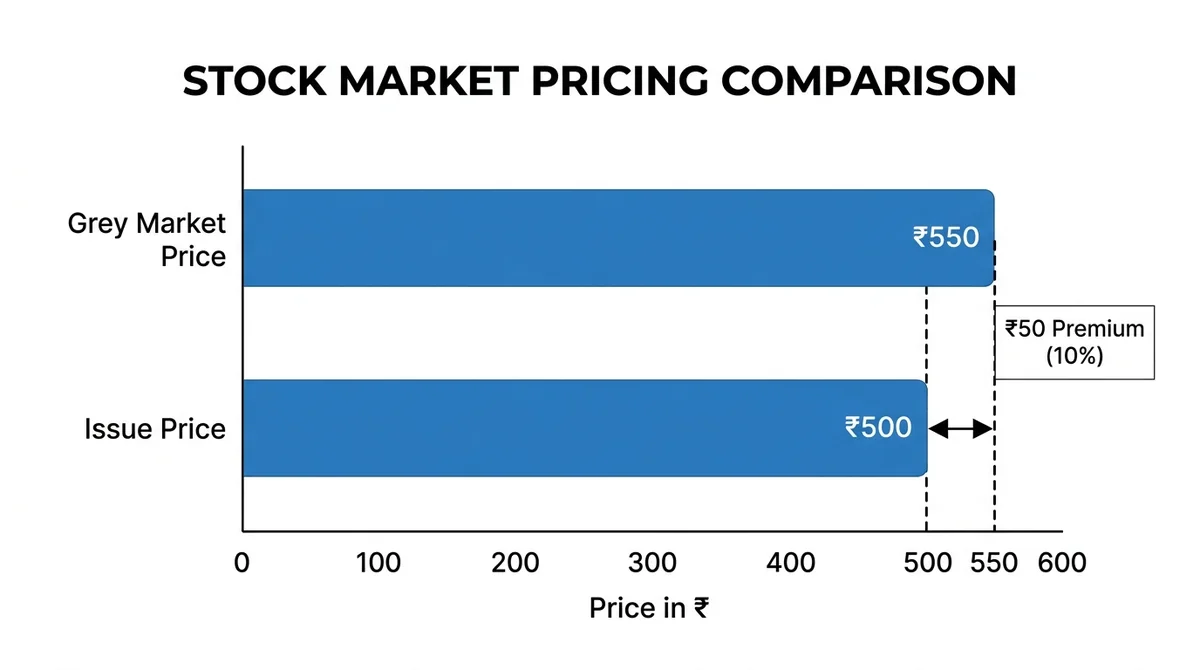
Yes, IPOGMP is essentially the same as the IPO grey market price expressed as a premium or discount. For example, if an IPO is priced at ₹500 and grey market trades occur at ₹550, the IPOGMP is ₹50 (or 10%). A negative IPOGMP means the grey market price is below the issue price, indicating weak demand.
#How does the IPO grey market work?
The IPO grey market operates informally, with prices set by supply and demand among dealers and investors, and all trades are settled only after the stock officially lists. There is no centralized exchange or regulator overseeing these transactions.
#Who trades in the grey market?
Grey market trading involves a network of grey market dealers and investors who buy and sell IPO shares before listing. Typically, investors who have received IPO allotments sell their rights to those shares in the grey market, while buyers speculate on listing-day gains.
#How is the grey market price determined?
The grey market price is driven by demand, subscription data, and overall market sentiment. Unlike official exchanges, there is no order book or price discovery mechanism. Dealers quote prices based on their assessment of demand and the IPO's subscription numbers.
#What is the role of 'grey market dealers'?
Grey market dealers act as intermediaries, matching buyers and sellers in the unofficial market. They often provide indicative GMP quotes to their clients. However, these dealers are not regulated, and their quotes can vary widely between sources.
#Why does IPOGMP matter for IPO investors?
IPOGMP matters because it offers a real-time, unofficial gauge of market demand for an IPO, helping investors anticipate potential listing day movements, though it is not a reliable predictor. A high positive GMP suggests strong demand and possible listing gains, while a negative GMP indicates weak demand.
#How can GMP indicate listing day performance?
A high positive GMP often correlates with a strong listing-day pop, as it reflects high demand for the stock. Conversely, a negative or falling GMP may signal a weak debut. However, GMP is not a guarantee; listing prices can deviate significantly due to changing market conditions.
#Should beginners rely on GMP for investment decisions?
Beginners should treat GMP as one data point among many and avoid making decisions solely on grey market trends. GMP can change rapidly before listing and is not a substitute for fundamental analysis of the company's financials and prospects.
#What are the risks of trading in the IPO grey market?
The main risks of IPO grey market trading include lack of regulation, counterparty default, and price manipulation, all of which can lead to significant financial losses for uninformed investors.
#Is grey market trading legal?
Grey market trading is unregulated and not overseen by stock exchanges or securities regulators. While it is not explicitly illegal in some jurisdictions, it operates in a legal grey area with no investor protections.
#What is counterparty risk in grey market deals?
Counterparty risk is the chance that the other party in a grey market deal fails to honor the trade after listing. Since there is no formal clearing mechanism, a buyer may pay upfront but never receive shares, or a seller may deliver shares but not get paid.
#How can price manipulation affect GMP?
Large dealers or groups can manipulate GMP by artificially inflating or deflating quotes to create a false impression of demand. This can mislead retail investors into making poor decisions based on distorted signals.
#How to track IPOGMP and grey market prices?
You can track IPOGMP through unofficial grey market reports and IPO tracking websites, but because the market is unregulated, prices may differ across sources and should be used cautiously.
#Where can you find today's IPO grey market premium?
GMP data is available on financial news websites, IPO tracking platforms, and through grey market dealers. However, there is no standardized source, and figures can vary between providers.
#What does 'IPO watch grey market' mean?
"IPO watch grey market" refers to monitoring the grey market premium of an upcoming or ongoing IPO over several days to observe demand trends. Investors often track changes in GMP to gauge sentiment before applying for shares.
#IPOGMP vs. listing day price: What's the difference?
IPOGMP and the listing day price often differ because GMP is an unofficial pre-market estimate, while the listing price reflects real-time exchange trading on the first day. The gap can be significant.
#How often does the listing price match GMP?
It is relatively rare for the listing price to exactly match the GMP. More often, the listing price is close but not identical, and sometimes the difference is large, especially in volatile market conditions.
#What factors cause a gap between GMP and listing price?
Several factors can cause a gap: changes in market sentiment between the grey market trade and listing, institutional flows on the first day, company-specific news, and overall market movements. Because GMP is based on limited information, it may not fully reflect all listing-day dynamics.
FAQ
What does IPOGMP mean in the stock market?
IPOGMP stands for IPO Grey Market Premium, which is the premium or discount at which an IPO's shares trade in the unofficial grey market before official listing.
Is a high IPOGMP always a good sign?
Not always. A high positive GMP indicates strong demand, but it is a sentiment indicator and can change rapidly. It does not guarantee listing gains.
Can I trade in the IPO grey market as a beginner?
Beginners should avoid grey market trading because it is unregulated, carries counterparty risk, and prices can be manipulated. It is safer to wait for official listing.
Where can I check today's IPO grey market premium?
You can find GMP data on financial news websites and IPO tracking platforms, but figures may vary between sources. Always cross-check multiple sources.
How is IPOGMP different from the listing price?
IPOGMP is an unofficial pre-listing estimate, while the listing price is determined by actual supply and demand on the exchange on the first day of trading.
Related Terms
Want to see the real data for this concept?
After you sign up, you can view live prices, funding rates, and fees for the related assets.
View live prices and fees →