What Is a Private Offering in Crypto?
Learn what a private offering is in crypto, how it works, who can invest, examples, and key risks. A beginner-friendly 2026 guide to private token sales.
#What Is a Private Offering in Crypto?
A private offering is a fundraising method where crypto projects or companies sell tokens or equity to a restricted group of investors, bypassing public registration requirements. It contrasts with public offerings by limiting participation to accredited or selected investors, often under legal exemptions like Reg D. This guide explains how private offerings work, who can invest, examples, and risks.
#Key Takeaways
- A private offering sells tokens or equity to a limited number of qualified investors, not the general public.
- Investors typically must meet accreditation criteria, such as income or net worth thresholds.
- Private offerings often use exemptions like Reg D (Rule 506b/506c) or Reg S for non-US investors.
- Tokens may be subject to lock-up periods, restricting resale for a set time.
- Private offerings carry high risk, including illiquidity, project failure, and regulatory uncertainty.
#What Is a Private Offering in Simple Terms?
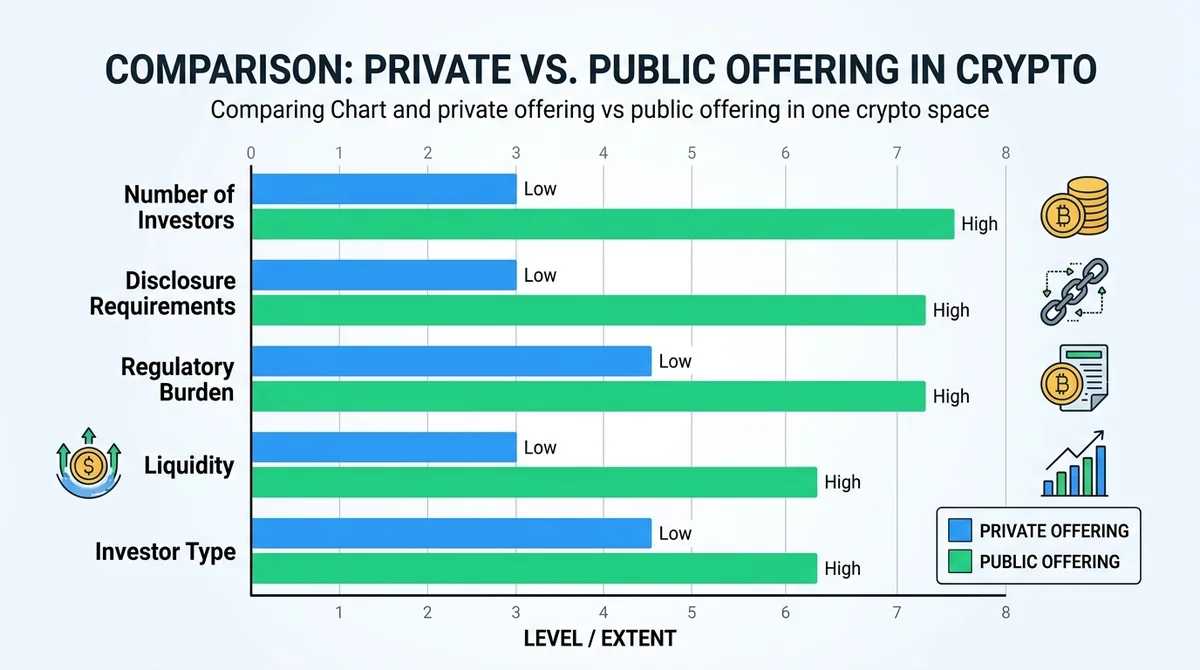
A private offering is a securities or token sale to accredited or selected investors instead of the public. In crypto, it's common for early-stage token sales and equity rounds. Unlike a public offering, there is no general solicitation, fewer investors, and less disclosure. This allows projects to raise funds more quickly and with lower regulatory burden, but it also means less transparency for investors.
#How Does a Private Offering Work?
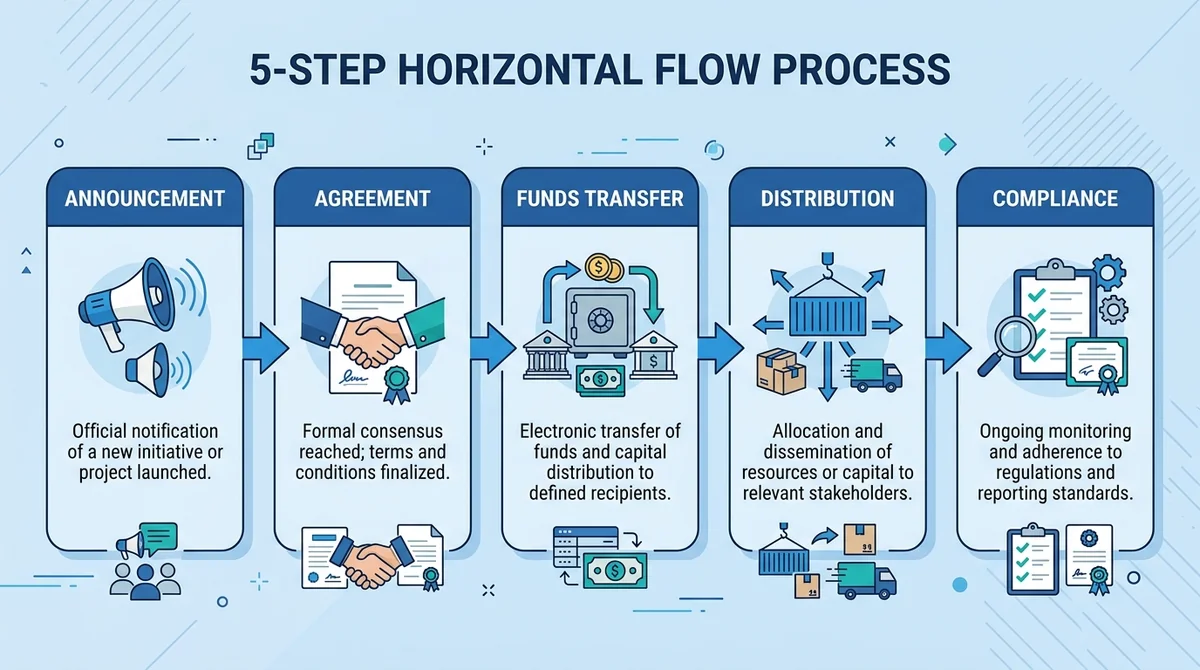
Private offerings work by inviting a limited number of qualified investors to purchase tokens or equity under legal exemptions. The process typically starts with the project announcing the offering, followed by investors signing agreements, transferring funds, and receiving tokens or equity. Often, tokens are locked for a vesting period to prevent immediate selling.
#Who can invest in a private offering?
Investors must meet accreditation criteria, such as income or net worth thresholds. In the US, an accredited investor generally has an annual income over $200,000 ($300,000 with a spouse) or a net worth exceeding $1 million, excluding primary residence. These requirements aim to ensure investors can bear the risk of illiquid, early-stage investments.
#What are the typical steps in a private offering?
- Announcement: The project announces a private sale, often to a select group of investors.
- Agreement: Interested investors sign subscription agreements and provide proof of accreditation.
- Funds transfer: Investors send funds (fiat or crypto) to the project.
- Distribution: Tokens or equity are distributed to investors, often with a lock-up schedule.
- Compliance: The offering is structured under exemptions like Reg D or Reg S, and the project files necessary notices with regulators.
#Private Offering Examples in Crypto
Many blockchain projects conduct private token sales before public ICO/IDO. Early investors in major layer-1 blockchains or DeFi protocols often bought tokens privately at lower valuations. Private placements also occur in crypto exchanges or mining firms before an IPO.
#Token presales and private rounds
Token presales and private rounds are common in crypto. For example, a new DeFi protocol might sell 10% of its token supply to venture capital firms in a private round, with tokens locked for 12 months. This provides initial funding for development while giving early investors a potential discount.
#Pre-IPO equity in crypto companies
Some crypto companies raise equity through private offerings before an IPO. For instance, a crypto exchange might sell preferred shares to institutional investors in a Reg D offering, aiming to later list publicly. These investors get equity with potential upside if the company succeeds, but also face illiquidity until an exit event.
#Why Are Private Offerings Important?
Private offerings are important because they enable early-stage crypto projects to raise capital efficiently while giving selected investors potential early access. They provide funding without the heavy regulatory burden of a public offering, allowing projects to move faster. For investors, private offerings can offer tokens or equity at lower valuations than public sales, but they also carry significant risk.
#Risks and Common Misconceptions About Private Offerings
Private offerings are not risk-free; investors face illiquidity, potential total loss, and regulatory uncertainty, so due diligence is essential.
#Are private offerings always safe?
No. Private offerings are high-risk investments. The project may fail, the token may lose value, and the investment is often illiquid. Lock-up periods prevent selling during volatile early stages, meaning investors may not be able to exit even if the price drops. Regulatory risk also exists if the offering violates securities laws.
#What are the lock-up risks?
Lock-up periods restrict token resale for a set time, often 6-24 months. During this period, investors cannot sell even if the market crashes. This illiquidity is a major risk, as the token may lose most of its value before the lock-up expires. Investors should understand the lock-up schedule before committing funds.
#Related Terms
- Public offering: A sale of securities or tokens to the general public, requiring registration and disclosure.
- Accredited investor: An individual or entity that meets certain income or net worth thresholds, allowing participation in private offerings.
- Token presale: A sale of tokens before the public sale, often at a discount, to early supporters or investors.
- SAFT (Simple Agreement for Future Tokens): A contract used in private token sales where investors provide funds now for tokens to be delivered later.
- Lock-up period: A period after a token sale during which investors are prohibited from selling their tokens.
- Securities exemption: A legal provision that allows a securities offering to avoid full registration requirements, such as Reg D or Reg S.
FAQ
What is a private offering in crypto?
A private offering is a sale of tokens or equity to a restricted group of accredited or selected investors, not the general public, often under legal exemptions.
Who can invest in a private offering?
Typically, only accredited investors who meet income or net worth thresholds can invest in a private offering, though some offerings may allow other qualified investors.
Are private offerings safe?
No, private offerings are high-risk. They involve illiquidity, potential total loss, and regulatory uncertainty, so investors should conduct thorough due diligence.
What is a lock-up period in a private offering?
A lock-up period is a set time after the token sale during which investors cannot sell their tokens, often 6-24 months, to prevent immediate dumping.
How does a private offering differ from a public offering?
A private offering has no general solicitation, fewer investors, and less disclosure, while a public offering is open to the general public and requires full registration.
What are common exemptions for private offerings?
In the US, Reg D (Rule 506b/506c) is common, and Reg S is used for non-US investors. These exemptions reduce registration requirements but impose restrictions on resale.
Want to see the real data for this concept?
After you sign up, you can view live prices, funding rates, and fees for the related assets.
View live prices and fees →