IPO Timing: A Step-by-Step Guide to Choosing the Right Moment
Learn what IPO timing is and why it matters. Our step-by-step guide covers preparation, market analysis, and common mistakes to help you launch successfully.
IPO timing is the strategic selection of the offering date to maximize valuation and investor interest. It involves assessing market conditions, company readiness, and regulatory factors to choose the optimal window for going public. Getting the timing right can mean the difference between a successful debut and a disappointing one.
#Key Takeaways
- IPO timing is the process of choosing the best date to launch an initial public offering.
- Market conditions significantly impact offering price and aftermarket performance.
- Preparation includes financial readiness, strong governance, and a compelling equity story.
- Common mistakes include going public too early or ignoring market cycles.
- Post-IPO monitoring and managing lock-up periods are crucial for long-term success.
#What Is IPO Timing and Why Does It Matter?
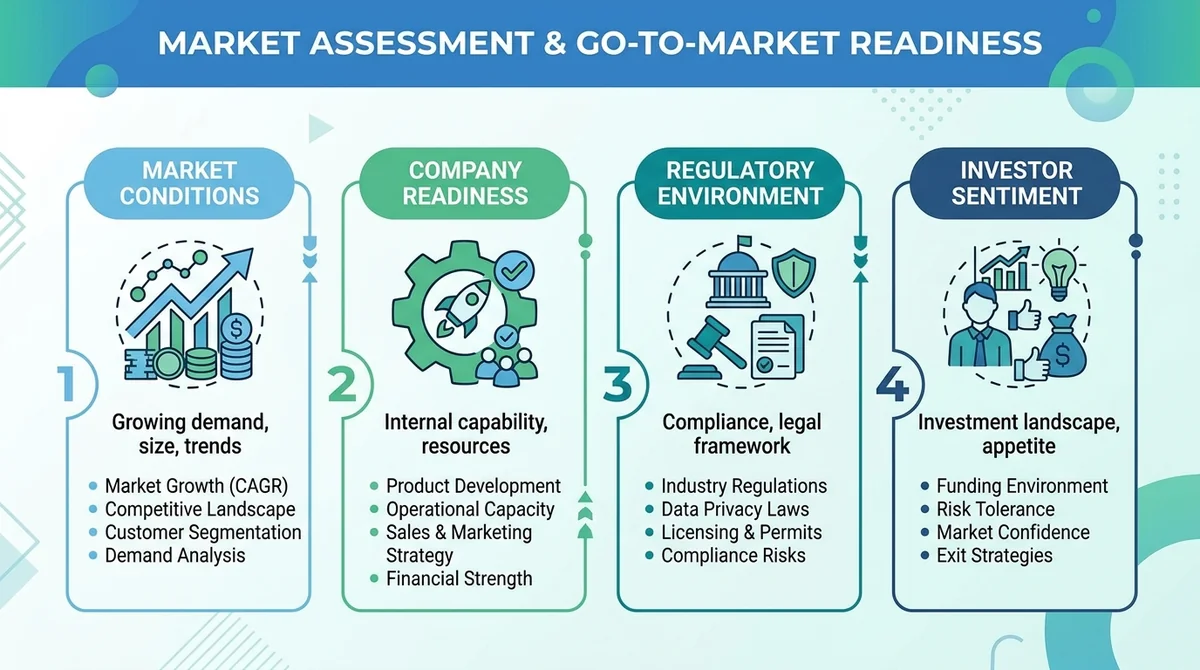
IPO timing is the process of choosing the optimal date to launch an initial public offering. It matters because market conditions can significantly impact the offering price and aftermarket performance. A well-timed IPO can attract strong investor demand and achieve a higher valuation, while a poorly timed one may struggle or even be postponed.
#Definition of IPO timing
IPO timing refers to the strategic selection of when a company goes public. It involves analyzing market trends, investor sentiment, and the company's own readiness. The goal is to launch when demand is high and the economic environment is favorable.
#Why timing affects valuation and investor demand
Market conditions directly influence how investors perceive a new offering. In a bull market, investors are more willing to pay premium prices, leading to higher valuations. Conversely, in a downturn, demand may be weak, forcing the company to lower its offering price or delay the IPO. For example, a company that goes public during a market peak may achieve a high initial valuation but could face a sharp decline if the market corrects soon after.
#Before You Start: Key Prerequisites and Risks
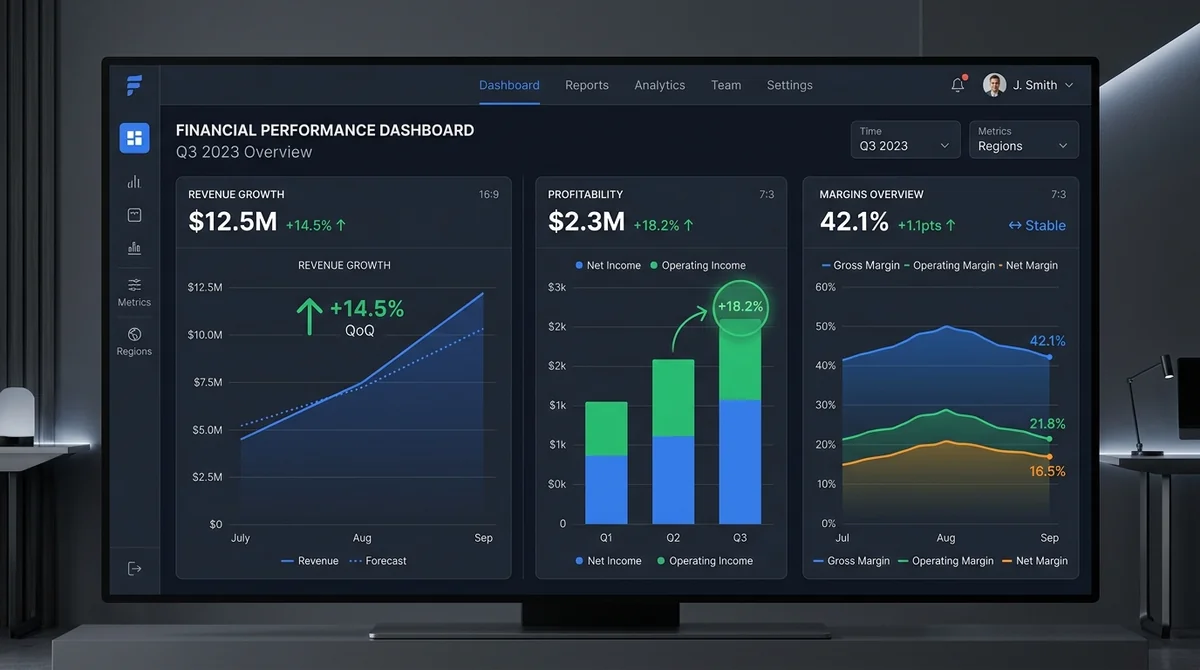
Before considering an IPO, a company must ensure it has solid financials and governance in place, and be aware that external market risks can force postponement. This section outlines the essential prerequisites and potential risks.
#Financial readiness checklist
- Audited financial statements for at least the past two to three years.
- Consistent revenue growth and a clear path to profitability.
- Strong corporate governance with an independent board of directors.
- A compelling equity story that resonates with investors.
- Robust internal controls and financial reporting systems.
#Understanding market and regulatory risks
Market downturns, geopolitical events, and changes in investor sentiment can delay or derail an IPO. Regulatory risks include compliance with securities laws, disclosure requirements, and potential changes in listing rules. Companies must be prepared to navigate these challenges and may need to adjust their timing accordingly.
#Step 1: Prepare Your Company for IPO Timing
Preparation involves ensuring robust financials and a credible management team to withstand public scrutiny. This step focuses on assessing financial health and building a strong leadership team.
#Assess financial health and growth metrics
Review key financial metrics such as revenue growth, profitability, margins, and market position. Investors look for consistent performance and scalability. A company with strong fundamentals is more likely to attract interest even in a less favorable market.
#Build a strong management team and board
A credible management team with a track record of execution is crucial. Strengthen leadership and corporate governance to attract investors. An experienced board can provide strategic guidance and enhance the company's credibility.
#Step 2: Choose the Right Platform and Advisors
Selecting experienced underwriters and the appropriate exchange is crucial for successful IPO execution. This step covers the selection of underwriters and the role of investment banks in timing.
#Selecting underwriters and exchanges
Choose underwriters with sector expertise and strong distribution networks. The exchange listing also matters—different exchanges have different listing requirements and investor bases. For example, tech companies often prefer Nasdaq for its tech-focused investor community.
#Role of investment banks in timing
Investment banks play a key role in gauging market windows and setting the offering price. They provide advice on the optimal timing based on market conditions, comparable valuations, and investor demand. Their research and network can help the company navigate the IPO process smoothly.
#Step 3: Execute the IPO at the Right Moment
Execution requires real-time market analysis to finalize pricing and allocation, maximizing proceeds. This step involves monitoring market indicators and finalizing the offering details.
#Monitoring market indicators
Track volatility indices, sector performance, and investor sentiment. A low-volatility environment with positive sector momentum is generally favorable for an IPO. Conversely, high volatility or negative news can dampen demand.
#Finalizing the offering price and allocation
Price the offering based on demand from institutional investors and comparable company valuations. The allocation process determines how shares are distributed among investors. A well-executed pricing and allocation strategy can maximize proceeds and support a stable aftermarket performance.
#Step 4: Post-IPO Review and Safety Measures
After the IPO, companies must monitor performance and manage share lock-ups to maintain investor confidence. This step covers evaluating aftermarket performance and managing lock-up periods.
#Evaluating aftermarket performance
Assess stock performance against benchmarks and adjust strategy as needed. Monitoring trading volume, price stability, and analyst coverage can provide insights into investor sentiment and the company's long-term prospects.
#Managing lock-up periods and insider selling
Plan for lock-up expirations to avoid negative price pressure. Insider selling after the lock-up period can lead to a temporary drop in stock price. Companies can mitigate this by communicating clearly with investors and potentially staggering insider sales.
#Common Mistakes in IPO Timing
Common mistakes include premature IPOs and neglecting broader market cycles, which can harm long-term valuation. Avoiding these pitfalls is essential for a successful offering.
#Going public too early or too late
Going public before the business model is proven or during a market peak can lead to poor aftermarket performance. Conversely, waiting too long may cause the company to miss favorable market conditions. Timing should be based on both company readiness and market conditions.
#Ignoring market cycles
Failing to consider economic cycles can result in launching during a downturn or just before a correction. Understanding where the market is in its cycle—expansion, peak, contraction, or trough—can help companies choose a more favorable window.
#Safety Tips and Regulatory Considerations
Companies must comply with regulatory frameworks to avoid legal issues and protect investors. This section covers compliance with SEC regulations and avoiding market manipulation.
#Compliance with SEC regulations
Adhere to quiet period rules and disclosure requirements. The quiet period restricts promotional activities before and after the IPO to prevent market manipulation. Accurate and timely disclosure is essential to maintain investor trust.
#Avoiding market manipulation
Ensure fair practices to maintain market integrity. This includes avoiding artificial price inflation, insider trading, and misleading statements. Companies should work closely with legal counsel to ensure all activities are compliant.
FAQ
What is IPO timing?
IPO timing is the strategic selection of the offering date to maximize valuation and investor interest, influenced by market conditions and company readiness.
Why does IPO timing matter?
It matters because market conditions can significantly impact the offering price and aftermarket performance, affecting the company's ability to raise capital and its long-term stock performance.
What are the key prerequisites for an IPO?
Key prerequisites include audited financials, strong governance, a compelling equity story, and a credible management team, along with an understanding of market and regulatory risks.
What are common mistakes in IPO timing?
Common mistakes include going public too early or too late, ignoring market cycles, and failing to monitor market indicators, which can lead to poor aftermarket performance.
How do lock-up periods affect post-IPO performance?
Lock-up periods prevent insiders from selling shares immediately after the IPO; their expiration can lead to increased selling pressure and potential price declines if not managed properly.
What regulatory considerations are important for IPO timing?
Companies must comply with SEC regulations, including quiet period rules and disclosure requirements, and avoid market manipulation to maintain market integrity and investor trust.
Want to see the real data for this concept?
After you sign up, you can view live prices, funding rates, and fees for the related assets.
View live prices and fees →