IPO Allotment: How It Works and How to Check Your Status
Understand IPO allotment and share allocation. Learn how to check your status online, avoid common mistakes, and know what happens after finalization.
#IPO Allotment: How It Works and How to Check Your Status
IPO allotment is the process of distributing shares to investors who applied during an initial public offering. Allotment is based on subscription levels and regulatory guidelines. For oversubscribed IPOs, allotment may be done through a lottery or proportionate basis. This guide explains the meaning, process, and how to check your IPO allotment status online.
Key Takeaways:
- IPO allotment assigns shares to applicants after the IPO closes, based on subscription and regulatory rules.
- You can check allotment status on the registrar's website, stock exchange website, or via your broker.
- Common reasons for not getting allotment include oversubscription, invalid details, and multiple applications.
- After allotment, shares are credited to your demat account, and unsuccessful applicants get refunds or unblocking of funds.
#What Is IPO Allotment and How Does It Work?
IPO allotment is the process of distributing shares to investors who applied during the IPO. After the IPO subscription period closes, the registrar, in coordination with the stock exchange, determines how many shares each applicant receives based on the total demand and the number of shares available. When an IPO is oversubscribed—meaning more investors applied than shares available—the allotment is typically done through a lottery system or on a proportionate basis, following regulatory guidelines set by the market regulator.
For example, if an IPO is subscribed 10 times, an applicant who applied for 10 shares might receive only 1 share, or sometimes none, depending on the lottery outcome. The allotment process ensures fair distribution among all applicants, especially retail investors, who often receive a minimum lot if successful.
#How to Check IPO Allotment Status Online?
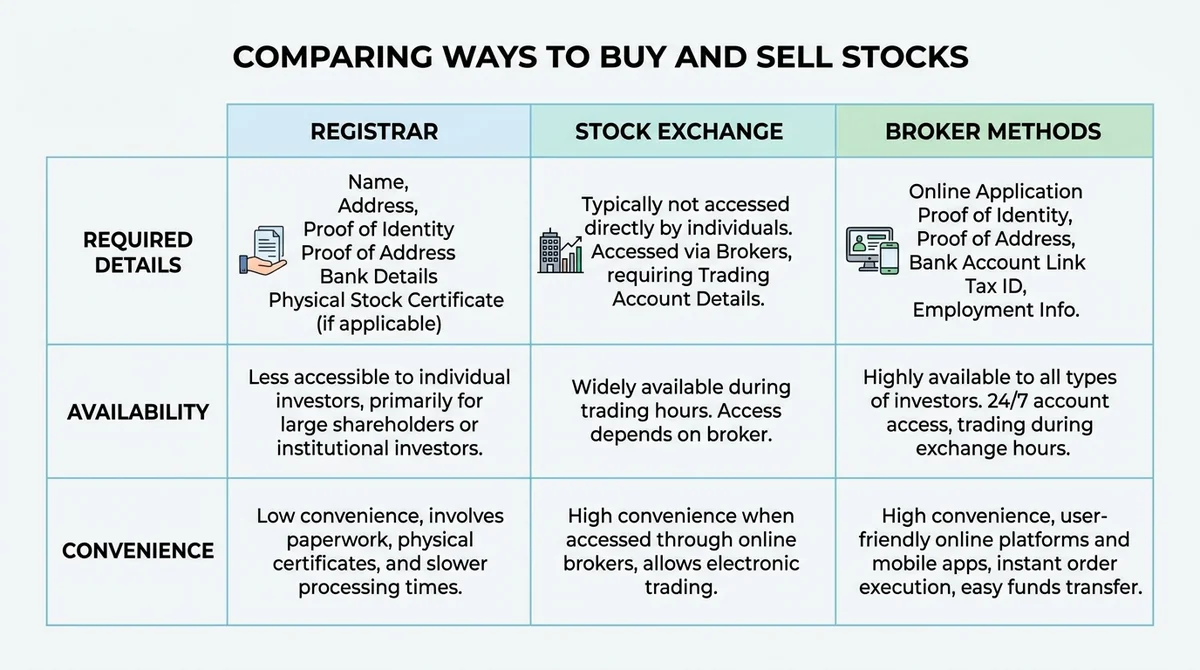
You can check your IPO allotment status by entering your PAN or application number on the registrar's or stock exchange's website. The allotment status is typically available a few days after the IPO closes and before the shares are listed on the exchange.
#Check on Registrar's Website
The most common method is to visit the registrar's website, such as Link Intime or KFintech. On the registrar's portal, select the IPO from the dropdown list, enter your PAN, application number, or DP/client ID, and submit. The system will display whether you have been allotted shares and the quantity.
#Check on Stock Exchange Website
Both NSE and BSE provide IPO allotment status on their websites. You can navigate to the IPO allotment section, select the company, and enter your application details. This method is reliable and does not require you to log in to your broker account.
#Check via Broker or Trading App
Many brokers show IPO allotment status in their app after finalization. You can log in to your trading account and check under the IPO section or order history. This is convenient if you applied through the same broker.
#What Are the Common Reasons for Not Getting IPO Allotment?
Not getting an IPO allotment is common, especially for popular IPOs. The main reasons include oversubscription, invalid application details, and multiple applications from the same PAN.
#Oversubscription
When an IPO is heavily oversubscribed, the chance of allotment decreases significantly. For instance, if an IPO is subscribed 50 times, the probability of receiving shares in the retail category may be very low. This is a matter of luck in the lottery system, not an error on your part.
#Invalid Application Details
Errors in your PAN, DP ID, bank details, or application number can lead to rejection. Even a small mismatch can cause your application to be disqualified. Always double-check your details before submitting.
#Multiple Applications
Submitting multiple applications from the same PAN is not allowed and will result in rejection of all applications. This rule is enforced to prevent manipulation and ensure fair allotment.
#What Happens After IPO Allotment Is Finalized?
Once the IPO allotment is finalized, the shares are credited to the demat account of successful applicants before the listing date. For non-allottees, the application amount is unblocked or refunded. The shares are then listed on the stock exchange on the listing date, and trading begins.
If you are allotted shares, you will see them in your demat account, usually one or two days before the listing. The amount blocked in your bank account for the application is debited only for the allotted shares. For unsuccessful applicants, the entire blocked amount is released, typically within a few working days.
#How to Increase Your Chances of IPO Allotment
While IPO allotment is largely based on luck in oversubscribed issues, there are a few practical steps you can take to improve your odds:
- Apply through multiple demat accounts of family members, as each PAN is considered separately.
- Avoid last-minute applications, as technical glitches can cause rejection.
- Ensure your application details are accurate and match your PAN and bank records.
- Apply for IPOs with lower subscription levels, where the probability of allotment is higher.
These steps do not guarantee allotment but can help you avoid common pitfalls.
#IPO Allotment vs. Listing: What's the Difference?
IPO allotment is the process of assigning shares to applicants after the IPO closes. Listing is the event when the shares become available for trading on the stock exchange. Allotment happens before listing, and the allotment status is usually declared 3-5 working days after the IPO closes. The listing date is set by the exchange and can be a few days after allotment. Understanding this timeline helps you plan your investment strategy.
#Key Terms Related to IPO Allotment
- Registrar: An entity appointed by the company to process IPO applications and allot shares.
- Oversubscription: When the total demand for shares exceeds the number of shares offered.
- Lot Size: The minimum number of shares an investor must apply for in an IPO.
- Demat Account: An account where shares are held in electronic form.
- PAN: Permanent Account Number, a unique identifier for tax purposes in India.
These terms are essential for understanding the IPO process and your allotment status.
FAQ
What is IPO allotment?
IPO allotment is the process of distributing shares to investors who applied during the IPO, based on subscription levels and regulatory guidelines.
How can I check my IPO allotment status?
You can check your IPO allotment status on the registrar's website, stock exchange website, or via your broker app by entering your PAN or application number.
Why did I not get IPO allotment?
Common reasons include oversubscription, invalid application details, or multiple applications from the same PAN, which are rejected.
What happens after IPO allotment is finalized?
Allotted shares are credited to your demat account, and unsuccessful applicants receive a refund or unblocking of funds before the listing date.
Is IPO allotment guaranteed?
No, IPO allotment is not guaranteed, especially in oversubscribed IPOs where shares are allotted through a lottery or proportionate basis.
Want to see the real data for this concept?
After you sign up, you can view live prices, funding rates, and fees for the related assets.
View live prices and fees →