How to Invest in OpenAI Pre-IPO: A Step-by-Step Guide
Discover how to invest in OpenAI pre-IPO as an accredited investor. Explore platform options, understand risks, and find alternatives to start today.
#How to Invest in OpenAI Pre-IPO: A Step-by-Step Guide
OpenAI is still a private company, but accredited investors can buy pre-IPO shares through secondary platforms like Forge or EquityZen. This guide explains eligibility, step-by-step purchase, risks, and indirect alternatives for retail investors.
Key Takeaways
- OpenAI is private; its shares trade only on secondary markets or via primary rounds.
- As of August 2026, OpenAI's Forge Price was $721.85 at an $894.33 billion valuation.
- OpenAI filed a confidential S-1 in June 2026, but an IPO may be delayed until 2027.
- Pre-IPO investing is generally limited to accredited investors meeting SEC thresholds.
- Retail investors can gain indirect exposure through Microsoft or AI-focused funds.
#What Does Pre-IPO Mean for OpenAI?
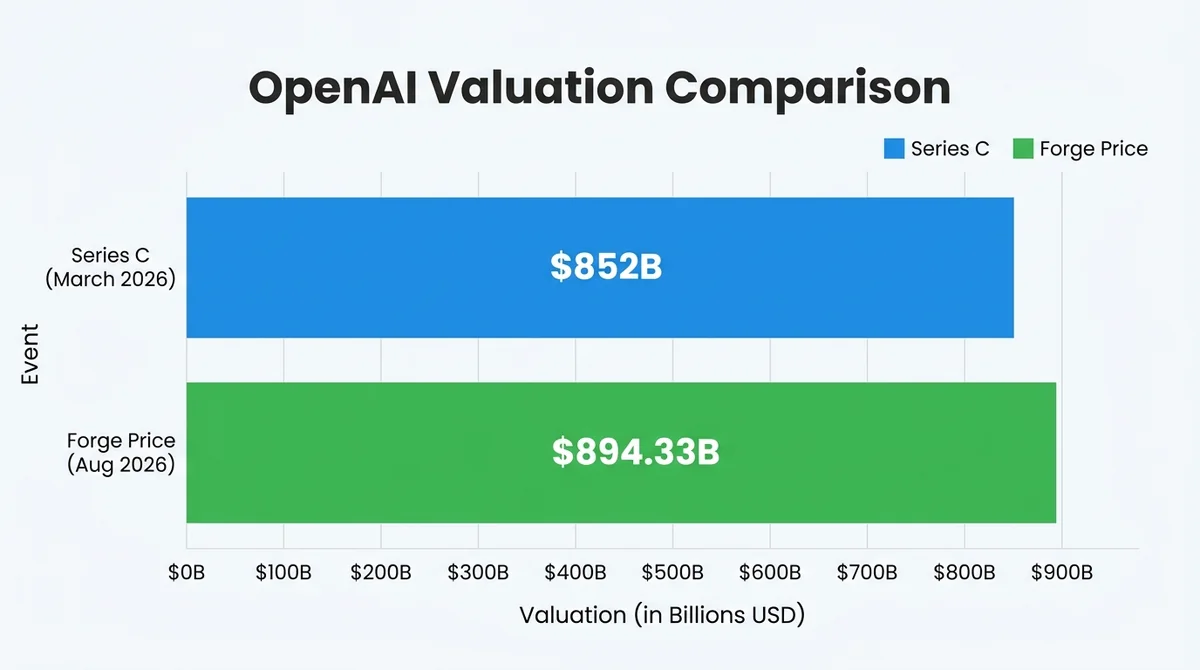
OpenAI is not publicly traded. Its shares do not trade on public exchanges like NASDAQ or NYSE. Instead, pre-IPO shares are sold through private secondary markets or primary funding rounds. As of August 28, 2026, OpenAI's Forge Price was $721.85 at an $894.33 billion valuation, according to Forge. The company raised $122 billion at an $852 billion valuation in its Series C in March 2026. In June 2026, OpenAI confirmed it confidentially filed an S-1 to go public, but reports suggest the IPO may be delayed until 2027. Pre-IPO investing means buying shares from existing shareholders or through special-purpose vehicles before any public listing.
#Who Can Invest in OpenAI Pre-IPO?
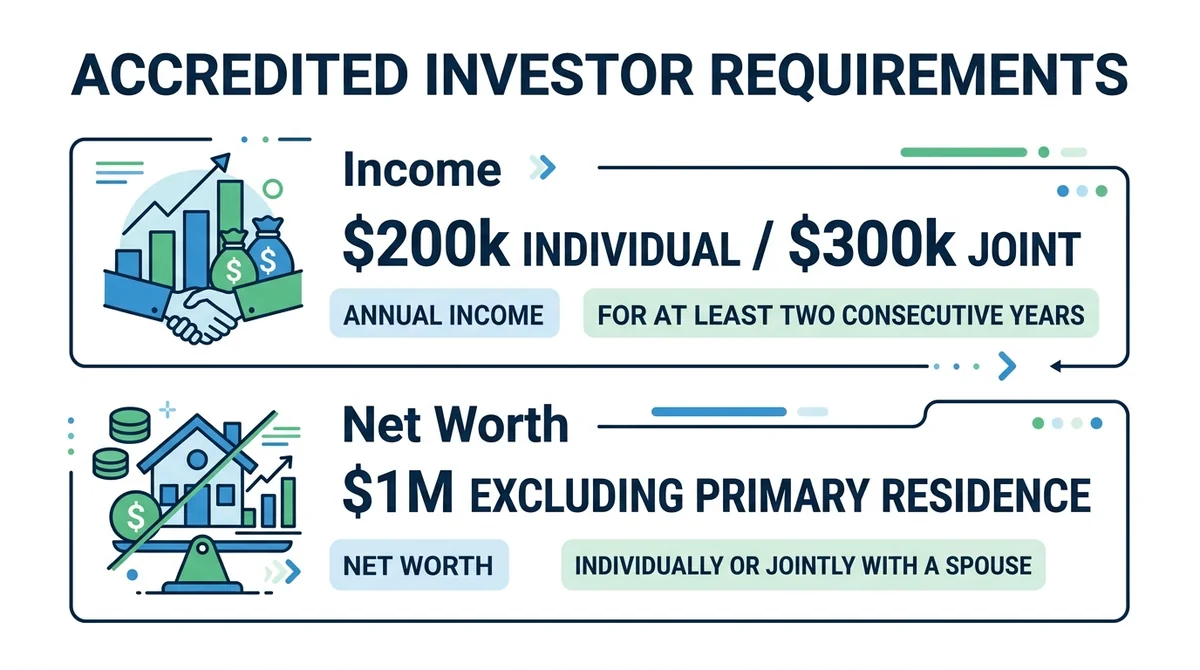
Direct investment in OpenAI pre-IPO is generally restricted to accredited investors. An accredited investor is an individual who meets SEC income or net worth thresholds: either $200,000 annual income ($300,000 with spouse) for the last two years, or a net worth exceeding $1 million excluding primary residence. Retail investors generally cannot directly buy pre-IPO shares. Some platforms may allow non-accredited investors through funds or special structures, but this is rare. Always verify your status before attempting to invest.
#How to Invest in OpenAI Pre-IPO Step by Step
Follow these steps to potentially invest in OpenAI pre-IPO shares:
- Verify your accredited investor status: Check SEC guidelines to confirm you meet income or net worth requirements.
- Choose a pre-IPO investing platform: Compare platforms like Forge, EquityZen, or IPO CLUB for available deals. Forge is a well-known secondary marketplace for private company shares.
- Complete KYC/AML and accreditation verification: Submit required documents to prove your identity and accredited status.
- Review deal terms: Carefully read fees, minimum investment amounts, and lock-up periods. Pre-IPO shares often have restrictions on resale.
- Fund your account and place an order: Transfer funds and purchase available shares. Share availability is limited and may require waiting.
- Monitor your investment and plan for exit: Understand that shares are illiquid until an IPO or other liquidity event. Plan for long holding periods.
#What Are the Risks of Investing in OpenAI Pre-IPO?
Pre-IPO investing carries significant risks. Key risks include:
- Illiquidity and lock-up periods: Pre-IPO shares cannot be easily sold before a liquidity event. You may be locked in for years.
- Valuation uncertainty: Valuations are based on private transactions and may not reflect future public market prices. The current $894.33 billion valuation could drop.
- No guarantee of IPO: There is no guarantee OpenAI will IPO; it could be delayed or cancelled. Reports suggest a possible delay to 2027.
- Platform and counterparty risks: Secondary platforms may have fees, limited share availability, and counterparty risk. Only use reputable, SEC-registered platforms.
- Total loss potential: Investors could lose their entire investment if the company fails or valuation drops. Only invest money you can afford to lose.
#Alternatives to Direct Pre-IPO Investment in OpenAI
If you are not an accredited investor, consider these indirect options:
- Invest in companies that hold OpenAI stakes: Microsoft has invested over $13 billion in OpenAI, offering indirect exposure. Buying Microsoft stock gives you a stake in OpenAI's success.
- AI-focused ETFs or mutual funds: Some ETFs and funds include private AI companies or related public equities. Research funds with AI holdings.
- Wait for the public IPO: Waiting for the IPO allows investing at a public market price with more liquidity. You avoid lock-up periods and valuation uncertainty.
#Common Mistakes to Avoid When Investing in OpenAI Pre-IPO
Avoid these common pitfalls:
- Ignoring liquidity constraints: Do not invest money you may need in the short term. Pre-IPO shares are illiquid.
- Overpaying based on hype: Be cautious of inflated valuations driven by AI hype. The current high valuation may not be justified.
- Not verifying platform legitimacy: Only use reputable, SEC-registered platforms. Check reviews and regulatory status.
- Failing to diversify: Diversify your portfolio to reduce single-company risk. Do not put all your capital into one private investment.
- Not reading deal documents: Read all deal documents carefully before committing. Understand fees, restrictions, and exit options.
FAQ
Is OpenAI publicly traded?
No, OpenAI is a private company. Its shares do not trade on public exchanges. Pre-IPO shares are available only through private secondary markets or primary funding rounds.
Can retail investors buy OpenAI pre-IPO shares?
Generally, no. Direct pre-IPO investment is limited to accredited investors who meet SEC income or net worth thresholds. Retail investors can gain indirect exposure through public companies like Microsoft or AI-focused funds.
What is the current valuation of OpenAI?
As of August 28, 2026, OpenAI's Forge Price was $721.85 at an $894.33 billion valuation. The company raised $122 billion at an $852 billion valuation in its Series C in March 2026.
When is OpenAI expected to go public?
OpenAI filed a confidential S-1 in June 2026, but reports suggest an IPO may be delayed until 2027. There is no confirmed IPO date.
What are the risks of investing in OpenAI pre-IPO?
Key risks include illiquidity, valuation uncertainty, no guarantee of IPO, platform and counterparty risks, and potential total loss of investment.
Want to see the real data for this concept?
After you sign up, you can view live prices, funding rates, and fees for the related assets.
View live prices and fees →