What Does a Contract Specification Include?
A contract specification is a trading platform's standardized definition of a contract, covering the underlying asset, contract size, quotation and tick size, perpetual futures leverage and margin, expiry and settlement.
#What Does a Contract Specification Include? The Essential Contract Rules Checklist for Beginners
A contract specification typically includes five types of elements: the underlying asset, the contract unit/face value, the quotation method and minimum tick size, perpetual futures leverage and margin, and the expiry date and settlement method. It is the trading platform's standardized definition of a contract, telling you what the contract trades, how it is quoted, how much margin is required, and when it is settled.
#What Exactly Is a Contract Specification?
A contract specification is the platform's standardized definition of a contract. It is a platform rule and is subject to the official published version.
Specifications determine quotation, order placement, and settlement. Placing orders without reading the specs makes it easy to misjudge costs and risks.
Analogy: A contract specification is like the "spec sheet" on product packaging—net contents, ingredients, shelf life. Read it before you buy, and you know what you're getting.
#Who Sets Contract Specifications, and Where Can You Find Them?
They are set by the trading platform. They are usually published on the platform's official website, on the "Contract Info" or "Trading Rules" page. The exact location varies by platform; refer to that platform's official published version.
#Are Contract Specifications and Contract Terms the Same Thing?
Not exactly. Terms lean toward legal agreements, while specifications lean toward trading parameters. Beginners should focus on the specifications.
#What Does a Contract Specification Usually Include?
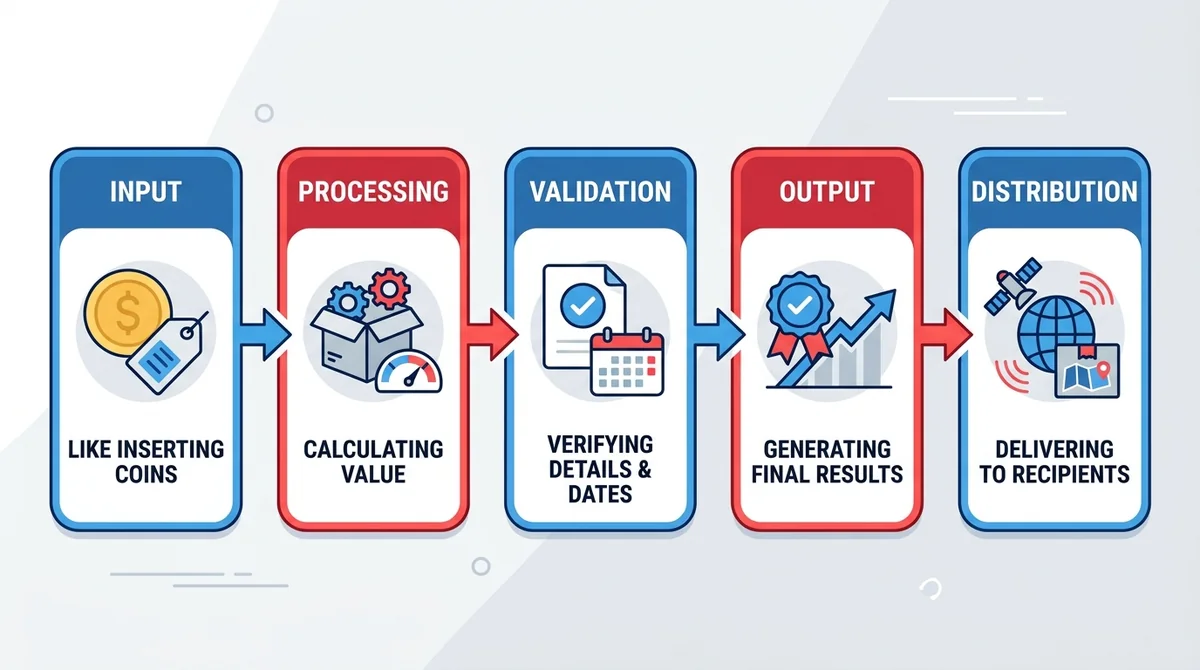
A contract's specification typically covers the following types of elements, which together determine how the contract is traded and settled.
| Element | Meaning |
|---|---|
| Underlying asset | The object the contract is tied to, such as Bitcoin |
| Contract unit/face value | How much of the underlying one contract represents |
| Quotation method and minimum tick size | How the price is expressed and how much each tick moves |
| Perpetual futures leverage and margin | How much capital is needed to hold a position |
| Expiry date and settlement method | When and how the contract is settled |
Analogy: The underlying asset is "what you're buying," the contract unit is "how big one contract is," the quotation method is "how it's priced," perpetual futures leverage and margin are "how much down payment," and expiry and settlement are "when it's delivered."
#What Do the Underlying Asset and Contract Unit Mean?
The underlying asset is the object the contract is tied to. The contract unit is how much of the underlying one contract represents.
#What Are the Quotation Method and Minimum Tick Size For?
The quotation method determines how the price is expressed. The minimum tick size determines the smallest increment by which the price moves.
#What Do the Perpetual Futures Leverage and Margin Rules Include?
They usually include the available perpetual futures leverage multiple, the initial margin ratio, and the maintenance margin requirement. These directly affect how large a position you can open. The specific multiples and ratios vary by platform and contract; refer to the official published version.
#How Are the Expiry Date and Settlement Method Defined?
The expiry date specifies when the contract is settled. Settlement methods are generally divided into cash settlement and physical delivery. Perpetual contracts have no fixed expiry date and stay linked to the spot price through mechanisms such as how does perpetual futures funding rate work.
#Why Are Contract Specifications Important for Beginners?
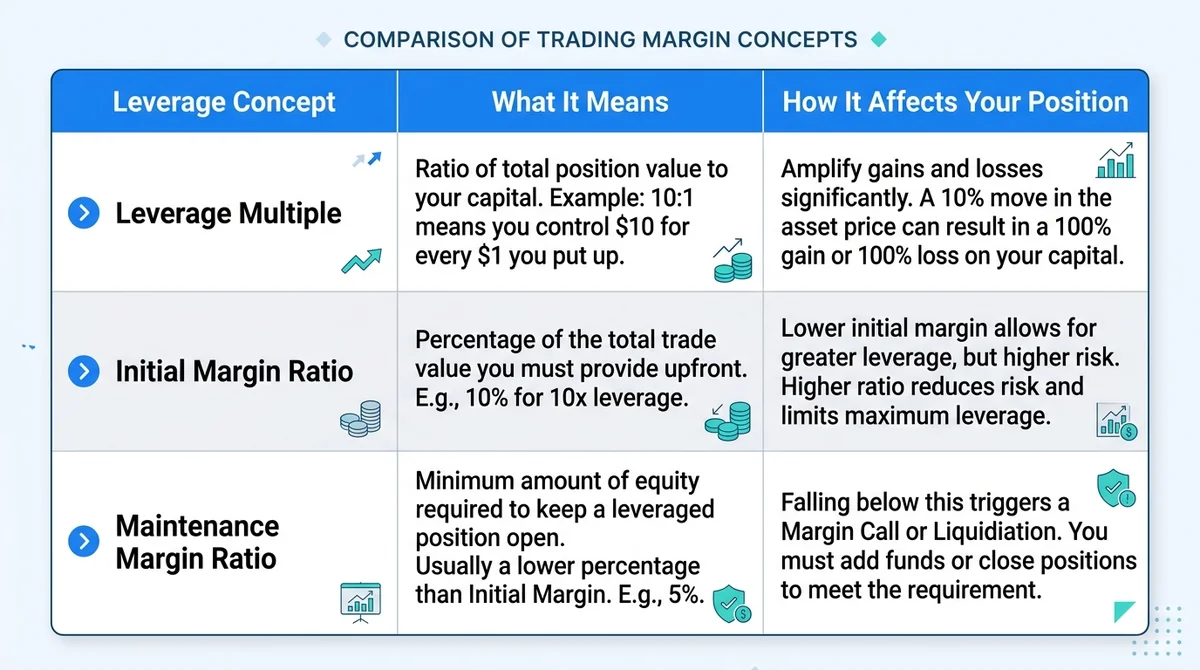
Contract specifications directly determine margin usage and the basis for profit and loss calculation, making them the first reference for beginners assessing costs and risks. Contracts with the same name may have different specifications on different platforms; without reading the specs, it is easy to mistake "one contract" for "one coin" and misjudge the risk.
Specifications also determine margin usage and the basis for profit and loss calculation. Contracts with the same name may have different specifications on different platforms.
Analogy: It's like buying shoes without checking the size chart—the same "size 42" can differ by half a size across brands.
#How Do Specifications Affect Margin and Profit/Loss Calculation?
Margin is usually calculated as the contract value multiplied by the margin ratio. With different contract units, the same price movement produces different profit and loss.
#What Misunderstandings Can Different Specifications Cause?
Contracts with the same name may have different face values and perpetual futures leverage caps on different platforms. Copying experience from elsewhere makes it easy to miscalculate.
#What Risks Should You Watch for When Checking Contract Specifications?
Perpetual futures leverage magnifies both profits and losses, so you must first confirm the margin rules and liquidation conditions when checking specifications. The platform may also adjust specifications, so watch for announcements and always rely on the official published version rather than secondhand information.
Perpetual futures leverage magnifies profit and loss, so confirm the margin rules first. The platform may adjust specifications, so watch for announcements.
⚠️ Digital asset contract trading carries relatively high risk. This article explains concepts only and does not constitute investment advice.
#Why Do Perpetual Futures Leverage and Margin Rules Need Extra Confirmation?
The higher the perpetual futures leverage, the stricter the maintenance margin requirement usually is, and a small price move may trigger liquidation.
#What Impact Do Specification Adjustments Have?
The platform may adjust the minimum tick size or margin ratio. After an adjustment, existing orders may be affected, so check announcements promptly.
Further reading: to understand how margin is calculated, see the margin guide; to compare differences between contract types, refer to the perpetual vs. spot comparison. This article explains concepts only; when you're ready to try it out, you can check out the live trading tools on the main MSX site.
#FAQ
#What does a contract specification include?
It usually includes the underlying asset, the contract unit or face value, the quotation method and minimum tick size, the perpetual futures leverage and margin requirements, and the expiry date and settlement method. These elements together determine how the contract is traded and settled.
#Who sets contract specifications, and where can you find them?
They are set by the trading platform and are platform rules. They are generally published on the platform's official website, on the "Contract Info" or "Trading Rules" page; the exact location is subject to that platform's latest official announcement.
#Why should beginners read contract specifications first?
Specifications determine margin usage and the basis for profit and loss calculation. Contracts with the same name may have different specifications on different platforms; without reading the specs first, it is easy to misjudge costs and risks.
#Are contract specifications and contract terms the same thing?
Not exactly. Contract terms lean toward legal agreements, while contract specifications lean toward trading parameters such as contract unit, quotation method, and margin ratio. The distinction is simple: if it directly changes order parameters and the profit/loss calculation, look at the specifications; if it involves the rights and obligations of both parties, look at the terms. Beginners should focus on the specifications.
#What impact does a platform adjusting contract specifications have?
It may affect the minimum tick size, margin ratio, and more, which in turn affects existing orders and positions. The rule of thumb is: after an announcement is published, re-check the price, quantity, and margin parameters of your existing orders, subject to the official published version.
#Do perpetual contracts have an expiry date?
No, they have no fixed expiry date. Perpetual contracts stay linked to the spot price through mechanisms such as how does perpetual futures funding rate work, so when checking specifications you should focus on confirming the funding rate and margin rules rather than the expiry date.
FAQ
What does a contract specification include?
It usually includes the underlying asset, the contract unit or face value, the quotation method and minimum tick size, the perpetual futures leverage and margin requirements, and the expiry date and settlement method. These elements together determine how the contract is traded and settled.
Who sets contract specifications, and where can you find them?
They are set by the trading platform and are platform rules. They are generally published on the platform's official website, on the "Contract Info" or "Trading Rules" page; the exact location is subject to that platform's latest official announcement.
Why should beginners read contract specifications first?
Specifications determine margin usage and the basis for profit and loss calculation. Contracts with the same name may have different specifications on different platforms; without reading the specs first, it is easy to misjudge costs and risks.
Are contract specifications and contract terms the same thing?
Not exactly. Contract terms lean toward legal agreements, while contract specifications lean toward trading parameters such as contract unit, quotation method, and margin ratio. Beginners should focus on the specifications.
What impact does a platform adjusting contract specifications have?
It may affect the minimum tick size, margin ratio, and more, which in turn affects existing orders and positions. Watch for platform announcements and rely on the official published version.
Want to see the real data for this concept?
After you sign up, you can view live prices, funding rates, and fees for the related assets.
View live prices and fees →