What Is a Trading Position
A trading position is the quantity and direction of an asset you currently hold. This guide explains long, short, position size, and position management in plain language to help you control risk.
A trading position is the quantity and direction of an asset you currently hold. For example, if you buy 1 Bitcoin, you have a long position of 1 Bitcoin.
#What Is a Trading Position?
A trading position is your actual exposure to an asset. It has two components: quantity and direction.
Quantity is how much you hold. Direction is whether you are bullish or bearish.
What is the difference between a trading position and holding an asset?
Holding an asset is the result; a trading position is the process. After you buy Bitcoin, you hold Bitcoin and simultaneously establish a long position. The position fluctuates in profit and loss as the price moves.
Why do you need to understand trading positions?
Without understanding positions, you cannot control risk. If your position is too large, a single price swing can wipe out most of your capital.
#What Is the Difference Between Long and Short Positions?
A long position is a position you buy and hold in anticipation of a price increase. You buy Bitcoin hoping to sell it later at a higher price for a profit.
A short position is a position you sell in anticipation of a price decline. In contract trading, you can borrow an asset and sell it first, then buy it back later at a lower price to return it, profiting from the difference.
Long and short are trades in opposite directions.
#What Does Position Size Mean?
Position size refers to the proportion of your total investment capital that is allocated to a position. For example, if you have $10,000 and spend $2,000 to buy Bitcoin, your position size is 20%.
How is position size calculated?
Position size = Position value ÷ Total capital × 100%.
Why is position size important?
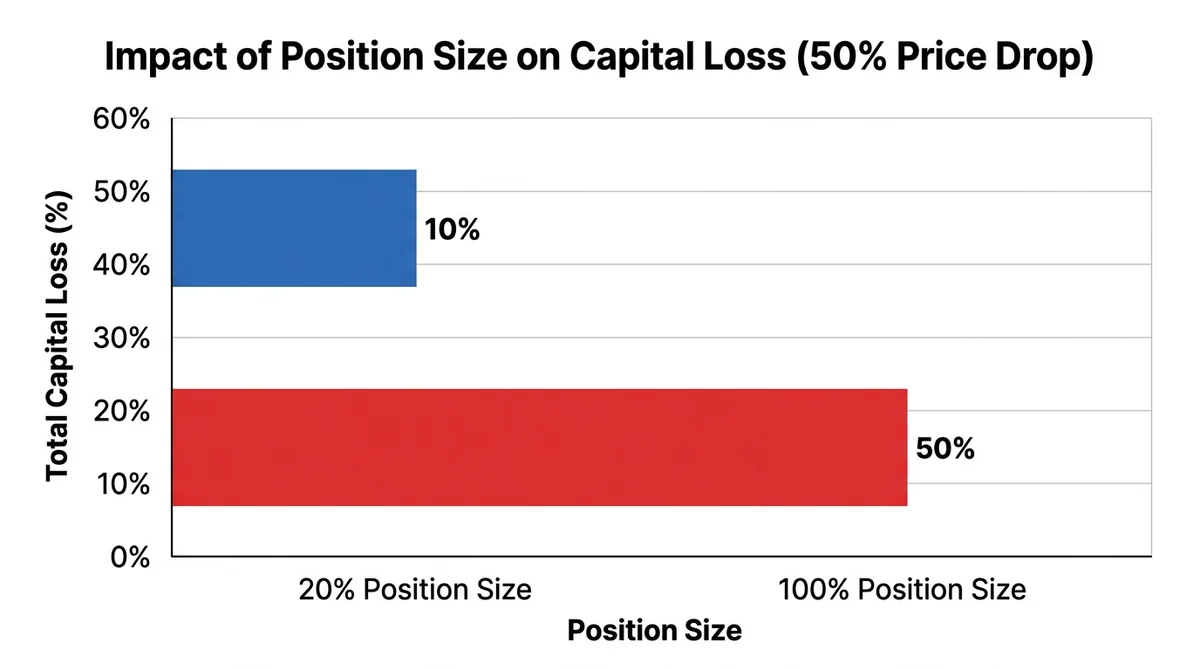
The larger the position, the greater the risk. If a 20% position loses 50%, your total capital only loses 10%. But if a full position loses 50%, your total capital loses 50%.
#What Is Position Management?
Position management is a strategy of controlling risk and optimizing returns by adjusting the size and proportion of your holdings.
What are common position management methods?
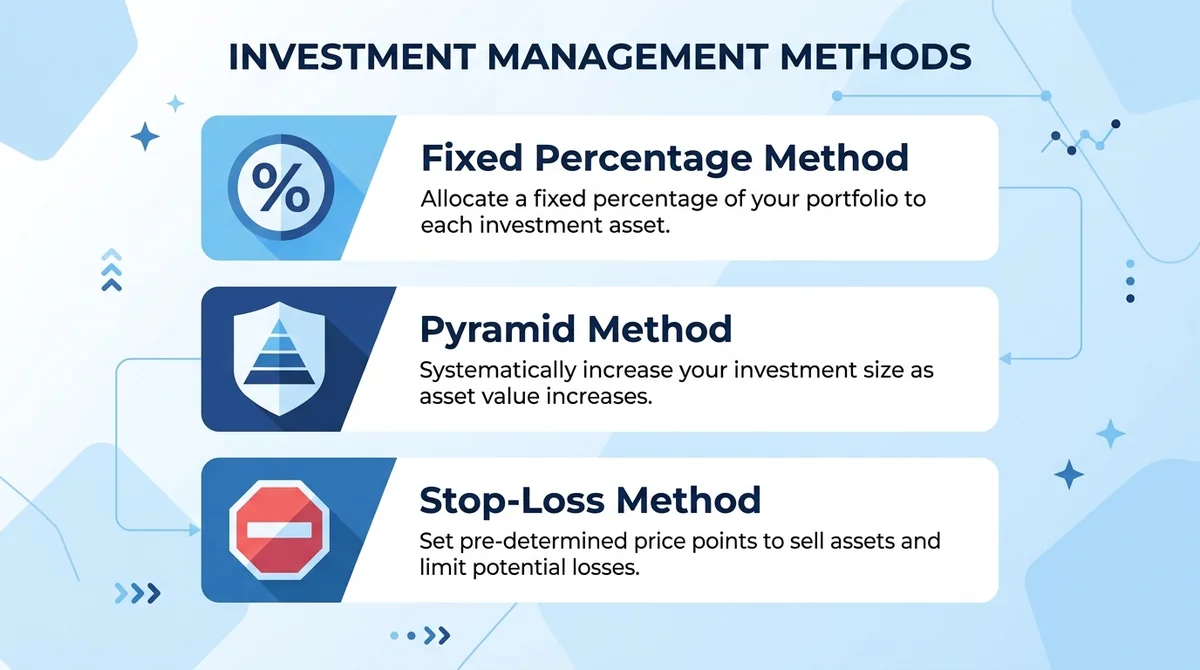
- Fixed percentage method: Open positions using a fixed percentage of total capital each time, such as 10%.
- Pyramid method: Add to positions gradually after profits, but with decreasing amounts each time.
- Stop-loss method: Set a maximum loss limit and close the position immediately when triggered.
How can beginners practice good position management?
- Start with a small position, such as 5%-10% of total capital.
- Keep each loss within 1%-2% of total capital.
- Do not blindly increase position size just because of profits.
#What Are Common Risks of Trading Positions?
What are the risks of an oversized position?
When a position is too large, even a small adverse price move can cause huge losses. It may trigger liquidation and lose all margin.
How can you avoid position risks?
- Set stop-loss orders to limit per-trade losses.
- Diversify investments and avoid concentrating capital in a single asset.
- Regularly review positions and adjust according to market changes.
Digital assets are extremely volatile, and position management is the first lesson for survival. This article only covers concepts; when you are ready to practice, you can check the live trading tools on the main site MSX.
#FAQ
Q: Is a trading position the same as open interest? A: No. A trading position is your personal holding, while open interest is the total number of outstanding contracts in the entire market.
Q: What position size should beginners use? A: It is recommended to start with 5%-10% of total capital and keep each loss within 1%-2% of total capital.
Q: How does a short position make money? A: Borrow an asset and sell it first, then buy it back at a lower price to return it, profiting from the difference. But if the price rises, you will lose.
Q: Can position management guarantee profits? A: No. Position management can only control risk; it cannot eliminate losses caused by market volatility.
FAQ
Is a trading position the same as open interest?
No. A trading position is your personal holding, while open interest is the total number of outstanding contracts in the entire market.
What position size should beginners use?
It is recommended to start with 5%-10% of total capital and keep each loss within 1%-2% of total capital.
How does a short position make money?
Borrow an asset and sell it first, then buy it back at a lower price to return it, profiting from the difference. But if the price rises, you will lose.
Can position management guarantee profits?
No. Position management can only control risk; it cannot eliminate losses caused by market volatility.
Want to see the real data for this concept?
After you sign up, you can view live prices, funding rates, and fees for the related assets.
View live prices and fees →