Concept Comparisons
Spot and perpetual futures, tokenized stocks and real stocks — what is the difference? These side-by-side guides explain the concepts people confuse most.
Popular Articles

Tokenized Gold vs Physical Gold: Differences and Beginner's Guide (2026)
Tokenized gold is a digital certificate on blockchain representing physical gold, while physical gold is bars, coins, etc. Differences in holding, trading, and trust. Beginner's guide.
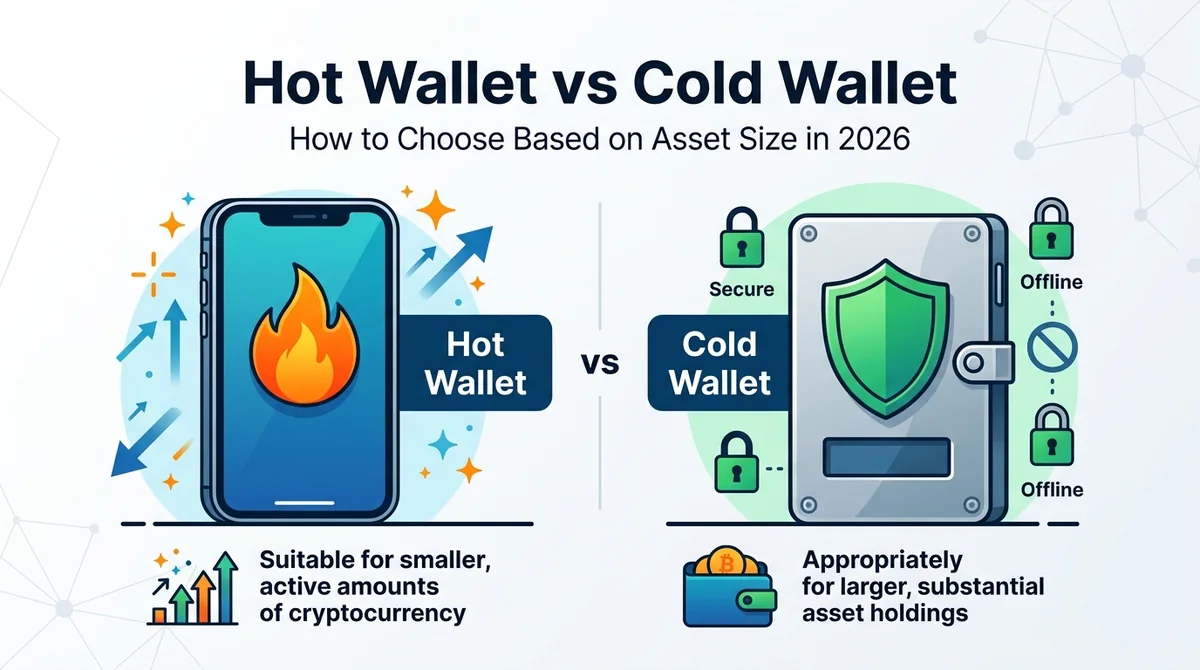
Hot Wallet vs Cold Wallet: How to Choose Based on Asset Size in 2026? (Detailed Differences)
Hot wallets for small daily use; cold wallets for large long-term storage. Key difference: whether private keys touch the internet. Choose by asset size.
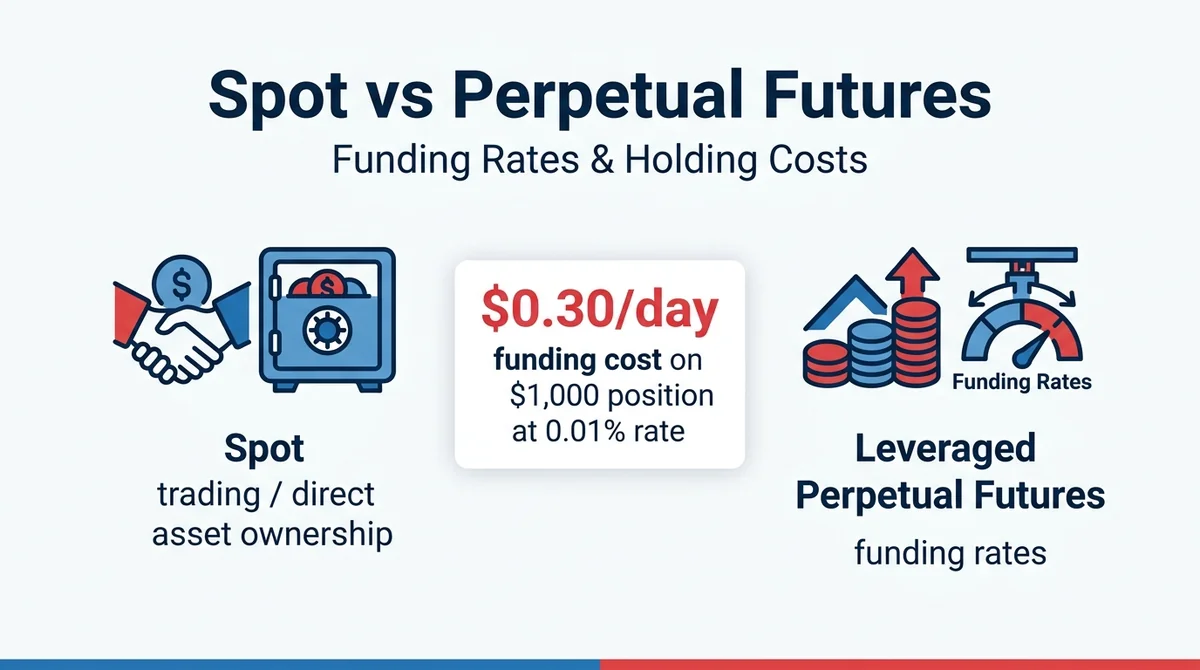
Spot vs Perpetual Futures: 2026 In-Depth Comparison of Funding Rates and Holding Costs
Spot vs perpetual futures: spot holds assets, no liquidation risk; perpetual futures are leveraged, no expiry, funding rate every 8h tracks spot.
Crypto Margin vs Stock Margin: A Beginner's Comparison (2026)
Crypto margin uses crypto assets as collateral; stock margin borrows from a broker. Compare margin, leverage, hours, collateral, and risks for beginners.
Spot Trading vs Perpetual Futures: A Beginner's Guide to the Differences
Learn the key differences between spot trading and perpetual futures, including long/short, how leverage amplifies P&L, and key risks for beginners.
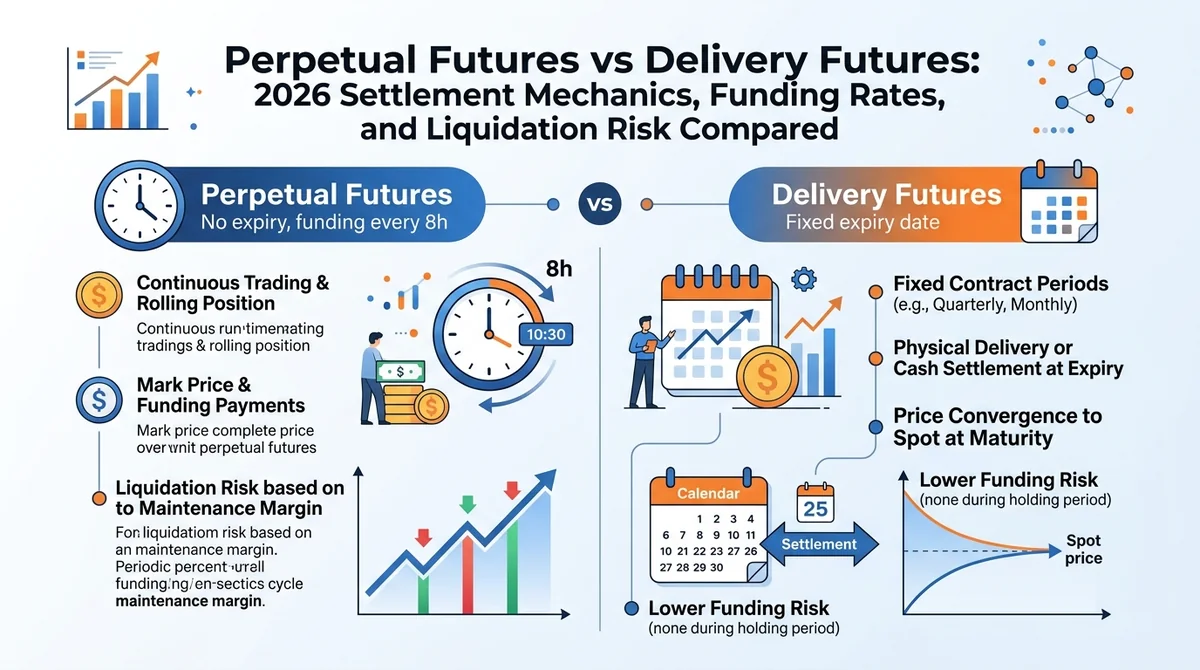
Perpetual Futures vs Delivery Futures: 2026 Settlement Mechanics, Funding Rates, and Liquidation Risk Compared
Perpetual futures have no expiry and use funding rates to anchor spot; delivery futures settle on expiry. Both have leverage and liquidation risk in 2026.
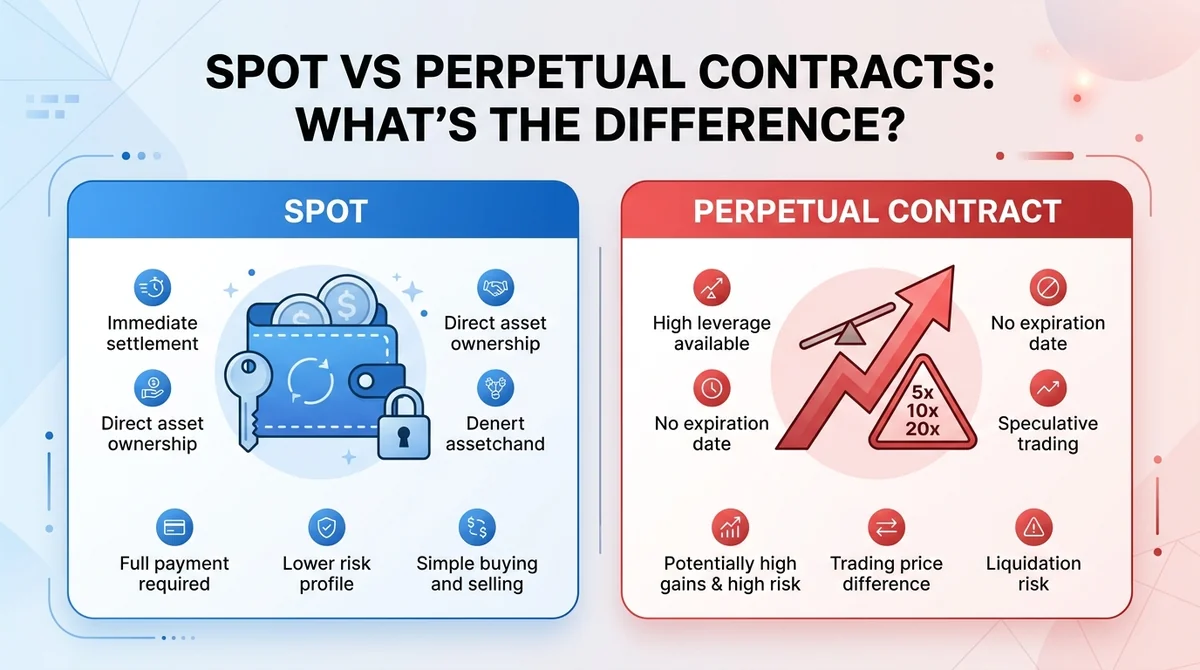
Spot vs Perpetual Contracts: What's the Difference? 2026 Beginner's Guide to Fees, Leverage & Liquidation Risk
Spot = holding assets. Perpetual = leveraged derivative with long/short, funding fees & liquidation risk. MSX: spot 0 fees, maker 0.02%, taker 0.045%. 2026
Bitcoin Mining Rigs Tested Across All Price Points: From Tens of Dollars to Professional ASICs
Based on 6 years of testing, compare real returns and risks of desktop, lottery miners, and ASICs to help decide if Bitcoin mining is worth it.